After childbirth, attention naturally turns to the newborn, but the mother’s recovery needs care too. Physical healing, bleeding, pain, breastfeeding, sleep, emotional wellbeing and contraception are all things that may need discussion in the weeks and months after delivery. Good postnatal care gives you the chance to check your postpartum recovery, raise symptoms and plan your health going forward.
This guide to postnatal care in Sharjah explains what to expect, which changes are common, which are not, and when to seek help. If you would like to arrange a visit, you can book a postnatal care appointment in Sharjah with ESMC.
Table of Contents
What Is Postnatal Care?
Postnatal, or postpartum, care focuses on the mother’s health after childbirth. Depending on your needs, it may include assessment of:
- physical recovery
- blood pressure and other maternal health concerns
- postpartum bleeding
- wound recovery, where applicable
- breastfeeding concerns
- pelvic-floor symptoms
- emotional wellbeing
- contraception and family planning
- recovery and return to normal activity
Not every woman needs every assessment, and postpartum recovery looks different for everyone. The World Health Organization recommends that mothers and babies receive care after birth, and that the mother’s health is assessed as well as the baby’s.
When Should You Have a Postnatal Checkup?
Postnatal care in Sharjah, as elsewhere, starts after delivery and continues according to your individual needs. One appointment is not necessarily enough for every woman. Timing depends on factors such as the type of delivery, any complications, your blood pressure, how a cesarean wound or perineal tear is healing, existing health conditions, your symptoms and your doctor’s recommendations. The American College of Obstetricians and Gynecologists also advises that postpartum care should be an ongoing process rather than a single visit.
What Happens During a Postnatal Checkup?
A postnatal checkup is built around six practical areas, and each one can be discussed at your own pace.
Physical recovery
Your doctor will ask about bleeding, pain, how your womb is recovering and, if you had a cesarean or a tear, how the wound is healing.
Blood pressure and other health concerns
This is especially important if your pregnancy or delivery involved high blood pressure or another complication, because some problems can develop or continue after birth.
Breastfeeding
Feeding difficulties, breast pain, concerns about milk supply and nipple problems are all good reasons to ask for breastfeeding support. You do not have to put up with significant pain in silence.
Pelvic-floor and urinary symptoms
Urinary leakage, pelvic discomfort and bowel difficulties are common after birth, but they are not something you simply have to live with. They can often be improved.
Emotional wellbeing
Mood, anxiety, sleep and overwhelming feelings matter as much as physical healing. Your doctor can help you tell the difference between common emotional changes and signs that you need professional help.
Contraception and future pregnancy
The postnatal visit is a good time to discuss contraception and plans for another pregnancy. See the section on future pregnancy planning below.
You can book a postnatal care appointment in Sharjah to go through these areas with an ESMC doctor.
What Physical Changes Are Normal After Childbirth?
Some changes are expected as the body recovers:
- vaginal bleeding, known as lochia
- cramping as the womb contracts
- breast changes as milk comes in
- fatigue
- general soreness
- temporary pelvic-floor symptoms
“Common after delivery” does not automatically mean “safe to ignore”. How severe a symptom is, how long it lasts and what comes with it all matter. If something feels wrong, ask.
Postpartum Symptoms That Need Medical Attention
Seek urgent medical attention or emergency care rather than waiting for a routine appointment if you have any of the following:
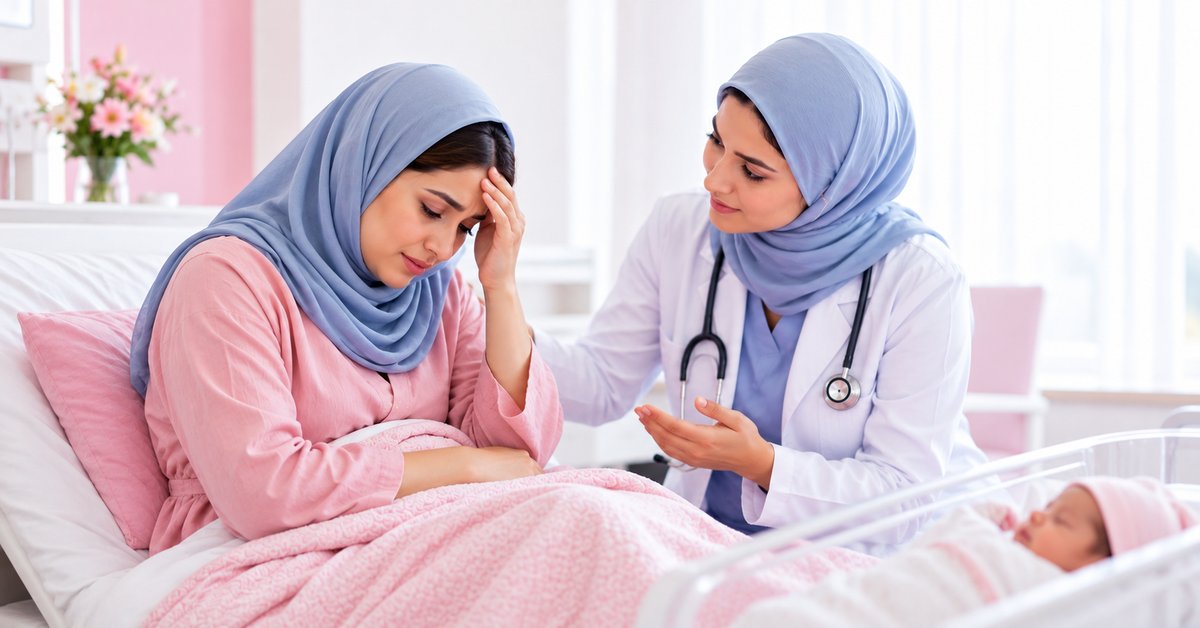
- very heavy bleeding
- severe or worsening abdominal or pelvic pain
- fever
- foul-smelling vaginal discharge
- a severe headache or changes in vision
- chest pain or difficulty breathing
- pain or swelling in one leg, which could signal a blood clot
- redness, swelling or discharge from a wound
- severe emotional distress
- thoughts of harming yourself or your baby
If you or someone close to you has thoughts of self-harm or of harming the baby, get urgent professional or emergency help straight away. For other concerning symptoms, you can also contact the ESMC team, but never wait for an appointment if the situation could be an emergency.
Postpartum Mental Health Matters Too
Many mothers have a short spell of tearfulness and mood swings in the first days after birth, often called the baby blues. These usually settle by themselves. Persistent, severe or worsening low mood, anxiety or unusual behavior is different and deserves professional assessment. A doctor, not an article, can diagnose postpartum depression, and early help makes a difference. Read more in our guide to postpartum depression symptoms in the UAE.
C-Section Recovery: What to Expect
C-section recovery is major abdominal surgery recovery on top of caring for a newborn, so it is worth planning for. Points to discuss with your doctor include:
- caring for the incision
- pain control and getting moving
- signs of infection, such as redness, swelling, discharge or fever
- activity restrictions according to your clinician’s advice
- follow-up appointments
- gradual recovery over time
Avoid relying on rigid timelines for driving, exercise or other activities. Your doctor will tell you what is appropriate for your recovery.
Pelvic-Floor Recovery: When to Ask for Help
The pelvic floor is the group of muscles that supports the bladder, womb and bowel, and pregnancy and birth both put it under strain. Leaking urine when you cough or laugh, a feeling of heaviness, or difficulty controlling wind or stools are common in the first weeks. Many women improve with time and gentle pelvic-floor exercises, but symptoms that persist, worsen or cause distress deserve assessment. A doctor can examine you and, where needed, refer you to a physiotherapist who specializes in pelvic health. You do not need to wait until you have finished having children to ask.
Recovering After a Vaginal Birth
After a vaginal delivery, you may notice perineal soreness, bruising or stitches where there was a tear or episiotomy. Bleeding, pelvic-floor symptoms and urinary or bowel concerns are also common. Recovery varies a great deal, and you should return to activity gradually. If pain is getting worse rather than better, mention it at your checkup.
Breastfeeding Support After Delivery
Breastfeeding can be demanding, and difficulties are common. Things worth raising with a doctor include painful feeds, cracked nipples, engorged breasts, worries about milk supply and symptoms that might suggest mastitis, such as a hot, red, painful breast with fever. Breastfeeding support from a healthcare professional can make feeding more comfortable. If you would like help, ask the team at your postnatal appointment.
Nutrition, Sleep and Recovery After Delivery
In the early weeks, the aim is recovery, not weight loss. Eating regular nourishing meals, drinking enough, resting when you can and accepting help from family all support healing. Gentle activity can be added gradually. Aggressive dieting is not advised in early postpartum recovery. Do keep your follow-up appointments, because they are the best way to catch problems early.
When Can You Resume Normal Activities?
People often ask when they can exercise, drive, return to work, have sex or lift heavy things again. There is no universal deadline. It depends on the type of delivery, any complications, your symptoms, your physical recovery and your doctor’s advice. Ask for individual clearance rather than relying on an arbitrary number of weeks, and ask about contraception before you resume sex.
Postnatal Care and Future Pregnancy Planning
Postnatal care also looks ahead. Topics include contraception, spacing between pregnancies, recovering fully before another pregnancy, previous pregnancy complications and planning for future pregnancies. If you had a complication this time, you may like to read about high-risk pregnancy in Sharjah. For choosing a method, ask about family planning and contraception at your visit. For a broader review of your health, see our women’s health checkup in Sharjah guide.
Practical Tips for the First Weeks at Home
- Sleep when the baby sleeps, and let others handle household tasks where possible.
- Keep water and healthy snacks within reach, particularly while breastfeeding.
- Note any bleeding, pain or mood changes so that you can describe them accurately at your visit.
- Keep a list of your questions, because they are easy to forget when you are tired.
- Ask for help early, whether it is feeding support, practical help or someone to talk to.
Supporting a New Mother: A Note for Partners and Family
If someone you love has just given birth, your support matters. Take on practical jobs, encourage her to keep her postnatal checkup, and watch for signs that she is not coping, such as persistent sadness, withdrawal, extreme anxiety or difficulty sleeping even when the baby is settled. Encourage her to speak with a doctor and, if you are ever worried about her safety or the baby’s, get urgent help straight away.
Postnatal Care in Sharjah at ESMC
ESMC offers postnatal care in Sharjah, including women’s health care, gynecological follow-up, postpartum assessment, evaluation of postpartum symptoms and reproductive health discussions in Sharjah. If you need more evaluation, we can arrange ongoing care. Visit our gynaecology department to learn about gynecology care in Sharjah, or speak with an ESMC women’s health specialist to arrange a postnatal visit.
Frequently Asked Questions
What does postnatal care include?
Postnatal care covers the mother’s health after childbirth: physical recovery, bleeding, blood pressure, wound healing, breastfeeding, pelvic-floor symptoms, emotional wellbeing and contraception. The mix depends on your delivery and your needs.
When should I have a postnatal checkup?
Follow-up should begin soon after delivery and continue according to your needs. Timing depends on the type of delivery, any complications, your blood pressure and your symptoms. Your doctor will advise you.
What happens during a postpartum checkup?
Your doctor will ask about bleeding, pain, wound healing, feeding, mood and sleep, check your blood pressure and examine you where appropriate. It is also a time to discuss contraception and your plans for future pregnancy.
How long does postpartum recovery take?
It varies. Many physical changes settle over weeks, while full recovery can take longer, particularly after a cesarean or a complicated birth. Avoid comparing yourself with others and ask your doctor about your own progress.
What postpartum symptoms require medical attention?
Very heavy bleeding, fever, severe pain, foul-smelling discharge, severe headache, chest pain, breathing difficulty, leg pain or swelling, wound problems and severe distress all need prompt care. Seek urgent help if the situation could be an emergency.
When should I contact a doctor after a C-section?
Contact a doctor if the wound is red, swollen or discharging, you have a fever, your pain is worsening or heavy bleeding occurs. For chest pain, breathlessness or leg swelling, go to emergency care.
What are the signs of postpartum depression?
Signs can include persistent low mood, anxiety, loss of interest, trouble sleeping beyond what is expected with a newborn, and feeling overwhelmed. Only a doctor can diagnose it. If you have thoughts of self-harm, seek urgent help.
Can I discuss contraception during my postnatal appointment?
Yes. The postnatal visit is a good time to discuss contraception and spacing between pregnancies, and your doctor can help you choose a method that suits you, including while breastfeeding.
When can I start exercising after giving birth?
There is no single date. It depends on your delivery, complications and recovery. Your doctor can tell you when you are ready, and gentle activity usually comes before more strenuous exercise.
Where can I get postnatal care in Sharjah?
ESMC provides women’s health care and postpartum follow-up in Sharjah. You can book a postnatal appointment through the ESMC contact page and discuss your recovery with a specialist.