
Infertility is a deeply personal experience that affects more couples than many realize. Whether you have been trying to conceive for months or are just beginning to ask questions, seeking timely infertility treatment in Sharjah can make a meaningful difference in your journey toward parenthood.
At Erum Saba Medical Center, we understand that infertility is both a medical and emotional challenge. As a trusted women’s health center in Sharjah, our team combines evidence-based fertility care with compassion, confidentiality, and personalized support to help you take the right steps at the right time.
Table of Contents
Understanding Infertility
Infertility is a medical condition that affects many individuals and couples, yet it is often misunderstood or delayed in seeking care. While conversations around fertility can feel deeply personal, timely medical guidance plays a crucial role in identifying concerns early and improving the chances of successful outcomes.
At Erum Saba Medical Center, we recognize infertility as both a medical and emotional experience. As a comprehensive women’s health center in Sharjah, our approach combines evidence based medical care with compassion, confidentiality, and patient education.
This article aims to explain what infertility is, when to seek professional help, common causes, diagnostic steps, treatment options, and the support available at Erum Saba Medical Center.
What Is Infertility?
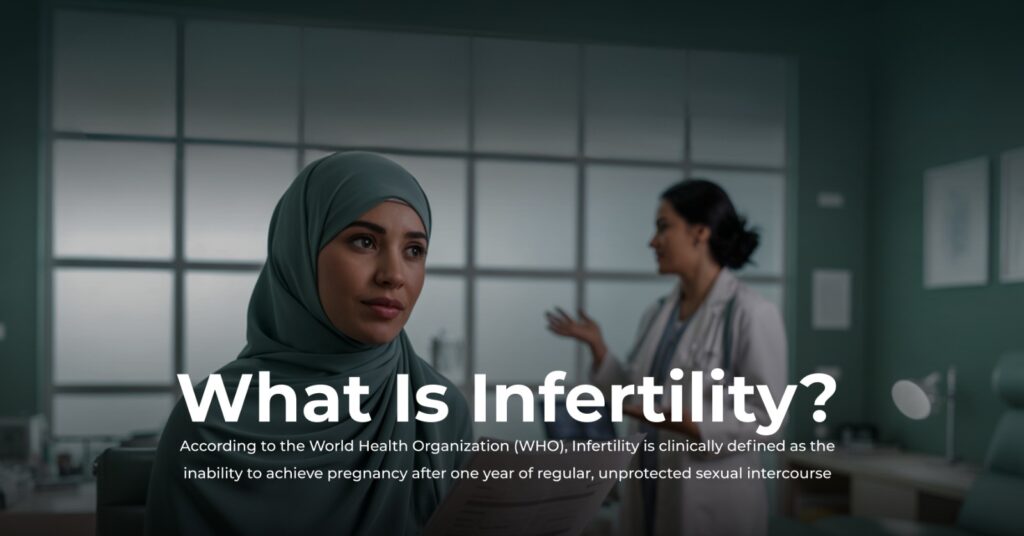
According to the World Health Organization (WHO), Infertility is clinically defined as the inability to achieve pregnancy after one year of regular, unprotected sexual intercourse. For women aged 35 and above, medical evaluation is recommended after six months, as fertility naturally declines with age.
Infertility can affect:
- Women
- Men
- Both partners equally
- Individuals planning pregnancy later in life
It is important to understand that infertility is a medical condition, not a personal failure, and many causes are treatable with appropriate care.

When Should You Seek Help for Infertility?
Early consultation with a fertility specialist is advised in the following situations:
- Difficulty conceiving after the recommended time period
- Irregular, very painful, or absent menstrual cycles
- History of miscarriages
- Known hormonal disorders such as PCOS or thyroid disease
- Previous pelvic or reproductive surgery
- History of sexually transmitted infections
- Male factors such as erectile issues or prior testicular surgery
- Planning pregnancy after the age of 35
Consulting a specialist through the gynecology department at ESMC can help identify underlying causes early and improve treatment outcomes.
Common Causes of Infertility in Women
Female infertility can arise from several factors, often related to ovulation, reproductive anatomy, or hormonal balance.
Ovulation Disorders
Conditions such as Polycystic Ovary Syndrome (PCOS) are among the most common causes of infertility. They interfere with regular egg release, making conception unpredictable.
Hormonal Imbalances
Disruptions in thyroid hormones, prolactin levels, or progesterone can affect ovulation, implantation, and pregnancy maintenance.
Tubal Factors
Blocked or damaged fallopian tubes, often caused by pelvic inflammatory disease, infections, or prior surgery, can prevent the egg and sperm from meeting.
Uterine Conditions
Fibroids, polyps, adhesions, or structural abnormalities of the uterus may affect implantation or increase miscarriage risk.
Age-Related Fertility Decline
Egg quality and quantity decrease with age, particularly after 35, affecting both conception and pregnancy outcomes.
Common Causes of Infertility in Men
Male infertility contributes to approximately 40–50% of infertility cases, making male evaluation an essential part of fertility assessment.
Common male factors include:
- Low sperm count
- Poor sperm motility (movement)
- Abnormal sperm morphology (shape)
- Hormonal imbalances affecting sperm production
- Varicocele (enlarged veins around the testicles)
- Lifestyle factors such as smoking, obesity, excessive heat exposure, or chronic stress
At ESMC, fertility evaluation always includes both partners to ensure accurate diagnosis and effective treatment.
The Initial Fertility Evaluation Process
The fertility assessment process is structured, confidential, and patient-focused.
For Women, Initial Evaluation May Include:
- Detailed medical, menstrual, and reproductive history
- Blood tests to assess hormonal levels
- Pelvic ultrasound to examine ovaries and uterus
- Ovulation tracking
- Further uterine or tubal evaluation if indicated
For Men, Evaluation May Include:
- Semen analysis to assess sperm count and quality
- Hormonal testing when required
The goal of testing is to identify treatable factors and guide the most appropriate next steps.
Fertility evaluation typically involves hormonal testing, imaging, and semen analysis, following standard diagnostic approaches recommended by the UK National Health Service (NHS).
Infertility Treatment Options: What Are the Possibilities?
Treatment plans are highly individualized and depend on age, diagnosis, duration of infertility, and overall health.
Medical and Lifestyle Management
Some patients benefit from cycle regulation, hormonal treatment, nutritional guidance, or lifestyle modifications.
Ovulation Induction
Medications may be used to stimulate ovulation in women who do not ovulate regularly.
Assisted Reproductive Options
Depending on the situation, options such as intrauterine insemination (IUI) may be recommended. When advanced care is needed, patients may be guided toward specialized reproductive centers.
At ESMC, treatment recommendations are transparent, ethical, and aligned with international medical guidelines.
Emotional and Psychological Support During Infertility
Infertility can have a significant emotional impact, leading to stress, anxiety, and feelings of isolation. Emotional support is an essential part of comprehensive fertility care.
Support may include:
- Open, respectful communication with healthcare providers
- Counseling referrals when needed
- Partner inclusive consultations
- Guidance on managing stress and emotional well-being
Addressing emotional health improves overall care and helps patients navigate the fertility journey with greater resilience.
Success Rates and Setting Realistic Expectations
Fertility treatment success depends on several factors:
- Age of the patient
- Underlying cause of infertility
- Duration of infertility
- Treatment method used
While medical advancements have significantly improved outcomes, results may take time. Honest communication about expectations is a core part of ESMC’s patient care philosophy.
How ESMC Supports Couples Facing Infertility
As a trusted gynecology and fertility care provider in Sharjah, ESMC offers:
- Experienced gynecologists and women’s health specialists
- Comprehensive fertility evaluations
- Personalized treatment planning
- Patient education and informed decision-making
- A respectful, confidential clinical environment
Our focus is on providing care that is medically sound, ethically responsible, and emotionally supportive.
What to Expect During Your First Consultation at ESMC
Your first fertility consultation is designed to be thorough and reassuring. During the visit, patients can expect:
- A detailed review of medical and reproductive history
- Clear explanation of recommended tests
- Discussion of possible causes and next steps
- Opportunity to ask questions without pressure
- A supportive, patient-centered approach
Taking the Next Step with ESMC
Infertility can feel overwhelming, but you do not have to navigate it alone. At ESMC’s gynecology and infertility services in Sharjah, our team takes time to understand your medical history, your goals, and your concerns before recommending any tests or treatment.
If you have been trying to conceive without success, are living with conditions such as PCOS, recurrent miscarriage, or hormonal imbalance, or are planning a pregnancy after 35, scheduling an early fertility consultation can make a meaningful difference.
You can book an appointment with our gynecology department, ask questions, or discuss our Infertility and Recurrent Miscarriage Packages through our online form or WhatsApp, so you can choose the path that feels right for you and your family.
For more support, explore our related services, including pre‑pregnancy counseling, hormonal health management, and reproductive health screenings, or visit our Gynaecology Department page to learn how ESMC supports women at every stage of their fertility journey.
Frequently Asked Questions
1. What is the definition of infertility? Infertility is clinically defined by the WHO as the inability to achieve pregnancy after one year of regular, unprotected sexual intercourse. For women aged 35 and above, medical evaluation is recommended after six months.
2. When should I see a fertility specialist? You should consult a specialist if you have been trying to conceive without success for the recommended time period, have irregular or absent periods, a history of miscarriages, hormonal disorders like PCOS, or are planning pregnancy after age 35.
3. Can infertility affect men too? Yes. Male infertility contributes to approximately 40–50% of infertility cases. Common causes include low sperm count, poor sperm motility, abnormal sperm shape, hormonal imbalances, and lifestyle factors such as smoking or obesity.
4. What tests are done during a fertility evaluation? For women, evaluation includes hormonal blood tests, pelvic ultrasound, ovulation tracking, and reproductive history review. For men, semen analysis and hormonal testing are the primary assessments.
5. What treatment options are available for infertility? Treatment depends on the cause and may include lifestyle modifications, hormonal therapy, ovulation induction medications, or assisted reproductive options such as intrauterine insemination (IUI). ESMC provides personalized treatment plans based on each patient’s diagnosis.
6. Does PCOS cause infertility? PCOS is one of the most common causes of female infertility. It interferes with regular ovulation, making conception unpredictable. However, with proper medical management, many women with PCOS achieve successful pregnancies.
7. Is infertility treatment emotionally difficult? Yes, the fertility journey can be emotionally challenging. ESMC provides emotional support through open communication, counseling referrals, partner-inclusive consultations, and stress management guidance alongside medical treatment.
8. What can I expect at my first fertility consultation at ESMC? Your first visit will include a detailed review of your medical and reproductive history, explanation of recommended tests, discussion of possible causes and next steps, and the opportunity to ask questions in a confidential, supportive environment.
You Don’t Have to Face Infertility Alone!
Book a confidential fertility consultation at ESMC Sharjah and let our expert team guide you toward the right path for your family.