Bleeding gums in pregnancy Sharjah mothers experience is one of those changes that sits quietly in the background of an already overwhelming first trimester. You noticed it this morning. A pink tinge in the sink after brushing. Your gums look a little puffy, a little redder than usual. You mentioned it to your mother-in-law and she said it was perfectly normal in pregnancy and not to worry about it. You have had it in the back of your mind since.
Normal or not, something has changed in your mouth and you want to know whether you are supposed to do something about it. The answer is yes. Bleeding gums in pregnancy are genuinely very common, but common does not mean harmless. The hormonal changes of pregnancy create a specific oral environment that can escalate from manageable gum inflammation to a condition with documented links to premature birth and low birth weight if it is left untreated. Here is what you need to know, trimester by trimester, and exactly what to do about it.
Table of Contents
Why Pregnancy Causes Bleeding Gums
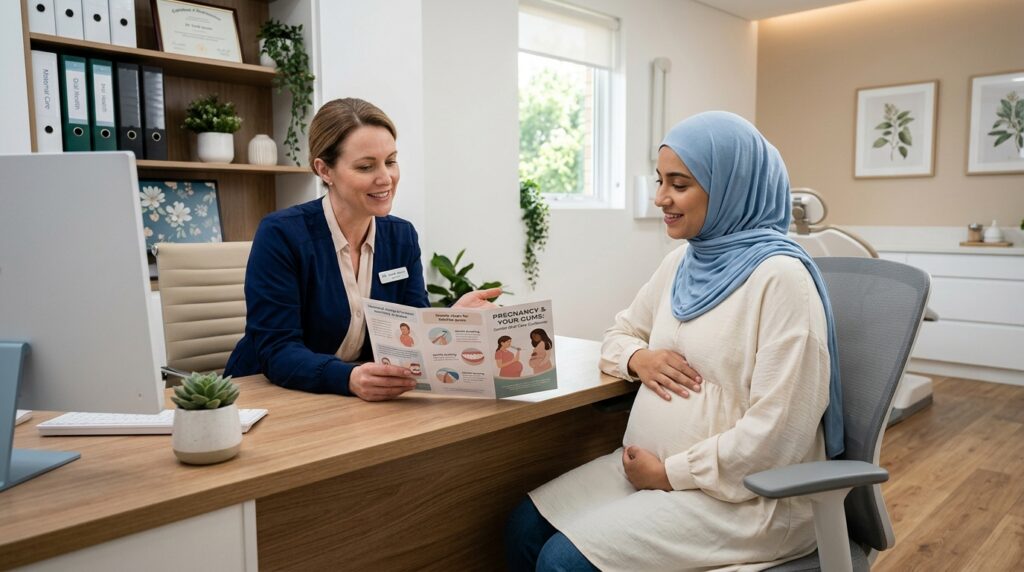
During pregnancy, oestrogen and progesterone levels rise dramatically. According to clinical research published in PMC on pregnancy gingivitis prevalence, the hormonal changes of pregnancy directly increase the inflammatory response of gum tissue to dental plaque. Progesterone in particular causes the same level of plaque that would cause minimal reaction before pregnancy to now trigger significant gum inflammation, redness, and bleeding.
This condition has a specific clinical name: pregnancy gingivitis. According to a systematic review and meta-analysis published in PMC, gestational gingivitis affects between 36 and 100 percent of pregnant women globally, with the condition being amplified by elevated progesterone levels that alter the subgingival microflora and inflammatory mediator production.
Progesterone levels peak in the second trimester, which is why many women notice a worsening of gum symptoms between weeks 14 and 28. However, symptoms can begin as early as the first trimester and persist through delivery.
Pregnancy gingivitis is not caused by pregnancy hormones alone. It is caused by the interaction of those hormones with pre-existing dental plaque. A woman with excellent oral hygiene and minimal plaque before pregnancy will have a much milder reaction than a woman with moderate plaque buildup. This is clinically important because it means the condition is both preventable and manageable.
The UAE morning sickness complication. In Sharjah’s community where dietary nausea can be pronounced in early pregnancy, morning sickness causes repeated exposure of teeth to stomach acid. This acid erodes enamel and inflames the gum margin over time. For women experiencing frequent vomiting in the first trimester, the combination of acid erosion and hormonal gum inflammation can be particularly severe.
Why This Is Not Something to Ignore
The link between periodontal disease and adverse pregnancy outcomes is one of the most well-researched areas of dental medicine. A systematic review and meta-analysis published in PMC covering 11 cohort studies found a statistically significant association between periodontal disease in pregnancy and preterm birth (relative risk 1.67) and low birth weight (relative risk 2.53). A separate PMC umbrella review confirmed that mothers with periodontal disease may have up to seven times the risk of delivering preterm or low birth weight babies compared to those with a healthy periodontium.
How this happens: Periodontopathogenic bacteria from inflamed gums can enter the bloodstream and reach the fetoplacental unit directly. Inflammatory mediators including prostaglandin E2, interleukins, and TNF-alpha produced in the subgingival inflammation zone can trigger responses that mimic the prostaglandin cascade of labour, potentially stimulating premature contractions.
The gestational diabetes connection. Periodontal inflammation can worsen insulin resistance, creating a bidirectional relationship with gestational diabetes. Women with gestational diabetes in Sharjah should have their oral health assessed as part of their overall pregnancy management.
The critical distinction: Pregnancy gingivitis at the early stage is not the same as periodontal disease. Gingivitis is reversible inflammation of the gum surface. If treated promptly, it does not progress. If left untreated throughout pregnancy, it can advance to periodontitis, which involves destruction of the bone supporting the teeth and carries all of the above risks.
Bleeding gums in pregnancy are not something to wait out. They are a signal that gum tissue needs professional attention. The earlier this is addressed, the simpler the treatment and the lower the risk to your pregnancy.
What Pregnancy Does to the Rest of Your Mouth
Pregnancy tumours (pyogenic granuloma). In some women, a localised overgrowth of gum tissue develops between teeth, usually in the second trimester. This looks alarming but is completely benign and not cancerous despite the name. It bleeds easily on contact, is caused by hormonal changes rather than infection, and typically resolves after delivery. If it causes significant discomfort or bleeding during eating, it can be safely removed during pregnancy.
Increased cavity risk. Morning sickness acid, increased sugar cravings, reduced saliva production, and changes in snacking patterns all combine to increase cavity formation during pregnancy. Many women in Sharjah defer dental visits during pregnancy assuming treatment is unsafe, which allows cavities to progress unchecked throughout the full 9 months.
Tooth mobility. Some women notice their teeth feel slightly looser during pregnancy. This is caused by the hormone relaxin affecting the periodontal ligament temporarily. It is usually reversible after delivery and is not a sign of impending tooth loss.
Dry mouth. Pregnancy hormones can reduce saliva flow, which is the mouth’s natural defence against bacteria and acid. Reduced saliva increases the risk of both cavities and gum disease simultaneously.
Is Dental Treatment Safe in Pregnancy?
The short answer is yes, and this is one of the most important messages in this guide because avoidance of the dentist during pregnancy is one of the most common and most harmful patterns our team sees in Sharjah.
The NHS is unequivocal that you should tell your dentist you are pregnant and continue having dental check-ups. The American College of Obstetricians and Gynecologists (ACOG) and the American Dental Association all state that routine and necessary dental treatment is safe throughout pregnancy.
Dental X-rays in pregnancy emit extremely low doses of radiation. With a lead apron and thyroid collar, they are considered safe when clinically necessary. Avoiding a needed X-ray carries more clinical risk than taking it.
Local anaesthetic in pregnancy. Lidocaine is classified as safe for use in pregnancy by all major obstetric bodies. Untreated dental pain or infection carries significantly more risk to the pregnancy than the appropriate use of local anaesthetic.
Antibiotics when needed. Amoxicillin is safe when clinically indicated. Metronidazole is used with caution. Tetracyclines must be avoided entirely. The prescribing decision is always made by the clinician based on the specific infection and trimester.
Avoiding the dentist during pregnancy does not protect your baby. Untreated dental infection and periodontal disease carry documented risks. Dental treatment, when clinically needed, is safe.
Trimester-by-Trimester Guide: What to Do When
| Trimester | Window | Clinical Priority | What ESMC Recommends |
|---|---|---|---|
| First | Weeks 1 to 13 | Emergency treatment safe, elective deferred | Book a dental check-up as soon as pregnancy is confirmed. Focus on home hygiene. Rinse after vomiting, do not brush immediately |
| Second | Weeks 14 to 28 | Ideal window for all routine treatment | Professional scale and polish. Fill any cavities now. Most comfortable positioning |
| Third | Weeks 28 to 40 | Treatment safe but positioning adjusted | Short appointments. Chair tilted slightly left. Emergency treatment as needed |
First Trimester (Weeks 1 to 13)
Book a dental check-up as soon as your pregnancy is confirmed and inform your dentist immediately. Emergency and urgent dental treatment is safe at this stage. Focus heavily on oral hygiene at home: brushing twice daily with fluoride toothpaste and flossing once daily without exception. If you have morning sickness, rinse your mouth with plain water or fluoride mouthwash after vomiting rather than brushing immediately. Brushing acid-softened enamel causes abrasion and removes the already-weakened surface.
Second Trimester (Weeks 14 to 28)
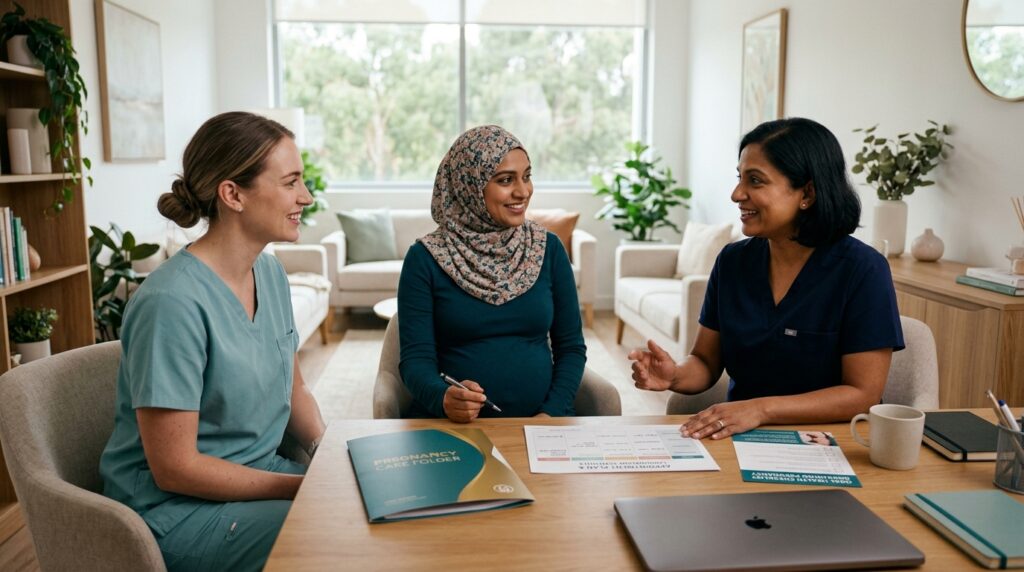
This is the ideal clinical window for routine dental treatment. A professional scale and polish at ESMC with Dr. Shameena Mohammed Rashad removes the plaque and tartar driving gum inflammation. This is the single most effective treatment for bleeding gums in pregnancy and is safe, comfortable, and recommended by all major obstetric and dental guidelines. If a cavity needs filling, do it now rather than deferring it until after delivery. ESMC’s antenatal packages include free dental scaling as a component of pregnancy care.
Third Trimester (Weeks 28 to 40)
Dental treatment remains safe but the dental chair must be adjusted. Lying completely flat after week 28 should be avoided as the weight of the uterus on the inferior vena cava can cause dizziness and reduced blood flow. The chair should be tilted slightly to the left. Keep appointments short. Emergency treatment is managed as needed regardless of trimester.
Book Your Pregnancy Dental Check-Up at ESMC Sharjah
Home Care: What to Do Between Appointments
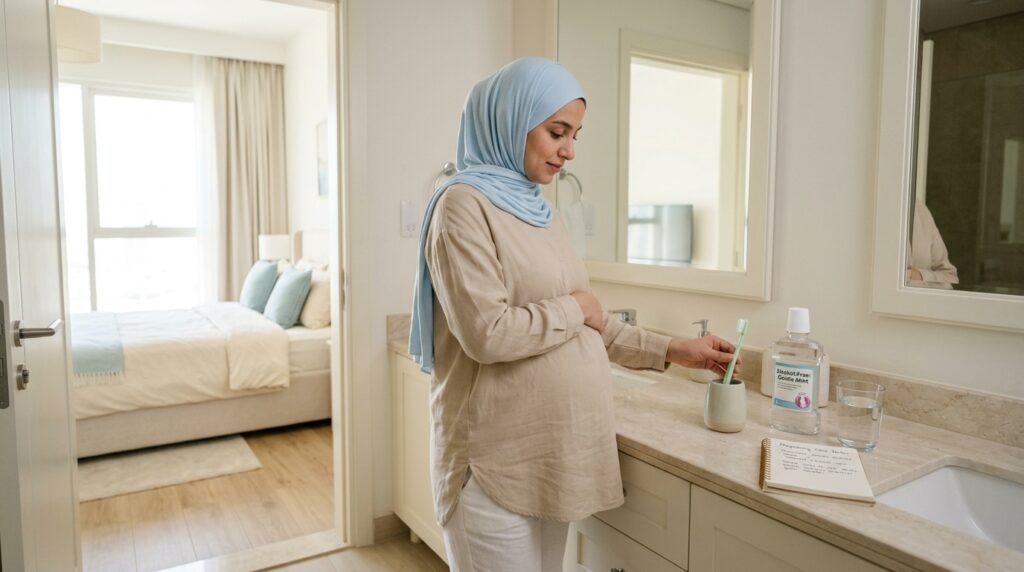
Brush correctly, not harder. Many women brush more vigorously when they see blood, which worsens gum irritation. Use a soft-bristled brush with gentle circular motions at a 45-degree angle to the gum line. Electric toothbrushes are an excellent option during pregnancy as they provide consistent gentle pressure.
Floss daily without exception. Flossing removes the interdental plaque that is the primary driver of pregnancy gingivitis. If flossing causes significant bleeding, this is a sign that it is needed more urgently, not that it should be stopped.
Choose the right mouthwash. Alcohol-free chlorhexidine mouthwash prescribed by a dentist is the most effective adjunct for pregnancy gingivitis. Standard over-the-counter mouthwashes containing alcohol should be avoided during pregnancy.
UAE-specific dietary considerations. Dates, consumed in high quantities throughout pregnancy in Sharjah’s South Asian and Arab communities, have high sugar content and extremely sticky texture, both of which drive plaque accumulation at the gum margin. Eating them at mealtimes rather than continuously and rinsing with water afterwards reduces their dental impact significantly.
Hydration is particularly critical in Sharjah’s heat. Staying well-hydrated supports saliva production, which is the mouth’s primary natural defence mechanism. In the UAE summer, dehydration is a persistent risk that compounds dry mouth symptoms throughout pregnancy.
After morning sickness. Rinse with plain water or fluoride rinse immediately after vomiting. Wait at least 30 minutes before brushing. Chew sugar-free xylitol gum to stimulate saliva flow and neutralise acid between rinse and brush.
UAE-Specific Considerations for Sharjah Pregnant Women
The cultural barrier to dental care in pregnancy. Many pregnant women in Sharjah’s South Asian and Arab communities have been told by family members that dental treatment during pregnancy is dangerous for the baby. This belief is widespread and is a significant driver of dental avoidance during pregnancy in this community. The evidence from the NHS, ACOG, and multiple obstetric guidelines is unanimous: dental treatment during pregnancy is safe, and untreated oral disease carries the documented pregnancy risks outlined above.
Ramadan during pregnancy. For women fasting during Ramadan while pregnant, extended fasting periods reduce saliva production, increase oral acidity, and amplify gum inflammation. Maintaining oral hygiene during non-fasting hours is particularly important. The post-Iftar period provides the ideal window for brushing and flossing.
Summer dehydration. Sharjah’s extreme summer heat places pregnant women at significantly higher baseline risk of dehydration. Dehydration directly reduces saliva flow and worsens gum health. The standard recommendation of 2 to 3 litres of water daily during pregnancy is even more critical during UAE summer months.
Vitamin D deficiency in UAE pregnancy. Vitamin D deficiency is extremely prevalent in UAE pregnant women and plays a role in immune regulation including oral immune defence. ESMC’s complete antenatal care guide covers Vitamin D screening as part of the full antenatal picture.
Free dental scaling with ESMC antenatal packages. ESMC’s antenatal packages include professional dental scaling as a component of pregnancy care, making gum treatment accessible as part of the overall antenatal experience rather than an additional appointment.
When to Come to ESMC for Dental Care During Pregnancy
Come to the Dental Department at ESMC during pregnancy if:
- You have noticed any bleeding when brushing or flossing, even if it seems mild
- Your gums look redder, more swollen, or more tender than before pregnancy
- You have a toothache or cavity that you have been deferring since the pregnancy began
- You notice a localised lump on your gum that bleeds easily when touched
- You have not had a professional dental clean in the last 6 months
- You have been told you had gum disease before pregnancy
- You have gestational diabetes, which significantly increases periodontal disease risk
- You are in your second trimester and have not yet had any dental assessment during this pregnancy
Your oral health during pregnancy is not separate from your baby’s health. At ESMC, our dental and gynaecology teams work in the same building, meaning your pregnancy and dental care can be coordinated in a single visit with Dr. Erum Saba.
Frequently Asked Questions
Is it normal for gums to bleed during pregnancy or should I be worried?
Bleeding gums in pregnancy in Sharjah and globally are extremely common due to hormonal changes, but they should not be dismissed as harmless. While there is no need for alarm, bleeding indicates that your gums are reacting strongly to plaque and require professional evaluation to prevent the condition from advancing. Ignoring it can allow simple gingivitis to progress into deeper periodontal disease that carries documented risks including preterm birth.
Can I have a scale and polish while pregnant?
Yes, a professional scale and polish is completely safe and highly recommended during pregnancy. The second trimester is the ideal time for this procedure, which removes the plaque and tartar buildup causing your gums to bleed and inflame. This straightforward treatment at ESMC with Dr. Shameena Mohammed Rashad is one of the most effective interventions for bleeding gums in pregnancy and is included in ESMC’s antenatal packages.
Is dental X-ray safe during pregnancy?
Dental X-rays are safe during pregnancy because they emit an extremely low dose of radiation. When a necessary X-ray is required, a protective lead apron and thyroid collar shield both you and your baby throughout the procedure. The NHS confirms that avoiding a necessary diagnostic X-ray can lead to missed infections, which poses a greater clinical risk to your pregnancy than the scan itself.
My gums bleed but I brush and floss every day. Why is it still happening?
Even with excellent daily home care, the elevated levels of progesterone in your body during pregnancy cause your gums to react aggressively to even microscopic traces of plaque that routine brushing cannot reach. A professional dental cleaning removes the subgingival tartar deposits that standard brushing and flossing cannot access, regardless of how diligent you are at home. This is why professional assessment is recommended as soon as pregnancy is confirmed, even for women with excellent pre-pregnancy oral health.
I have a toothache at 32 weeks pregnant. Can I have treatment?
Yes, you can and should receive treatment for a toothache during your third trimester. Active dental pain or infection must be addressed immediately during pregnancy to prevent systemic stress and the risk of untreated infection spreading. Your dentist at ESMC will adjust the chair positioning to keep you tilted slightly to the left for comfort and circulation safety.
Can bleeding gums during pregnancy cause premature birth?
Untreated bleeding gums that progress into deep periodontal disease have been clinically linked to higher risk of preterm birth. A PMC systematic review and meta-analysis found a relative risk of 1.67 for preterm birth and 2.53 for low birth weight in pregnant women with periodontal disease compared to those with healthy gums. The mechanism involves periodontopathogenic bacteria entering the bloodstream and triggering inflammatory mediators that can initiate premature labour responses.
What is a pregnancy tumour and should I be worried?
A pregnancy tumour, medically called pyogenic granuloma, is a benign non-cancerous swelling that typically develops between the teeth due to hormonal changes, usually in the second trimester. Despite its alarming name, it is entirely harmless, bleeds easily when touched during meals, and usually disappears on its own after delivery. If it causes severe bleeding or prevents normal eating, your dentist can safely remove it during pregnancy without any risk to you or your baby.
I have been vomiting a lot in my first trimester. What should I do for my teeth?
If you experience frequent morning sickness, avoid brushing your teeth immediately after vomiting because stomach acid temporarily softens your tooth enamel, and brushing during this window removes the already-weakened surface. Instead, rinse your mouth thoroughly with plain water or an alcohol-free fluoride mouthwash to neutralise the acid, then wait at least 30 minutes before brushing. Chewing sugar-free xylitol gum after rinsing helps stimulate saliva flow and further neutralises acid between episodes.
Can I use mouthwash during pregnancy?
You can use mouthwash during pregnancy but must choose an alcohol-free formula to avoid any systemic absorption. Your dentist at ESMC may prescribe a specialised alcohol-free chlorhexidine rinse if you are managing active pregnancy gingivitis, which is significantly more effective than standard over-the-counter products. Always confirm with your dental team before introducing any new rinse into your routine, as some contain ingredients that are not recommended during pregnancy.
I am breastfeeding now. Do I still need to see a dentist or can I wait?
You should maintain regular dental visits while breastfeeding because your oral health remains vulnerable during the postpartum period due to ongoing hormonal adjustments and nutritional demands from breastfeeding. Routine cleanings, fillings, and local anaesthetics are entirely safe for breastfeeding mothers and do not affect milk supply in any way. Taking care of your teeth now prevents the sudden dental emergencies that are particularly disruptive when managing life with a newborn.
Take Action for Your Oral Health
Bleeding gums in pregnancy Sharjah women experience are one of those things that sit in the background while you manage everything else a pregnancy involves. They feel minor compared to the bigger picture. They are not. They are a signal from your body that your gum tissue needs clinical support, and the good news is that support is simple, safe, and available at ESMC right here in Maysaloon.
For a broader overview of your pregnancy health journey, our complete guide to antenatal care in Sharjah covers trimester-by-trimester monitoring, high-risk pregnancy management, and the full ESMC antenatal package. Do not wait until after the baby arrives. A 20-minute scale and polish during your second trimester could be one of the most important things you do for this pregnancy.
Book your pregnancy dental check-up at ESMC Sharjah with Dr. Shameena Mohammed Rashad. Al Zahra Street, Maysaloon. Open 8AM to 11:30PM daily.
This article is written for general informational purposes by the dental and gynaecology team at Erum Saba Medical Center, Sharjah. It does not replace professional medical or dental advice. If you have concerns about your oral health during pregnancy, please consult a qualified dentist and your obstetrician.