
You are tired. Not the ordinary tiredness that comes from a single bad night of sleep, but a deeper, more persistent fatigue that remains even after eight hours in bed.
Your muscles feel vaguely sore without a hard workout. You have caught more seasonal colds this year than usual, your hair seems to be shedding excessively, and your overall mood feels unusually flat. It is easy to blame these feelings on workplace stress, the relentless summer heat, or simply getting older.
Vitamin D deficiency UAE is not a minor or occasional health concern. The UAE Ministry of Health and Prevention National Health and Nutrition Survey 2024 to 2025, released in January 2026 and endorsed by the World Health Organization, specifically identified Vitamin D deficiency as one of the three persistent health challenges facing UAE residents alongside obesity and physical inactivity.
Estimates show that 70 to 90 percent of UAE residents have insufficient Vitamin D levels. This guide explains why that happens, what it is doing to your body, and exactly what to do about it.
Table of Contents
What Vitamin D Actually Does in Your Body
Vitamin D is not simply a basic nutrient for building bones. It acts like a hormone within the body, influencing over 200 genes and helping regulate immune response, muscle function, mood stability, cardiovascular health, and cell growth. Many local environmental and lifestyle factors contribute to the high prevalence of Vitamin D deficiency across the wider Gulf region.
Your body synthesizes Vitamin D when skin is exposed to UVB rays from direct sunlight. The liver and kidneys then convert it into its active form, calcitriol. This active form binds to Vitamin D receptors located in nearly every organ and tissue. Proactive clinical screenings help detect Vitamin D deficiency before chronic bone softening or progressive muscle weakness occurs.
When your levels fall short, this broad receptor network becomes under activated. According to PMC research on Vitamin D and human health (PMC3356951), low Vitamin D is linked to impaired immunity, persistent muscle weakness, mood disturbances, and long-term skeletal issues like bone softening. Educating the public on Vitamin D deficiency is a core part of our preventive health mission at Erum Saba Medical Center.
Why the UAE Has Such High Deficiency Rates
It seems paradoxical that a country with year-round sunshine faces widespread deficiency, but specific environmental and lifestyle factors make low Vitamin D almost inevitable in the UAE. Understanding the biological markers of Vitamin D deficiency allows our clinical team to design a more personalized treatment plan.
The Sunshine Paradox
The UAE receives intense sunlight, yet extreme summer heat forces residents indoors for half the year. Outdoor activity usually happens early in the morning or late in the evening when UVB intensity is too low for Vitamin D synthesis. The skin requires direct midday sunlight to produce Vitamin D, which is precisely the time most residents avoid being outside.
Covered Clothing and Sun Protection
Many residents in Sharjah cover their arms, legs, or face for cultural or religious reasons. Additionally, high-SPF sunscreens reduce Vitamin D synthesis by up to 99 percent when used correctly. While essential for comfort and skin cancer prevention, these practices reduce skin exposure to UVB rays. Regular medical tracking of Vitamin D deficiency is highly recommended for all high-risk individuals and growing families in the UAE.
Skin Pigmentation
Darker skin tones, common among South Asian and Arab populations, contain more melanin. Melanin acts as a natural sun filter. According to PMC research on skin pigmentation and Vitamin D synthesis (PMC2698592), individuals with darker complexions can require 3 to 6 times more sun exposure than lighter-skinned individuals to produce equal amounts of Vitamin D.
SUNLIGHT vs. SKIN SYNTHESIS
Intense Midday UV Rays —> Filtered by: Indoor Air-Conditioning
Filtered by: Covered Clothing & High-SPF
Filtered by: Higher Melanin (Darker Skin Tones)
RESULT: Extremely Low Natural Vitamin D Production
Dietary Limits and Indoor Lifestyles
Very few foods naturally contain significant Vitamin D. While egg yolks, fatty fish, and fortified dairy help, traditional diets rarely provide enough to replace direct sun synthesis. Combined with an indoor, air-conditioned lifestyle where 59.1 percent of adults do not meet physical activity targets, incidental sun exposure remains low.
What Vitamin D Deficiency Is Actually Doing to Your Body
Low Vitamin D can cause a range of symptoms across different systems in the body.
Persistent Fatigue and Low Mood
Vitamin D receptors sit inside brain regions that regulate mood and energy. Deficiency disrupts cellular energy production and brain chemistry. A systematic review published in PMC (PMC8229519) found a clear link between low Vitamin D and depressive symptoms, showing that correcting the deficiency helps improve mood.
Bone Aches, Muscle Weakness, and Hair Loss
Without sufficient Vitamin D, your body cannot absorb calcium efficiently. This can lead to osteomalacia, a softening of the bones that causes deep aches in the lower back, hips, and legs. Vitamin D receptors also support hair follicle growth cycles. Deficiency is frequently linked to diffuse hair shedding in both men and women.
Immune Weakness and Insulin Resistance
PMC research on Vitamin D and immunity (PMC3166406) demonstrates that low levels impair how immune cells fight off infections, leading to frequent colds and slow recovery. Furthermore, Vitamin D supports insulin sensitivity. Low levels can worsen metabolic challenges, particularly for women managing PCOS weight gain UAE.
Impact on Children
In children, severe deficiency causes rickets, which leads to soft bones, bowed legs, and delayed physical milestones. Mild deficiency can still cause poor growth, lower immunity, and fatigue.
| Symptom | Commonly Attributed To | May Actually Be |
| Persistent fatigue | Stress, overwork, poor sleep | Vitamin D deficiency disrupting cellular energy |
| Bone and muscle aches | Aging, bad posture, exercise | Osteomalacia from poor calcium absorption |
| Frequent infections | Seasonal viruses, luck | Impaired immune cell response |
| Low mood | Life stress, burnout | Low Vitamin D receptor activation in the brain |
| Excessive hair shedding | Diet, hair products, stress | Follicle cycle disruption from low Vitamin D |
| Worsened insulin resistance | Poor diet, lack of exercise | Impaired metabolic function from low levels |
High-Risk Groups in the UAE
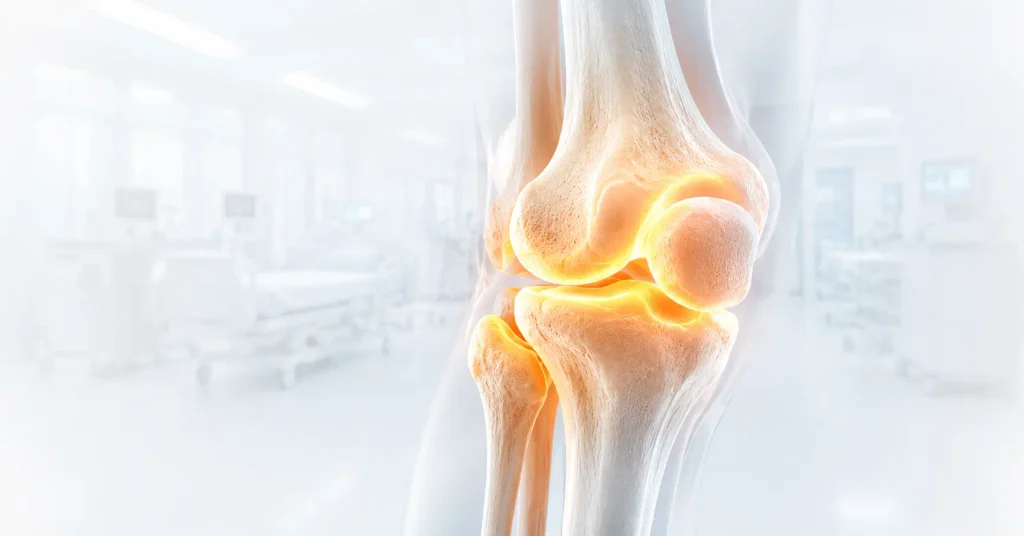
While vitamin D deficiency UAE affects all demographics, several groups face a higher risk:
- Pregnant and Breastfeeding Women: Demands increase significantly during pregnancy. Deficiencies can impact maternal bone health and fetal development. Breastfed infants need direct supplementation if the mother’s levels are low, as outlined in our complete guide to antenatal care in Sharjah.
- Women with PCOS: Research shows low Vitamin D can worsen insulin resistance and hormonal imbalances in women with PCOS.
- Infants and Growing Children: Developing bones require consistent Vitamin D. Pediatric evaluations should monitor growth as part of tracking baby development milestones Sharjah.
- Older Adults: Aging skin becomes less efficient at synthesizing Vitamin D from sun exposure.
- Individuals with Higher Body Mass Index: Vitamin D is fat-soluble and can become trapped in fat tissue, lowering the amount circulating in the bloodstream.
How to Test and What the Numbers Mean
Vitamin D status is evaluated using a straightforward blood test called serum 25-hydroxyvitamin D (25-OHD). The draw takes only a couple of minutes, and results are typically ready within 24 to 48 hours. At Erum Saba Medical Center, this test is available through the Basic Health Package AED 99.
VITAMIN D BLOOD TEST LEVEL GUIDE
< 30 nmol/L [ SEVERE DEFICIENCY ] –> High risk for bone softening & weak immunity
30 – 50 nmol/L [ DEFICIENT ] –> Inadequate for bone and tissue health
50 – 75 nmol/L [ INSUFFICIENT ] –> Below optimal target range
75 – 125 nmol/L[ OPTIMAL RANGE ] –> Healthy level for most adults
> 250 nmol/L [ TOXICITY RISK ] –> Excessive; requires clinical adjustment
| Level (nmol/L) | Level (ng/mL) | Classification | Clinical Meaning |
| Below 30 | Below 12 | Severe Deficiency | Increased risk of bone softening and poor immunity |
| 30 to 50 | 12 to 20 | Deficiency | Inadequate for bone strength and general health |
| 50 to 75 | 20 to 30 | Insufficiency | Below optimal range, supplementation usually recommended |
| 75 to 125 | 30 to 50 | Adequate | Optimal range for bone, immune, and metabolic function |
| Above 250 | Above 100 | High / Toxicity Risk | Requires immediate medical dose adjustment |
Medical Note: Guessing your dose with over-the-counter supplements without testing can lead to under-treating a severe deficit or taking excessive doses unnecessarily. Testing ensures your dosage is tailored to your exact starting level.
How Vitamin D Deficiency Is Treated
Correcting a deficiency involves a structured approach guided by your physician.
D3 Supplementation and Loading Doses
Oral Vitamin D3 (cholecalciferol) is the standard treatment. According to PMC comparative research (PMC4462379), Vitamin D3 raises blood levels more effectively and maintains them longer than Vitamin D2. For severe deficiencies, clinicians may prescribe a temporary higher loading dose to restore levels safely before moving to a lower maintenance routine.
Dietary Support
Dietary changes support your treatment plan. Incorporate fatty fish like salmon or sardines twice a week, include whole eggs in your meal rotation, and choose fortified milk options. While food intake alone rarely cures a major deficiency, it provides ongoing nutritional support.
Monitoring and Safety
Follow-up blood tests are typically scheduled 3 to 4 months after starting treatment to verify that your levels are improving and to adjust maintenance dosing.
Warning on Toxicity: Because Vitamin D is fat-soluble, extremely high doses taken over long periods without medical tracking can cause calcium buildup in the blood. This can lead to symptoms like nausea, frequent urination, or kidney strain. Supervised monitoring prevents over-supplementation.
Practical UAE Living Guidance
You can manage your Vitamin D levels effectively while living in the UAE with a few practical habits:
- Cooler Months (October to April): Expose your arms and legs to direct midday sunlight for 15 to 30 minutes, 3 to 4 times a week. Those with darker skin tones may need 30 to 60 minutes for effective synthesis.
- Hotter Months (May to September): Rely primarily on prescribed supplementation and dietary sources, as outdoor sun exposure is limited by the heat.
- Take Supplements with Meals: Vitamin D is fat-soluble. Taking your supplement with a meal containing healthy fats, such as eggs, olive oil, or yogurt, improves absorption compared to taking it on an empty stomach.
- Consider Vitamin K2: Vitamin D improves calcium absorption, while Vitamin K2 helps direct calcium into the bones rather than blood vessels. Discuss with your physician whether a D3 and K2 combination fits your care plan.
When to Schedule a Vitamin D Screening
Consider visiting our medical team if you experience any of the following:
- Ongoing fatigue, low mood, or muscle aches without a clear explanation.
- You have not had your Vitamin D levels checked within the last 12 months.
- You are pregnant, nursing, or managing conditions like PCOS or type 2 diabetes.
- You spend most of your day indoors, cover your skin outdoors, or have a darker skin tone.
- You take over-the-counter Vitamin D supplements but have not re-tested to confirm your current levels.
Our medical clinic offers comprehensive testing options through the Basic Health Package AED 99, covering Vitamin D, iron, ferritin, and full metabolic metrics.
Frequently Asked Questions
How do I know if I have Vitamin D deficiency without a blood test?
You cannot confirm Vitamin D deficiency based on symptoms alone because signs like fatigue, muscle weakness, low mood, and hair loss overlap with many other health conditions. A simple blood test measuring serum 25-hydroxyvitamin D is the only reliable way to check your levels.
Can I just take a Vitamin D supplement from the pharmacy without getting tested first?
While low-dose daily supplements are generally safe, taking them without testing means you might under-treat a severe deficiency or unnecessarily take high doses. Testing tells your doctor your exact baseline so they can prescribe the right dosage and duration for your needs.
How much Vitamin D do I need per day in the UAE?
Daily requirements depend on your age, baseline blood levels, skin tone, and health status. A general maintenance allowance for adults is around 600 to 1,000 IU daily, but correcting a documented deficiency often requires higher, clinician-supervised doses for a short period.
Why do I have Vitamin D deficiency when I live in a sunny country?
The UAE’s extreme heat keeps people indoors for much of the year, particularly during peak UV hours. Additionally, sun protection, covered clothing, darker skin pigmentation, and air-conditioned lifestyle habits block the direct skin exposure needed to synthesize Vitamin D naturally.
Can Vitamin D deficiency cause hair loss?
Yes, Vitamin D helps regulate hair follicle growth cycles. When levels drop significantly, it can lead to hair thinning or increased shedding, such as telogen effluvium. Testing your Vitamin D levels is a routine step in evaluating unexplained hair loss.
How long does it take to correct Vitamin D deficiency with supplementation?
Most people see improvements in their blood levels within 8 to 12 weeks of starting a prescribed supplementation plan. Symptoms like fatigue and muscle aches often begin to improve within the first month of treatment.
Is Vitamin D deficiency linked to depression and anxiety?
Vitamin D receptors are present in brain areas that influence mood regulation. Studies show a strong connection between low Vitamin D and low mood or depressive symptoms, and restoring normal levels often helps improve overall emotional well-being.
My child has never had a Vitamin D test. Should I be concerned?
Vitamin D deficiency affects a large number of children in the UAE due to limited outdoor play during hot months. If your child complains of leg aches, tire easily, or catches frequent infections, scheduling a routine pediatric checkup and screening is a helpful next step.
Take Control of Your Energy and Health
Vitamin D deficiency UAE is very common, but it is also straightforward to identify and correct. Restoring your levels can make a noticeable difference in your day-to-day energy, immune health, mood stability, and bone strength.
A quick blood test provides clarity on your current baseline, allowing our medical team to create a safe, targeted plan for you.
Visit the ESMC General Physician team at ESMC Sharjah Now
Visit us at Al Owais Building, Flat 206, Block A, Jaber Bin Hayan Street, Al Zahra Street, Maysaloon, Sharjah.
Open 8:00 AM to 11:30 PM daily.