High Blood Pressure in the UAE: Why It Is So Common and What to Do Before It Damages Your Health
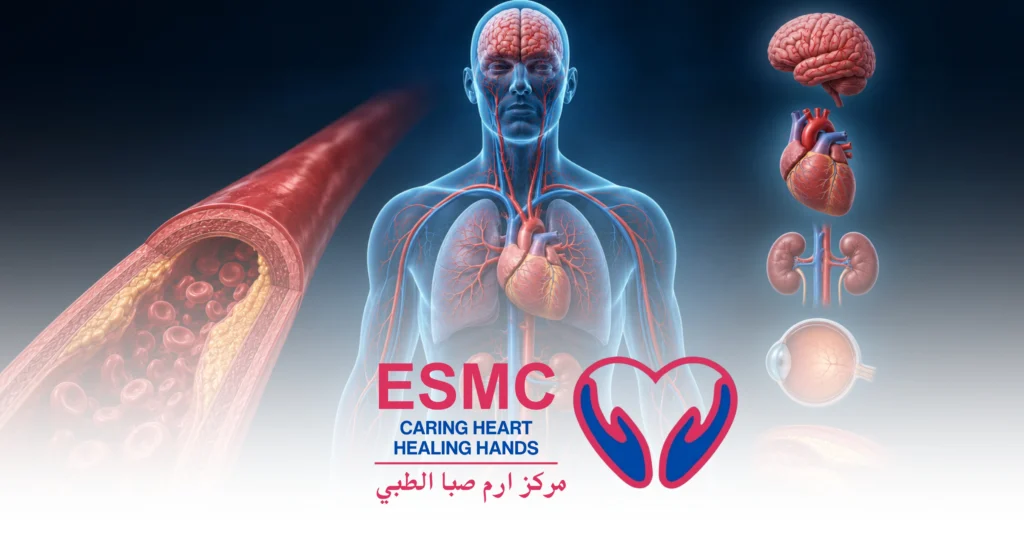
The last time someone checked your blood pressure was probably at a workplace wellness event about eighteen months ago. The nurse mentioned your reading was a little high and suggested watching your salt intake. You nodded, intended to follow up later, and then daily life in UAE took over. Scheduling a regular assessment is a fundamental component of managing high blood pressure. You feel entirely fine right now. You are not experiencing chest pain, you do not have severe headaches, and you certainly are not having a stroke. It is natural to assume that everything is under control. Many individuals remain unaware of their risk because they do not associate feeling well with high blood pressure. However, your father had a heart attack in his late fifties. Your uncle is receiving long-term treatment for kidney disease. Years ago, a doctor mentioned that your numbers were creeping upward. Family medical history is a critical indicator when assessing your susceptibility to high blood pressure. High blood pressure UAE residents experience is one of the most underdiagnosed and undertreated conditions across the country. Medical professionals call hypertension a silent killer not to cause panic, but to accurately describe how it behaves. Hypertension causes progressive, irreversible damage to your heart, brain, kidneys, and eyes for years without producing a single noticeable warning sign. By the time noticeable symptoms appear, significant internal harm has usually already occurred. This slow progression makes it vital to monitor your readings for signs of high blood pressure. This guide from the ESMC General Physician team breaks down why the UAE lifestyle elevates blood pressure, what those numbers mean inside your body today, and the clear steps you can take to protect your health long before a crisis occurs. What High Blood Pressure Actually Is and What the Numbers Mean Blood pressure represents the force your blood exerts against the internal walls of your arteries as your heart pumps. When clinicians record your reading, it appears as two distinct numbers measured in millimetres of mercury (mmHg). Understanding these measurements is key to evaluating your overall risk for high blood pressure. The upper number, known as systolic pressure, measures the force when your heart contracts and pushes blood out into the body. The lower number, known as diastolic pressure, measures the arterial force between beats while the heart rests and refills with blood. According to WHO hypertension guidelines, clinical hypertension occurs when a person’s systolic blood pressure reaches 140 mmHg or higher, or their diastolic blood pressure reaches 90 mmHg or higher, across two separate medical assessments. Category Systolic (mmHg) Diastolic (mmHg) What It Means Recommended Action Normal Below 120 Below 80 Healthy target range Maintain current lifestyle, schedule annual check Elevated 120 to 129 Below 80 Early cardiovascular risk Implement targeted lifestyle changes immediately Stage 1 Hypertension 130 to 139 80 to 89 Clinical hypertension present Lifestyle modifications, evaluate need for medication Stage 2 Hypertension 140 or above 90 or above Established hypertension Clinical medication combined with lifestyle changes Hypertensive Crisis Above 180 Above 120 Severe medical emergency Seek immediate clinical assessment emergency care A key clinical truth about this condition is that blood pressure running at 150/95 feels identical to blood pressure at 115/75. There are no reliable early warning feelings. Measuring your numbers accurately is the only way to know if your vital organs are currently exposed to high arterial pressure. Regular screenings are the only definitive way to confirm if you have high blood pressure. Why High Blood Pressure Is So Prevalent in the UAE Living in the United Arab Emirates involves specific environmental, dietary, and lifestyle patterns that combine to raise cardiovascular risk across both South Asian and Arab expatriate communities. Genetic Predisposition in Local Demographics South Asian individuals carry a well-documented genetic vulnerability to elevated blood pressure and early onset cardiovascular complications. Research published in PMC on South Asian cardiovascular risk indicates that South Asians develop hypertension at younger ages and lower body weight thresholds than other populations. They also face elevated rates of hypertension-related stroke and kidney disease. Arab populations similarly present high baseline genetic risk profiles. Because the UAE population largely consists of these groups, the baseline risk across the region is inherently high. This demographic risk profile underscores the necessity of early screening for high blood pressure. Heavy Dietary Sodium Intake Traditional cooking methods in South Asian and Arab households rely heavily on added salt across multiple stages of meal preparation, including marinations, slow-cooked gravies, and table condiments. Bottled sauces, instant seasonings, pickles, and commercial fast food carry dense hidden sodium loads. Excessive salt consumption is a major dietary factor that directly contributes to high blood pressure. The UAE Ministry of Health and Prevention National Health and Nutrition Survey 2024 to 2025 identified excessive dietary salt consumption as a major national public health issue. While WHO sodium recommendations cap daily intake at less than 5 grams of salt, standard regional meal patterns routinely supply two to three times that recommended limit without the individual realizing it. Chronic Expatriate Stress The expatriate experience across Sharjah and the wider UAE presents distinct psychological pressures. Managing job-dependent residency, keeping pace with living costs, handling extended family obligations back home, and coping with frequent long-term transitions keep the body in a sustained stress response. Chronic stress continuously activates the sympathetic nervous system and elevates circulating cortisol levels, directly driving up blood pressure over time. Chronic lifestyle stress is a primary contributor to the onset of high blood pressure. Seasonal Physical Inactivity Extremely high summer temperatures require residents to stay indoors for five to six months every year. Prolonged physical inactivity remains one of the strongest independent lifestyle contributors to high blood pressure. Conversely, PMC research on exercise and hypertension demonstrates that maintaining regular aerobic physical activity lowers systolic blood pressure by an average of 5 to 8 mmHg. Central Obesity and Metabolic Pressure The UAE Ministry of Health and Prevention National Survey 2024 to 2025 revealed that 68 percent of adults in the country are classified as overweight or obese. Excess weight, particularly fat
Vitamin D Deficiency UAE: Why Almost Everyone Has It and What It Is Actually Doing to Your Health
You are tired. Not the ordinary tiredness that comes from a single bad night of sleep, but a deeper, more persistent fatigue that remains even after eight hours in bed. Your muscles feel vaguely sore without a hard workout. You have caught more seasonal colds this year than usual, your hair seems to be shedding excessively, and your overall mood feels unusually flat. It is easy to blame these feelings on workplace stress, the relentless summer heat, or simply getting older. Vitamin D deficiency UAE is not a minor or occasional health concern. The UAE Ministry of Health and Prevention National Health and Nutrition Survey 2024 to 2025, released in January 2026 and endorsed by the World Health Organization, specifically identified Vitamin D deficiency as one of the three persistent health challenges facing UAE residents alongside obesity and physical inactivity. Estimates show that 70 to 90 percent of UAE residents have insufficient Vitamin D levels. This guide explains why that happens, what it is doing to your body, and exactly what to do about it. What Vitamin D Actually Does in Your Body Vitamin D is not simply a basic nutrient for building bones. It acts like a hormone within the body, influencing over 200 genes and helping regulate immune response, muscle function, mood stability, cardiovascular health, and cell growth. Many local environmental and lifestyle factors contribute to the high prevalence of Vitamin D deficiency across the wider Gulf region. Your body synthesizes Vitamin D when skin is exposed to UVB rays from direct sunlight. The liver and kidneys then convert it into its active form, calcitriol. This active form binds to Vitamin D receptors located in nearly every organ and tissue. Proactive clinical screenings help detect Vitamin D deficiency before chronic bone softening or progressive muscle weakness occurs. When your levels fall short, this broad receptor network becomes under activated. According to PMC research on Vitamin D and human health (PMC3356951), low Vitamin D is linked to impaired immunity, persistent muscle weakness, mood disturbances, and long-term skeletal issues like bone softening. Educating the public on Vitamin D deficiency is a core part of our preventive health mission at Erum Saba Medical Center. Why the UAE Has Such High Deficiency Rates It seems paradoxical that a country with year-round sunshine faces widespread deficiency, but specific environmental and lifestyle factors make low Vitamin D almost inevitable in the UAE. Understanding the biological markers of Vitamin D deficiency allows our clinical team to design a more personalized treatment plan. The Sunshine Paradox The UAE receives intense sunlight, yet extreme summer heat forces residents indoors for half the year. Outdoor activity usually happens early in the morning or late in the evening when UVB intensity is too low for Vitamin D synthesis. The skin requires direct midday sunlight to produce Vitamin D, which is precisely the time most residents avoid being outside. Covered Clothing and Sun Protection Many residents in Sharjah cover their arms, legs, or face for cultural or religious reasons. Additionally, high-SPF sunscreens reduce Vitamin D synthesis by up to 99 percent when used correctly. While essential for comfort and skin cancer prevention, these practices reduce skin exposure to UVB rays. Regular medical tracking of Vitamin D deficiency is highly recommended for all high-risk individuals and growing families in the UAE. Skin Pigmentation Darker skin tones, common among South Asian and Arab populations, contain more melanin. Melanin acts as a natural sun filter. According to PMC research on skin pigmentation and Vitamin D synthesis (PMC2698592), individuals with darker complexions can require 3 to 6 times more sun exposure than lighter-skinned individuals to produce equal amounts of Vitamin D. SUNLIGHT vs. SKIN SYNTHESIS Intense Midday UV Rays —> Filtered by: Indoor Air-Conditioning Filtered by: Covered Clothing & High-SPF Filtered by: Higher Melanin (Darker Skin Tones) RESULT: Extremely Low Natural Vitamin D Production Dietary Limits and Indoor Lifestyles Very few foods naturally contain significant Vitamin D. While egg yolks, fatty fish, and fortified dairy help, traditional diets rarely provide enough to replace direct sun synthesis. Combined with an indoor, air-conditioned lifestyle where 59.1 percent of adults do not meet physical activity targets, incidental sun exposure remains low. What Vitamin D Deficiency Is Actually Doing to Your Body Low Vitamin D can cause a range of symptoms across different systems in the body. Persistent Fatigue and Low Mood Vitamin D receptors sit inside brain regions that regulate mood and energy. Deficiency disrupts cellular energy production and brain chemistry. A systematic review published in PMC (PMC8229519) found a clear link between low Vitamin D and depressive symptoms, showing that correcting the deficiency helps improve mood. Bone Aches, Muscle Weakness, and Hair Loss Without sufficient Vitamin D, your body cannot absorb calcium efficiently. This can lead to osteomalacia, a softening of the bones that causes deep aches in the lower back, hips, and legs. Vitamin D receptors also support hair follicle growth cycles. Deficiency is frequently linked to diffuse hair shedding in both men and women. Immune Weakness and Insulin Resistance PMC research on Vitamin D and immunity (PMC3166406) demonstrates that low levels impair how immune cells fight off infections, leading to frequent colds and slow recovery. Furthermore, Vitamin D supports insulin sensitivity. Low levels can worsen metabolic challenges, particularly for women managing PCOS weight gain UAE. Impact on Children In children, severe deficiency causes rickets, which leads to soft bones, bowed legs, and delayed physical milestones. Mild deficiency can still cause poor growth, lower immunity, and fatigue. Symptom Commonly Attributed To May Actually Be Persistent fatigue Stress, overwork, poor sleep Vitamin D deficiency disrupting cellular energy Bone and muscle aches Aging, bad posture, exercise Osteomalacia from poor calcium absorption Frequent infections Seasonal viruses, luck Impaired immune cell response Low mood Life stress, burnout Low Vitamin D receptor activation in the brain Excessive hair shedding Diet, hair products, stress Follicle cycle disruption from low Vitamin D Worsened insulin resistance Poor diet, lack of exercise Impaired metabolic function from