
The last time someone checked your blood pressure was probably at a workplace wellness event about eighteen months ago. The nurse mentioned your reading was a little high and suggested watching your salt intake. You nodded, intended to follow up later, and then daily life in UAE took over. Scheduling a regular assessment is a fundamental component of managing high blood pressure.
You feel entirely fine right now. You are not experiencing chest pain, you do not have severe headaches, and you certainly are not having a stroke. It is natural to assume that everything is under control. Many individuals remain unaware of their risk because they do not associate feeling well with high blood pressure.
However, your father had a heart attack in his late fifties. Your uncle is receiving long-term treatment for kidney disease. Years ago, a doctor mentioned that your numbers were creeping upward. Family medical history is a critical indicator when assessing your susceptibility to high blood pressure.
High blood pressure UAE residents experience is one of the most underdiagnosed and undertreated conditions across the country. Medical professionals call hypertension a silent killer not to cause panic, but to accurately describe how it behaves.
Hypertension causes progressive, irreversible damage to your heart, brain, kidneys, and eyes for years without producing a single noticeable warning sign. By the time noticeable symptoms appear, significant internal harm has usually already occurred. This slow progression makes it vital to monitor your readings for signs of high blood pressure.
This guide from the ESMC General Physician team breaks down why the UAE lifestyle elevates blood pressure, what those numbers mean inside your body today, and the clear steps you can take to protect your health long before a crisis occurs.
Table of Contents
What High Blood Pressure Actually Is and What the Numbers Mean
Blood pressure represents the force your blood exerts against the internal walls of your arteries as your heart pumps. When clinicians record your reading, it appears as two distinct numbers measured in millimetres of mercury (mmHg). Understanding these measurements is key to evaluating your overall risk for high blood pressure.
The upper number, known as systolic pressure, measures the force when your heart contracts and pushes blood out into the body. The lower number, known as diastolic pressure, measures the arterial force between beats while the heart rests and refills with blood.
According to WHO hypertension guidelines, clinical hypertension occurs when a person’s systolic blood pressure reaches 140 mmHg or higher, or their diastolic blood pressure reaches 90 mmHg or higher, across two separate medical assessments.
| Category | Systolic (mmHg) | Diastolic (mmHg) | What It Means | Recommended Action |
| Normal | Below 120 | Below 80 | Healthy target range | Maintain current lifestyle, schedule annual check |
| Elevated | 120 to 129 | Below 80 | Early cardiovascular risk | Implement targeted lifestyle changes immediately |
| Stage 1 Hypertension | 130 to 139 | 80 to 89 | Clinical hypertension present | Lifestyle modifications, evaluate need for medication |
| Stage 2 Hypertension | 140 or above | 90 or above | Established hypertension | Clinical medication combined with lifestyle changes |
| Hypertensive Crisis | Above 180 | Above 120 | Severe medical emergency | Seek immediate clinical assessment emergency care |
A key clinical truth about this condition is that blood pressure running at 150/95 feels identical to blood pressure at 115/75. There are no reliable early warning feelings. Measuring your numbers accurately is the only way to know if your vital organs are currently exposed to high arterial pressure. Regular screenings are the only definitive way to confirm if you have high blood pressure.
Why High Blood Pressure Is So Prevalent in the UAE
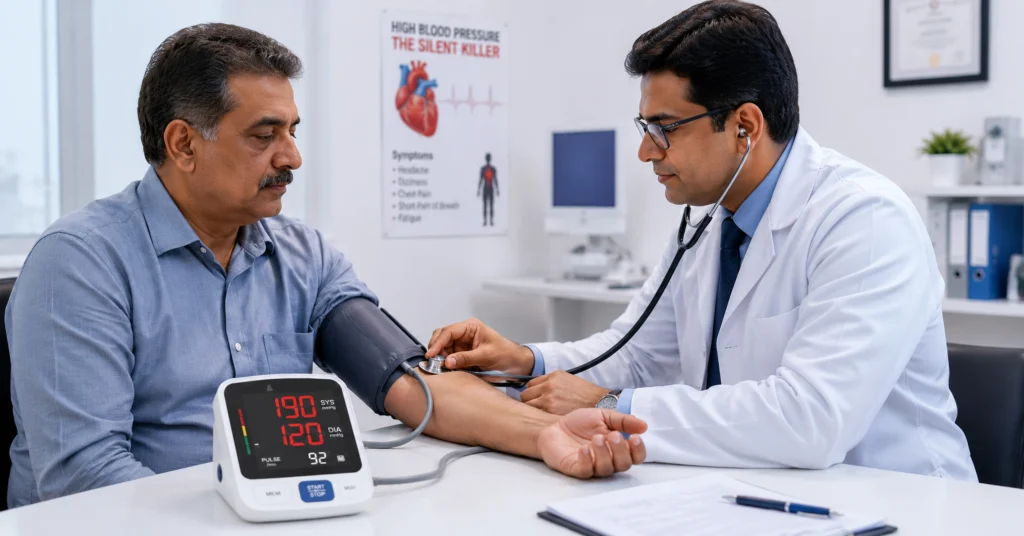
Living in the United Arab Emirates involves specific environmental, dietary, and lifestyle patterns that combine to raise cardiovascular risk across both South Asian and Arab expatriate communities.
Genetic Predisposition in Local Demographics
South Asian individuals carry a well-documented genetic vulnerability to elevated blood pressure and early onset cardiovascular complications. Research published in PMC on South Asian cardiovascular risk indicates that South Asians develop hypertension at younger ages and lower body weight thresholds than other populations.
They also face elevated rates of hypertension-related stroke and kidney disease. Arab populations similarly present high baseline genetic risk profiles. Because the UAE population largely consists of these groups, the baseline risk across the region is inherently high. This demographic risk profile underscores the necessity of early screening for high blood pressure.
Heavy Dietary Sodium Intake
Traditional cooking methods in South Asian and Arab households rely heavily on added salt across multiple stages of meal preparation, including marinations, slow-cooked gravies, and table condiments. Bottled sauces, instant seasonings, pickles, and commercial fast food carry dense hidden sodium loads. Excessive salt consumption is a major dietary factor that directly contributes to high blood pressure.
The UAE Ministry of Health and Prevention National Health and Nutrition Survey 2024 to 2025 identified excessive dietary salt consumption as a major national public health issue. While WHO sodium recommendations cap daily intake at less than 5 grams of salt, standard regional meal patterns routinely supply two to three times that recommended limit without the individual realizing it.
Chronic Expatriate Stress
The expatriate experience across Sharjah and the wider UAE presents distinct psychological pressures. Managing job-dependent residency, keeping pace with living costs, handling extended family obligations back home, and coping with frequent long-term transitions keep the body in a sustained stress response.
Chronic stress continuously activates the sympathetic nervous system and elevates circulating cortisol levels, directly driving up blood pressure over time. Chronic lifestyle stress is a primary contributor to the onset of high blood pressure.
Seasonal Physical Inactivity
Extremely high summer temperatures require residents to stay indoors for five to six months every year. Prolonged physical inactivity remains one of the strongest independent lifestyle contributors to high blood pressure.
Conversely, PMC research on exercise and hypertension demonstrates that maintaining regular aerobic physical activity lowers systolic blood pressure by an average of 5 to 8 mmHg.
Central Obesity and Metabolic Pressure
The UAE Ministry of Health and Prevention National Survey 2024 to 2025 revealed that 68 percent of adults in the country are classified as overweight or obese. Excess weight, particularly fat stored around the abdomen, directly increases cardiac workload. Achieving a healthy weight is one of the most effective strategies for avoiding high blood pressure.
It triggers inflammatory responses, alters kidney balance, and raises insulin resistance. Similar metabolic dynamics appear in conditions like PCOS weight gain UAE residents manage, where metabolic imbalances compound arterial stress.
Co-Existing Type 2 Diabetes
As detailed in our guide on diabetes UAE trends, approximately one in five adults living in the UAE manages type 2 diabetes. Diabetes and hypertension frequently occur together because they stem from shared metabolic and lifestyle factors. Managing blood glucose effectively also supports your cardiovascular system in resisting high blood pressure.
When both conditions are present, the combined strain on blood vessels multiplies the risk of kidney failure, vision loss, and heart attack.
Widespread Vitamin D Deficiency
Despite abundant sunlight, indoor lifestyle patterns lead to widespread deficiency across the region. As explained in our overview of vitamin D deficiency UAE concerns, insufficient vitamin D alters vascular flexibility and contributes to elevated baseline blood pressure. Correcting nutritional deficiencies can be a helpful supportive measure in managing high blood pressure.
What Elevated Pressure Is Doing Inside Your Body Right Now
Sustained hypertension acts like excess water pressure running through a delicate household pipe system. Over time, that continuous mechanical force weakens structural integrity and causes progressive damage to essential organ systems.
SILENT ORGAN TARGETS OF HYPERTENSION
[ Brain ] ——-> High Stroke Risk & Vascular Cognitive Loss
[ Eyes ] ——–> Retinal Vessel Damage & Vision Changes
[ Heart ] ——-> Left Ventricular Enlargement & Strain
[ Kidneys ] —–> Nephron Vessel Damage & Impaired Filtration
[ Arteries ] —-> Arteriosclerosis & Loss of Elasticity
Arterial Stiffening
Continuous high blood pressure forces the inner lining of your arteries to thicken and lose its elasticity. This hardening process, called arteriosclerosis, restricts smooth blood flow throughout the body.
It forces the cardiovascular system to pump against high resistance, increasing the danger of sudden vascular blockages or tears.
Cardiac Muscle Strain
Your heart muscle must contract with far greater force against elevated systemic pressure. Over time, this extra strain causes the muscular wall of the heart’s main pumping chamber to enlarge and stiffen, a condition called left ventricular hypertrophy. Cardiologists emphasize that left ventricular strain is closely linked to chronic high blood pressure.
PMC research on hypertension and cardiac damage notes that left ventricular hypertrophy is frequently present when a patient receives their first hypertension diagnosis. This structural change confirms that silent heart strain often begins long before a person experiences noticeable symptoms.
Progressive Kidney Micro-Damage
The kidneys process waste through millions of tiny blood vessels called nephrons, which are sensitive to high pressure. Chronic hypertension gradually damages these delicate filtration units, reducing the body’s ability to filter waste products from the bloodstream. Delicate kidney filtration systems are highly vulnerable to the forces of high blood pressure.
Because kidney tissue copes silently with loss of function, significant internal damage can occur before routine blood tests highlight a problem.
Brain and Vascular Risks
Hypertension stands as the primary modifiable risk factor for stroke worldwide. A WHO stroke and hypertension report indicates that elevated blood pressure accounts for approximately 54 percent of all stroke events globally.
Beyond acute stroke events, chronic unmanaged pressure damages micro-vessels in the brain, raising long-term risks for vascular cognitive decline.
Retinal Vessel Changes
The small blood vessels supplying the retina at the back of the eye are particularly vulnerable to high pressure. Hypertensive retinopathy occurs when these delicate micro-vessels leak, swell, or narrow.
Optometrists and ophthalmologists frequently spot early signs of unmanaged high blood pressure during routine eye examinations, well before the patient notices vision changes.
Evaluating Your Personal Risk Profile for High Blood Pressure
Your overall risk of developing high blood pressure while living in the UAE increases significantly if multiple items on the following list apply to your current situation:
- You belong to a South Asian or Arab ethnic background.
- You have a parent, sibling, or close relative with hypertension, early heart disease, or stroke history.
- You are aged 40 or older.
- You have been diagnosed with pre-diabetes or type 2 diabetes.
- You carry extra weight around your waistline.
- Your regular meals feature high salt levels, ready-made sauces, or processed foods.
- You currently smoke tobacco or have a history of regular smoking.
- Seasonal heat or desk-bound work limits your physical activity.
- You manage ongoing work, financial, or personal stress.
- You have experienced past elevated blood pressure readings that were never formally followed up.
The more of these criteria you meet, the more valuable a comprehensive clinical evaluation becomes.
An Evidence-Based Action Plan for Managing High Blood Pressure
Lowering blood pressure effectively involves targeted lifestyle improvements alongside appropriate clinical guidance.
Reducing Dietary Sodium Intake
Cutting down on sodium is one of the most effective non-prescription tools for improving arterial health. A PMC meta-analysis on sodium reduction shows that cutting daily dietary sodium by 2 grams leads to a meaningful reduction of roughly 2 to 3 mmHg in systolic blood pressure.
In practice, this means avoiding added salt at the table, using herbs and lemon juice for flavor, skipping instant sauces, and buying fresh ingredients. Adjusting your meal plans around home-cooked food options, similar to strategies outlined in our guide on safe eating during Eid in UAE, helps control sodium levels without sacrificing food quality.
Adopting the DASH Eating Pattern
The Dietary Approaches to Stop Hypertension (DASH) diet is one of the most thoroughly researched eating plans for blood pressure management. Guidelines from the NHLBI indicate that adopting the DASH pattern can reduce systolic blood pressure by 8 to 14 mmHg in individuals with hypertension.
For residents in the UAE, implementing DASH principles means prioritizing whole grains, vegetables, lentils, chickpeas, and lean proteins while reducing processed snacks and heavy meat curries. Simple meal adjustments include switching to brown basmati rice, opting for lentil-based dishes, and drinking water or unsweetened tea instead of sugary beverages.
Maintaining Regular Indoor Activity
Aiming for 150 minutes of moderate aerobic exercise each week helps maintain flexible arterial walls. During hot UAE summer months, indoor options work well.
Brisk walking inside air-conditioned shopping malls, using indoor treadmills or stationary bikes, or swimming in climate-controlled pools all provide effective physical activity. A regular 20-minute evening walk can help lower post-meal blood pressure spikes.
Achieving Sustainable Weight Reduction
Losing excess weight provides direct pressure relief for your heart. For every kilogram of body weight lost, systolic blood pressure typically drops by approximately 1 mmHg.
If a person carrying 10 kilograms of extra weight achieves a realistic 5 to 7 percent body weight reduction, that change alone can lower elevated readings into a far safer range.
Managing Stress and Prioritizing Sleep
Calming the body’s automatic stress response helps reduce continuous high cortisol levels. Engaging in structured physical exercise, maintaining consistent sleep habits, staying connected with family and friends, and practicing basic breathing techniques help relax tight blood vessels over time.
Medical Therapies When Warranted
When lifestyle improvements alone do not bring elevated numbers down to target levels, clinicians prescribe blood pressure medication. Standard pharmaceutical options include ACE inhibitors, ARBs, calcium channel blockers, and thiazide diuretics.
Taking medication is not a failure of self-care. It is a proven medical tool that protects your kidneys, heart, and brain from silent structural damage while you work on long-term lifestyle habits.
| Health Strategy | Clinical Evidence | Expected Systolic Reduction | UAE Practical Steps |
| Sodium Reduction | Very Strong | 2 to 3 mmHg drop | Cook with fresh herbs; avoid bottled sauces and pickles |
| DASH Diet Plan | Very Strong | 8 to 14 mmHg drop | Increase vegetable and legume intake; reduce processed meats |
| Aerobic Activity | Strong | 5 to 8 mmHg drop | Utilize indoor walking spaces and gyms for 150 min/week |
| Weight Loss (5–10%) | Strong | 5 to 20 mmHg drop | Focus on sustainable calorie deficits and portion control |
| Stress Reduction | Moderate | 2 to 4 mmHg drop | Maintain steady sleep schedules and daily relaxation |
| Clinical Medication | Very Strong | Target-adjusted | Take prescribed doses consistently under GP oversight |
Why Regular Blood Pressure Tracking Matters
Blood pressure naturally fluctuates throughout the day in response to daily tasks, emotional stress, physical movement, and sleep quality. A single reading taken in a clinic offers just a momentary snapshot of your overall vascular health.
Tracking your blood pressure at home using a validated upper-arm monitor provides a clearer picture of your daily baseline. For adults diagnosed with high blood pressure, taking measurements twice daily—once in the morning before breakfast and medication, and once in the evening—helps clinicians tailor treatment effectively.
Home measurements also help identify “white coat hypertension,” a common scenario where anxiety in a clinic setting temporarily raises blood pressure above your normal everyday baseline.
RECOMMENDED HOME TRACKING ROUTINE
MORNING CHECK:
* Take within 30 minutes of waking
* Rest quietly for 5 minutes before reading
* Complete before taking morning medication or eating
EVENING CHECK:
* Complete before dinner or night medication
* Avoid caffeine, exercise, or smoking 30 min prior
* Record both numbers in a tracking log for your GP
Practical Local Considerations for Managing Health
Managing high blood pressure effectively in the UAE involves paying attention to daily routines and local seasonal factors.
Managing Medication During Ramadan
Adjusting or stopping prescribed blood pressure medications while fasting during Ramadan without medical advice carries significant health risks. Blood pressure therapies must be maintained continuously throughout the month.
Your clinician can adjust your dosage times to align safely with your Suhoor and Iftar meals. Because traditional Iftar spreads often feature foods high in sodium and carbohydrates, keeping portions moderate and monitoring readings at home helps prevent blood pressure spikes.
Heat and Seasonal Transitions
Transitioning between air-conditioned indoor spaces and intense summer heat causes blood vessels to dilate rapidly. If you take blood pressure medication, this shift can occasionally cause lightheadedness or sudden dizziness.
Staying well-hydrated throughout the day helps keep blood volume stable. If your home readings show lower numbers during summer months, speak with your doctor before making any changes to your prescribed dosage.
Comprehensive Screening Options
Screening for high blood pressure is simple, efficient, and widely accessible. Our Basic Health Package AED 99 includes blood pressure evaluations along with comprehensive blood tests for glucose levels, cholesterol profiles, and kidney function markers.
This multi-system checkup provides a complete overview of your underlying cardiovascular health.
When to Schedule a Clinical Assessment
You should schedule a clinical review with our General Physician team if any of the following situations match your current routine:
- You have not had your blood pressure measured by a healthcare professional in over twelve months.
- A previous medical check revealed elevated numbers, but you never scheduled a follow-up assessment.
- You have an immediate family history of hypertension, early stroke, or heart attack.
- You experience frequent dull headaches toward the back of your head, particularly upon waking.
- You manage pre-diabetes, type 2 diabetes, or metabolic challenges.
- You notice unexplained episodes of lightheadedness, shortness of breath, or fatigue during daily tasks.
- You stopped taking previously prescribed blood pressure medication because you felt fine.
A thorough blood pressure evaluation takes only a couple of minutes during a GP consultation, making it a simple step toward protecting your long-term health.
Book a Blood Pressure Check at ESMC Sharjah
Frequently Asked Questions
What blood pressure reading is considered dangerous in the UAE?
A reading that consistently reaches or exceeds 140/90 mmHg is classified as Stage 2 hypertension and requires clinical evaluation. If your reading exceeds 180 mmHg systolic or 120 mmHg diastolic, it indicates a potential hypertensive crisis. You should rest for five minutes and re-test. If the numbers remain elevated, seek immediate medical assessment even if you feel completely fine.
Can high blood pressure be cured or does it require lifelong management?
Primary hypertension is generally a long-term health condition that is managed rather than permanently cured. While lifestyle modifications like weight loss, salt reduction, and exercise can bring high numbers back into a healthy range, stopping those habits usually causes blood pressure to rise again. Consistent daily tracking and clinical care help ensure your vascular system remains protected over time.
Why do I feel completely fine if my blood pressure is high?
The human body adapts to elevated arterial pressure without triggering early pain or physical warning signals. Organs like your heart, kidneys, and blood vessels experience progressive mechanical stress behind the scenes while you feel perfectly normal. That lack of warning signs is why routine screening is essential for early detection.
Can daily emotional stress alone cause high blood pressure?
Stress triggers temporary surges in blood pressure by releasing hormones that narrow your blood vessels and speed up your heart rate. While short spikes are normal, dealing with unmanaged chronic stress keeps these stress pathways active over long periods. Combined with poor sleep or dietary salt, continuous stress contributes directly to sustained hypertension.
What is the difference between white coat hypertension and true hypertension?
White coat hypertension occurs when your blood pressure readings spike at a clinic due to temporary anxiety, but stay normal in daily life. True hypertension means your blood pressure remains elevated across all environments, including at home. Clinicians often request home monitoring logs to distinguish between the two before recommending treatment.
Will I need to take blood pressure medication for the rest of my life?
Not always, though many individuals do benefit from long-term therapy. If your baseline pressure is mildly elevated, committing to lifestyle improvements can lower your numbers enough to avoid medication. If medication is necessary, achieving major improvements in weight, diet, and physical activity may allow your doctor to safely lower your dosage over time.
Can I manage high blood pressure through diet and exercise alone?
Diet and exercise changes can manage Stage 1 hypertension effectively if your overall cardiovascular risk remains low. However, if your readings fall into Stage 2 hypertension, or if you also manage conditions like diabetes or kidney disease, lifestyle adjustments alone may not provide enough protection. In those situations, combining daily health habits with prescribed medication yields the safest results.
How does elevated blood pressure damage kidney function over time?
High arterial pressure damages the delicate micro-vessels inside your kidneys, reducing their ability to filter toxins and extra fluid from your blood. As kidney function gradually declines, waste builds up in the body, which in turn drives blood pressure even higher. Because early kidney damage causes no symptoms, regular screening is key to catching changes early.
Is high blood pressure hereditary across family generations?
Yes, family history plays a strong role in your baseline risk for hypertension. If your parents or siblings have high blood pressure or experienced early heart disease, your genetic susceptibility is higher. Knowing your family history allows you to take preventive action and monitor your numbers early.
Is it safe to fast during Ramadan while taking blood pressure medication?
Most patients with managed hypertension can fast safely during Ramadan with proper planning. However, you should never alter or stop your medication schedule on your own. Consult your general physician before Ramadan begins so they can align your doses safely with Suhoor and Iftar times.
Protecting Your Long-Term Vascular Health
High blood pressure does not wait for a convenient time to impact your health. It progresses quietly over the years, placing unnecessary strain on your heart, brain, and kidneys long before any noticeable warning signs appear.
Fortunately, hypertension is one of the most manageable conditions in modern medicine when caught early and monitored consistently. A quick blood pressure check at ESMC provides a clear starting point for taking control of your health.
Taking two minutes to check your numbers today helps safeguard your wellness for years to come.
Book Your Assessment Today At ESMC Sharjah
Visit us at Al Owais Building, Flat 206, Block A, Jaber Bin Hayan Street, Al Zahra Street, Maysaloon, Sharjah.
Open 8:00 AM to 11:30 PM daily.