High-Risk Pregnancy: What It Means, What You Can Do, and How to Stay Safe

Hearing the words “high-risk” during your pregnancy journey can feel overwhelming, but in the medical world, it doesn’t mean “high danger”—it means high attention. At ESMC, we view high risk pregnancy management as a proactive partnership. It is a specialized clinical classification that activates closer monitoring, advanced screenings, and tailored interventions to ensure the best possible outcome for both you and your baby. Whether you are navigating pre-existing conditions like chronic hypertension, or pregnancy-specific challenges like carrying twins, modern obstetric care has made it safer than ever to navigate these complexities. With early identification and a dedicated specialist team, the vast majority of high-risk pregnancies result in healthy deliveries. This guide outlines what to expect, the warning signs to watch for, and how our specialists provide the expert care you deserve. What is a high risk pregnancy? A high risk pregnancy is one in which medical, fetal, or pregnancy-related factors increase the likelihood of complications and require closer monitoring or specialist obstetric care. Hearing the words “high risk pregnancy” can feel overwhelming. Many parents immediately assume danger or poor outcomes. But medically, high-risk does not mean high-danger it means high-attention. According to global maternal health guidance from the World Health Organization (WHO), early identification and structured prenatal care significantly improve outcomes for both mother and baby. Millions of women safely navigate high-risk pregnancies every year with specialist monitoring, personalized care plans, and timely medical support. A high risk pregnancy is a clinical classification used when doctors identify factors that may increase the chance of complications for the mother, baby, or both. Rather than being a negative label, it activates closer monitoring, earlier interventions, and specialist-led care all of which significantly improve outcomes. Every year, millions of women around the world experience high-risk pregnancies and go on to deliver healthy babies. With modern obstetric care, advanced screening tools, and proactive management strategies, many risks can be reduced or safely managed. Conditions such as hypertension in pregnancy, multiple gestation, and maternal age and pregnancy risk factors are among the most common reasons pregnancies are classified as high-risk. Research consistently shows that early identification and specialist care are among the strongest predictors of positive outcomes. This guide from ESMC’s OB/GYN and maternity specialists explains: A high risk pregnancy is not a verdict. It is a call to action and the right care makes all the difference. What Is a High Risk Pregnancy? A pregnancy is classified as high-risk when maternal or fetal factors increase the likelihood of complications before, during, or after delivery. These pregnancies require closer monitoring or specialist-level care beyond routine prenatal management. Importantly, high risk pregnancy is not a single diagnosis. It is an umbrella term covering a wide range of medical situations, some existing before pregnancy and others developing during it. The goal is prevention, early detection, and safe management. What Makes a Pregnancy High-Risk? A pregnancy is considered high-risk when maternal or fetal factors increase the likelihood of complications during pregnancy, labor, or after delivery. Risk factors generally fall into three broad categories: 1. Pre-Existing Maternal Conditions Health conditions present before pregnancy may influence how the body adapts to pregnancy changes. Examples include: These patients often benefit from early high risk pregnancy consultation and individualized monitoring plans. 2. Pregnancy-Related Developments Some risks appear only after pregnancy begins, such as: These conditions require structured high risk pregnancy monitoring to detect changes early. 3. Pregnancy Characteristics Certain pregnancy features inherently increase risk, including: The Important Distinction Being classified as high-risk changes how your pregnancy is managed, not necessarily how it will end. At ESMC, high risk pregnancy OB/GYN specialists create individualized care plans designed to keep both mother and baby safe through proactive monitoring and timely intervention. ESMC’s Core High-Risk Specialties Effective high risk pregnancy management follows clinical recommendations from the Society for Maternal-Fetal Medicine (SMFM), which emphasize frequent monitoring, early risk identification, and individualized care planning. Preeclampsia and Hypertension in Pregnancy Preeclampsia is one of the most serious pregnancy complications. It involves elevated blood pressure combined with signs of organ stress most commonly affecting the kidneys and liver typically after 20 weeks of pregnancy. If untreated, it can progress rapidly and threaten both maternal and fetal health. Why It Matters Preeclampsia remains a leading contributor to maternal and perinatal complications worldwide when not detected early. However, outcomes improve dramatically with structured monitoring and early treatment. What ESMC Monitors Risk Reduction Focus Effective preeclampsia prevention during pregnancy may include: Understanding preeclampsia symptoms and treatment early allows faster intervention and safer outcomes. Multiple Pregnancies; Twins and Triplets A twin pregnancy or higher-order multiples naturally place greater physical demands on the mother and require specialized care. Why Multiple Pregnancies Are Higher Risk Risks may include: Because of these complexities, care by a multiple pregnancy specialist significantly improves outcomes. What ESMC Monitors Risk Reduction Focus For parents asking “twin pregnancy, what to expect?” The key difference is structured monitoring and proactive planning. Warning Signs Every High-Risk Patient Should Know Recognizing signs of high risk pregnancy complications early can be lifesaving. Signs Requiring Immediate Medical Attention Contact your care team or emergency services immediately if you experience: Do not wait for your next appointment. Signs That Require Prompt (Non-Emergency) Review In managing high risk pregnancy safely, caution is always the right approach. 6 Practical Ways to Actively Reduce Risk in a High Risk Pregnancy 1. Start Specialist Care Early Early referral to a high risk pregnancy OB/GYN or maternal-fetal medicine specialist provides more management options. Many preventive strategies, including low-dose aspirin therapy for preeclampsia, are most effective when started in the first trimester, as recommended by ACOG guidelines on preeclampsia prevention. Action: Seek specialist care as soon as risk factors are identified. 2. Attend Every Monitoring Appointment High-risk pregnancies rely on frequent monitoring as an early warning system. Serious conditions can progress silently between visits. Action: Treat appointments as essential medical care, even when you feel well. 3. Monitor Blood Pressure at Home Home monitoring adds an additional safety layer for patients with
Pre-Pregnancy Checkup in UAE: The Complete Checklist of Tests, Vaccines & Supplements

The moment you decide you want to start a family is one of the most exciting milestones of your life but it also comes with many questions: Where do I start? Am I healthy enough to conceive? What tests should I do before pregnancy? For many women in UAE, preconception care begins only after seeing a positive pregnancy test. However, medical experts agree that the most important appointment actually happens before conception. A pre-pregnancy checkup, also called preconception care, allows your OB/GYN to evaluate your health, identify risks early, update vaccinations, and start essential supplements before pregnancy begins. According to global recommendations from the American College of Obstetricians and Gynecologists and the World Health Organization, optimizing maternal health before conception significantly improves outcomes for both mother and baby. This is especially relevant across the UAE, where: The best prenatal care doesn’t start when you see two lines on a test. It starts the appointment before. In this complete guide, the OB/GYN team at ESMC Sharjah explains every test, vaccine, and supplement you should discuss before trying to conceive. What Is a Pre-Pregnancy Checkup and Why Does It Matter? A pre-pregnancy checkup is a dedicated medical consultation with an OB/GYN before attempting conception. The goal is simple: This type of pre-conception checkup UAE differs from a routine gynecology visit because it focuses entirely on pregnancy readiness. A pre-pregnancy or preconception checkup helps identify health risks before conception and prepares the body for a healthy pregnancy. International medical guidance also emphasizes preconception care as a key step in improving maternal outcomes.This proactive approach is the foundation of effective preconception care. Why First-Time Mothers Especially Need It Women planning their first pregnancy in UAE often have no prior pregnancy history to guide care. A pre-pregnancy evaluation helps establish a baseline by identifying conditions that may otherwise go unnoticed, including: Many of these conditions show no symptoms but can affect fertility or early pregnancy outcomes. Early detection of these conditions is a primary goal of preconception care. What Happens at a Pre-Pregnancy Appointment at ESMC UAE At ESMC’s OB/GYN clinic in Sharjah, a pre-conception consultation typically includes: Book your consultation at esmc.co to begin your pre-pregnancy health journey in UAE. Our specialists are dedicated to providing the highest standard of preconception care. Pre-Pregnancy Blood Tests & Hormonal Panels; What to Ask For Why Blood Tests Come First Blood testing provides objective medical insight that symptoms alone cannot reveal. Many fertility-related conditions are silent until detected through laboratory testing. This makes pre-pregnancy blood tests one of the most important steps before conception. Accurate laboratory testing is a critical component of preconception care. Core Pre-Pregnancy Blood Tests Full Blood Count (FBC) Blood Group & Rhesus Factor Thyroid Function Tests (TSH, Free T3, Free T4) Fasting Blood Sugar & HbA1c Vitamin D Level (25-OH Vitamin D) Vitamin D deficiency pregnancy UAE cases remain high. Low levels are linked with: Testing before supplementing ensures correct dosing. Iron Studies Rubella IgG Antibody These screenings form the medical baseline for preconception care. Hormonal Panel What It Reveals A hormonal panel before pregnancy may include: At ESMC Sharjah, testing is personalized rather than one-size-fits-all. Understanding your hormonal health is essential for successful preconception care. Pre-Pregnancy Vaccines and Preconception Care: What You Need Before Conceiving Why Vaccination Timing Matters Some vaccines cannot be given during pregnancy making the pre-conception period critical. Guidelines from the UAE Ministry of Health and Prevention emphasize reviewing vaccination status before conception. Vaccines to Review Before Pregnancy MMR (Measles, Mumps, Rubella) Varicella (Chickenpox) Hepatitis B Influenza Vaccine COVID-19 Vaccine Tdap Booster ESMC Sharjah can review records, perform immunity testing, and administer required vaccines during your visit. Maintaining an up-to-date immunization record is a vital step in preconception care. Pre-Pregnancy Supplements and Preconception Care: What to Start, When and Why Why Supplements Should Start Before Conception Core Pre-Pregnancy Supplement Checklist Folic Acid (400–800 mcg) Vitamin D Iron Iodine Omega-3 (DHA) Prenatal Multivitamin Your OB/GYN at ESMC Sharjah will customize supplements based on blood results. Nutritional optimization is a key pillar of professional preconception care. Genetic Screening & Counseling Should You Consider It? What Is Pre-Pregnancy Genetic Screening? Genetic carrier screening identifies inherited conditions couples may unknowingly carry. Common conditions screened include: Identifying hereditary risks is a modern requirement of preconception care. Why It Matters in the UAE Carrier rates for thalassemia remain significant across Gulf populations. While UAE premarital screening exists, pre-conception genetic counseling provides deeper understanding and planning. Genetic screening before pregnancy UAE is especially recommended if: What Happens After Screening? If carrier status is detected, ESMC’s Sharjah specialists provide: Families in Sharjah benefit significantly from integrated preconception care. Your Complete Pre-Pregnancy Checklist At a Glance Blood Tests Vaccines Supplements Genetic Screening Use this checklist to guide your journey toward expert preconception care. FAQs Where can I get a preconception care in UAE? ESMC offers dedicated pre-pregnancy checkup appointments covering blood tests, vaccine review, supplement planning, and genetic counseling. Visit esmc.co to book. How early before trying to conceive should I book? Ideally 3–6 months before conception to allow time for vaccinations, correcting deficiencies, and establishing folic acid supplementation. Is a pre-pregnancy checkup covered by insurance in the UAE? Coverage varies by provider. ESMC Sharjah can help prioritize essential tests depending on your insurance plan. Do I need genetic screening before my first pregnancy? It is strongly recommended in the UAE, especially for couples with family history or Gulf heritage due to higher carrier prevalence. Can my partner attend the consultation? Yes. Couples are encouraged to attend together especially for genetic screening discussions. What is the difference between a pre-pregnancy checkup and a regular gynecology visit? A routine visit treats current concerns, while a pre-conception consultation focuses entirely on preparing your body for pregnancy through testing, vaccines, and prevention planning. Conclusion Starting your pregnancy journey with a pre-pregnancy health check UAE replaces uncertainty with clarity. For women planning pregnancy in UAE, one dedicated appointment can provide: The OB/GYN and maternity specialists at ESMC Sharjah offer comprehensive pre-pregnancy consultation packages all in one place. Visit esmc.co/blog/pre-pregnancy-checkup-uae and book your
Pregnancy Trimester Guide: Diet, Travel & Prenatal Care in UAE

Prenatal care is a remarkable 40-week journey divided into three distinct biological phases known as trimesters. Each trimester brings unique developmental milestones for the baby and different physical and emotional changes for the mother. What feels safe and manageable in week 8 may not be appropriate or even advisable by week 32. While most expecting mothers receive general prenatal advice, practical guidance about everyday activities, what to eat, whether to travel, how to exercise safely, and how to manage work responsibilities is often scattered across multiple sources and difficult to apply in real life. Medical research shows that many pregnancy complications are influenced by modifiable lifestyle factors such as nutrition, physical activity, stress levels, and workplace exposure. At the same time, many women continue working, traveling, and staying active throughout pregnancy without clear trimester-specific direction. This pregnancy trimester guide, developed with insights aligned with OB/GYN best practices and maternity specialists at ESMC, provides a clear, medically informed breakdown of Prenatal Care by trimester helping you make confident daily decisions throughout your pregnancy. Understanding the Three Trimesters and Prenatal Care: Why Each Stage Is Different A Quick Clinical Overview First Trimester (Weeks 1–12)This phase involves rapid embryonic development. Major organs begin forming, hormones fluctuate dramatically, and miscarriage risk is highest. Fatigue and nausea are common. Maintaining balanced nutrition during this early stage is especially important, in line with WHO pregnancy nutrition recommendations. Second Trimester (Weeks 13–26) Often called the “golden period,” energy levels improve, nausea typically subsides, and fetal growth accelerates. Many women feel physically strongest during this phase. Third Trimester (Weeks 27–40) Physical demands peak as the baby grows rapidly. Cervical changes begin, sleep may become difficult, and risks such as preterm labor increase. Travel and activity flexibility gradually narrows. Why One-Size Advice Doesn’t Work Pregnancy advice must evolve with physiology. A long flight, intense workout, or demanding work schedule carries very different risks depending on gestational age. Think of pregnancy like a book with three chapters. The same story continues, but entirely different events unfold in each section. Understanding these changes allows expecting mothers to avoid unnecessary restrictions while still taking important precautions. Adapting your routine ensures you receive the most effective Prenatal Care for your current stage. First Trimester Do’s and Don’ts (Weeks 1–12) Diet & Nutrition The first trimester lays the foundation for organ development, making nutrition especially critical. Do’s These practices form the basis of a strong pregnancy nutrition guide early in gestation. Don’ts These practices form the basis of a strong pregnancy nutrition guide early in gestation. Maintaining these habits is a vital component of early Prenatal Care. Travel Safety Many women worry about travelling early in pregnancy. Pregnant travelers should review CDC travel guidance for pregnant travelers before planning international trips. Do’s Don’ts Following these rules supports safe travel while pregnant, even in early weeks. Safety should always remain the top priority in your Prenatal Care routine. Exercise & Fitness Physical activity remains beneficial but requires adjustment. Do’s Don’ts Use the “talk test”: if you can comfortably speak while exercising, intensity is appropriate. Low-impact movement is highly recommended for consistent Prenatal Care. Work & Productivity Fatigue peaks during this trimester due to hormonal changes. Do’s Don’ts These adjustments support pregnancy workplace safety from the start. Professional adjustments are a necessary part of comprehensive Prenatal Care. Second Trimester Do’s and Don’ts (Weeks 13–26) Diet & Nutrition Energy needs increase as fetal growth accelerates. Do’s This phase is crucial for maintaining a balanced pregnancy diet by trimester. Don’ts This phase is crucial for maintaining a balanced pregnancy diet by trimester. Proper nourishment is a cornerstone of second-trimester Prenatal Care. Travel Safety The second trimester is widely considered the safest travel window. Do’s Don’ts This period is ideal for planned travel when following travel safety during pregnancy recommendations. Enjoying your travels is easier when integrated into your Prenatal Care plan. Exercise & Fitness With improved energy levels, activity can expand safely. Do’s Don’ts Staying active helps maintain the momentum of your Prenatal Care journey. Work & Productivity Many women feel most productive during this trimester. Do’s Don’ts Managing workload carefully supports healthy working during pregnancy practices. Efficient planning is a key element of organized Prenatal Care. Expert Prenatal Care in UAE Every pregnancy journey is unique and deserves specialized attention. At Erum Saba Medical Center (ESMC), our maternity specialists and OB/GYN team provide comprehensive antenatal care tailored to your specific trimester needs. From early prenatal monitoring to late-stage growth scans, we ensure the health and safety of both mother and baby in a comfortable, professional environment. Ready to book your appointment? Whatsapp: https://wa.me/971506659064 Third Trimester Do’s and Don’ts (Weeks 27–40) Diet & Nutrition Nutritional priorities shift toward sustaining maternal energy and preparing for delivery. Do’s Don’ts Focusing on nutrition supports the final stages of your Prenatal Care. Travel Safety Travel flexibility becomes more limited. Do’s Don’ts These precautions are essential for safe travel while pregnant late in gestation. Limiting travel ensures safer outcomes for your Prenatal Care objectives. Exercise & Fitness Movement remains beneficial but gentle according to ACOG prenatal fitness recommendations. Do’s Don’ts Gentle movements are the safest choice for late-stage Prenatal Care. Work & Productivity The final weeks require intentional pacing. Do’s Don’ts Maintaining pregnancy workplace safety becomes increasingly important as delivery approaches. Pacing yourself is essential for successful Prenatal Care before delivery. Practical Tips for Building Healthy Trimester-by-Trimester Habits Small, sustained adjustments often make the greatest difference. FAQs 1. Is it safe to fly during pregnancy? Flying is generally safe until 36 weeks in uncomplicated pregnancies. The second trimester is the most comfortable and safest travel window. Always consult your OB/GYN before booking any travel plans. 2. What foods should I completely avoid throughout pregnancy? Avoid raw or undercooked meat and eggs, unpasteurized dairy products, alcohol, high-mercury fish such as shark and swordfish, and deli meats unless heated thoroughly. Keep caffeine intake below 200 mg daily throughout all trimesters. 3. Can I continue my gym routine in the first trimester? Yes, with modifications. Avoid high-impact sports, contact activities, and overheating. A good rule of thumb is the talk test — if you can
Best Pediatrician in UAE: What Parents Should Look For

Finding the best pediatrician in UAE is one of the most important decisions parents make for their child’s long-term health. From the very first newborn visit to teenage years, a trusted pediatrician becomes your partner in monitoring growth, preventing illness, and supporting your child’s physical and emotional development. This partnership starts with identifying the best pediatrician. At Erum Saba Medical Center, families across UAE trust our experienced pediatric team for compassionate, specialist-led care that grows with your child. In this guide, we help you understand what to look for in a pediatrician in UAE, what services matter most, and why ESMC is a top choice for pediatric care in the UAE. We strive to be the best pediatrician for your family’s needs. Best Pediatrician in UAE Choosing the right pediatrician is one of the most important decisions parents make for their child’s long-term health. From the first newborn visit to teenage years, a pediatrician becomes a trusted partner in monitoring growth, preventing illness, and supporting both physical and emotional development. For families in UAE, finding a reliable pediatrician in UAE who offers accessibility, experience, and comprehensive care is essential. At Erum Saba Medical Center, parents can access specialist-led pediatric services designed around modern family needs combining expert care, extended hours, and a family-centered environment in one convenient location. This guide will help parents understand how to choose the best pediatrician in UAE, what services matter most, and why the Pediatrics Department at Erum Saba Medical Center is trusted by families across UAE. Why Choosing the Right Pediatrician Is Crucial for Your Child Children’s healthcare is not limited to treating illness. A pediatrician plays a preventive role by tracking developmental milestones, monitoring immunity, advising on nutrition, and identifying concerns before they become serious. A qualified child doctor in UAE supports: These factors are essential when selecting the best pediatrician. According to the World Health Organization, regular pediatric check-ups significantly reduce childhood illness through early intervention and preventive care At Erum Saba Medical Center, pediatric care is designed to support children from newborn to adolescent care, ensuring continuity as your child grows. What to Look For in a Pediatrician When searching for the best pediatrician in UAE, parents should evaluate multiple factors beyond convenience. 1. Qualifications and Board Certification A pediatrician should be trained specifically in children’s health and follow international best practices. Board certification ensures up-to-date medical knowledge and adherence to child healthcare standards. The pediatricians at Erum Saba Medical Center are experienced in managing a wide range of pediatric conditions, from routine illnesses to developmental monitoring. Board certification is a hallmark of the best pediatrician. 2. Experience Across Different Age Groups Children’s health needs evolve rapidly. A reliable pediatrician should be skilled in: The Pediatrics Department at Erum Saba Medical Center provides continuous care from infancy through teenage years, allowing families to build long-term trust with their healthcare provider. 3. Communication With Parents and Children Parents need clear explanations, reassurance, and guidance especially first-time parents. Children need patience, warmth, and a non-intimidating environment. Erum Saba Medical Center emphasizes “compassionate, specialist-led care in a family-centered environment”, helping children feel comfortable and parents feel informed. Clear dialogue is a key trait of the best pediatrician. 4. Availability and Extended Hours Children often get sick outside typical clinic hours. Limited availability can cause unnecessary stress for parents. Erum Saba Medical Center is open from 8:00 AM to 11:30 PM, making it an ideal choice for: This extended availability is a key reason many parents consider it among the best pediatrician near Al Zahra Sharjah. 5. Hygiene, Safety, and Clinic Facilities Pediatric clinics must maintain high hygiene standards, child-safe equipment, and proper infection control especially during vaccination visits. Erum Saba Medical Center maintains clean, well-equipped facilities designed specifically for pediatric care. Safety standards are non-negotiable for the best pediatrician. Questions to Ask Before Choosing a Pediatrician Parents can use this checklist when evaluating a kids doctor in UAE: At Erum Saba Medical Center, pediatric care is integrated with gynecology and general medicine making it a true family healthcare destination. Pediatric Services You May Need A complete pediatric care UAE provider should offer preventive, diagnostic, and treatment services. Well-Child Check-Ups Routine check-ups monitor height, weight, vision, hearing, and developmental milestones. These visits are essential even when a child appears healthy. Vaccination Programs (UAE Schedule) Vaccinations protect children from serious and preventable diseases. Erum Saba Medical Center offers age-appropriate vaccinations according to recommended schedules, aligned with UAE health authorities.Vaccination services at Erum Saba Medical Center follow national health guidelines issued by the UAE Ministry of Health and Prevention (MOHAP), ensuring children receive age-appropriate vaccinations according to recommended schedules. Parents can learn more about UAE immunization guidelines. Sick Visits and Common Illness Treatment Children commonly experience: Walk-ins are welcome at Erum Saba Medical Center, ensuring timely care without delays. Growth and Development Monitoring Tracking physical growth and developmental milestones helps identify concerns early, allowing for timely intervention. School Health Certificates Medical fitness certificates, vaccination records, and school-required health documentation are available at Erum Saba Medical Center. Nutritional Counseling Nutrition plays a vital role in immunity and development. Pediatricians guide parents on: Dietary guidance is provided by the best pediatrician. Common Childhood Health Concerns: Pediatrician or Emergency? Parents often struggle to decide when to seek routine care versus emergency treatment. Visit a Pediatrician If Your Child Has: Seek Emergency Care If Your Child Has: With extended hours until 11:30 PM, Erum Saba Medical Center provides reassurance for parents needing urgent but non-emergency care. Timely access is a priority for the best pediatrician. Why Choose Erum Saba Medical Center for Pediatric Care Families looking for the best pediatrician in UAE choose Erum Saba Medical Center because it combines expertise, accessibility, and comprehensive family care. The Pediatrics Department at Erum Saba Medical Center is supported by experienced pediatricians who provide continuous care from newborn stage through adolescence. Parents can view the pediatricians on staff, including Dr. Fatima Shahid, a pediatric specialist known for her compassionate and family-centered approach to child healthcare. Key Benefits Convenient Location in Sharjah Erum
Prenatal Ultrasound Scans in UAE: What to Expect During Pregnancy

Every expecting mother wants to know her baby is growing healthy and strong. Pregnancy ultrasound scans are one of the most important tools in pregnancy care, giving doctors and parents a clear picture of the baby’s development at every stage. For mothers-to-be in UAE, getting reliable, specialist-led pregnancy ultrasound scans in UAE has never been easier. At Erum Saba Medical Center, our on-site Radiology Department offers same-day scans, integrated specialist care, and comprehensive antenatal packages, all under one roof so you never have to visit multiple centers or wait for results. Why Pregnancy Ultrasound Scans Are Essential Pregnancy is an exciting journey, but it also comes with many questions and concerns. One of the most important tools for ensuring a healthy pregnancy is the pregnancy ultrasound scan. Ultrasound allows doctors to see the baby’s growth, detect any abnormalities, and monitor overall development, giving expectant mothers peace of mind. For mothers-to-be in Sharjah, Erum Saba Medical Center offers comprehensive antenatal care with an on-site Radiology Department, making the process simple, safe, and convenient. With same-day scans, specialist-led care, and comprehensive antenatal packages, you don’t need referrals or multiple appointments at different centers. Types of Pregnancy Ultrasound Scans Understanding the different types of pregnancy ultrasound scans can help you know what to expect and why each is important. 1. Dating Scan (6–12 Weeks) At Erum Saba Medical Center, the Radiology Department ensures you get clear images and a detailed explanation of your baby’s development from Dr. Erum Saba, specialist gynecologist with antenatal care expertise. 2. Nuchal Translucency (NT) Scan (11–14 Weeks) Preparation Tip: Have a comfortably full bladder for best imaging. 3. Anomaly Scan (18–22 Weeks) Tip for Parents: Bring a partner or family member; seeing the baby can be an emotional and bonding experience. 4. Growth Scan (28–36 Weeks) Trimester-by-Trimester Scan Guide Prenatal scans are an essential part of antenatal care, recommended by global health organizations such as WHO Trimester Weeks Scan Type Purpose & Benefits 1st 6–12 Dating Scan Confirms pregnancy, checks for multiples, estimates due date 1st 11-14 NT Scan Chromosomal screening, early detection of abnormalities 2nd 18-22 Anomaly Scan Checks organs, structure, and placenta, ensures fetal health 3rd 28-36 Growth Scan Tracks weight, amniotic fluid, and placenta function Pro Tip: The Radiology Department at Erum Saba Medical Center ensures that all scans are integrated into your antenatal care plan, reviewed by specialists, and delivered on the same day whenever possible. What to Expect During Your Pregnancy Ultrasound Scan 1. Preparation Tips 2. During the Procedure 3. Results & Follow-Up Erum Saba Medical Center’s Radiology Department enables same-day scans, reducing stress and ensuring continuity of care for expectant mothers. Why Choose Erum Saba Medical Center for Pregnancy Ultrasound Scans On-Site Radiology Integrated Care Same-Day Convenience Extended Hours Comprehensive Antenatal Packages Specialist-Led Care Patients often highlight the convenience, emotional reassurance, and expert care as reasons for choosing Erum Saba Medical Center over other facilities in Sharjah. Tips for a Stress Free Ultrasound Experience Booking Your Scan Booking a package ensures comprehensive care, continuity with the same specialists, and peace of mind throughout your pregnancy. The Advantage of Integrated Care Choosing Erum Saba Medical Center means you benefit from: Integrated care ensures that any concerns raised during an ultrasound can be immediately addressed, providing confidence and reassurance to expectant mothers. Pregnancy ultrasound scans are an essential part of pregnancy, helping monitor growth, detect complications, and strengthen the bond between parents and baby. With Erum Saba Medical Center’s Radiology Department, expectant mothers in Sharjah can enjoy: Book your Antenatal Care Profile today at Erum Saba Medical Center to ensure a safe, reassuring, and fully supported pregnancy journey. Call +971506659064 or book online via ESMC website. Erum Saba Medical Center’s Radiology Department enables same-day scans, giving mothers peace of mind while receiving expert, specialist-led care. Frequently Asked Questions 1. Is ultrasound safe for the baby? Yes, pregnancy ultrasound is completely safe when performed by certified professionals. It is non-invasive and uses sound waves rather than radiation, making it safe for both mother and baby at every stage of pregnancy. 2. How many scans do I need during pregnancy? Typically 3 to 5 scans are recommended throughout pregnancy. The exact number depends on your pregnancy risk factors and your doctor’s recommendations. These usually include a dating scan, NT scan, anomaly scan, and growth scan. 3. Do I need a referral for a pregnancy ultrasound at ESMC? No referrals are needed. Erum Saba Medical Center offers same-day scans for all patients directly without the need for a referral from another facility. 4. What happens if an abnormality is found during the scan? Specialist gynecologists at ESMC provide immediate counseling and a clear plan for further care or intervention. You will never be left without guidance or support. 5. Are scans included in antenatal packages at ESMC? Yes. The Antenatal Care Profile package at ESMC includes all essential scans including dating, NT, anomaly, and growth scans to ensure comprehensive monitoring throughout your pregnancy. 6. How long does each prenatal scan take? Dating and NT scans take approximately 10 to 20 minutes. The anomaly scan takes 20 to 30 minutes and the growth scan takes 15 to 25 minutes depending on the baby’s position and imaging clarity. 7. When will I receive my scan results? Most results are available immediately. Dr. Erum Saba reviews and explains findings during or shortly after your appointment, ensuring you leave with full clarity and peace of mind. 8. How should I prepare for my pregnancy ultrasound? For early pregnancy scans between 6 and 14 weeks, a full bladder is recommended for better imaging. After 20 weeks, an empty bladder is often preferred for comfort. Wear loose clothing and avoid applying lotion to your belly before the scan. Book Your Prenatal Scan at ESMC Sharjah Today! Same-day scans, specialist-led care, and on-site radiology — all under one roof. Book your antenatal scan appointment at ESMC Sharjah now. Book an Appointment
Best Gynecologist in UAE: How to Choose the Right Doctor for Your Needs

Finding the best gynecologist in UAE is one of the most important healthcare decisions a woman can make. Whether you are looking for routine check-ups, pregnancy care, fertility support, or treatment for complex gynecological conditions, having the right specialist by your side makes all the difference. For many women, the journey to wellness starts with finding the best gynecologist in UAE. At Erum Saba Medical Center, women across UAE trust our experienced team of gynecologists for compassionate, specialist-led care at every stage of life. In this guide, we help you understand what to look for when choosing the best gynecologist in UAE and why ESMC continues to be a leading choice for women’s health in the UAE. Why Finding the Right Gynecologist Matters Choosing the best gynecologist in UAE is one of the most important healthcare decisions a woman can make. According to the World Health Organization (WHO) Women’s Health guidelines, regular gynecological check-ups and access to specialized care are essential for early detection and management of reproductive health issues. From routine check ups to pregnancy, fertility concerns, and complex gynecological conditions, a gynecologist plays a central role in a woman’s physical, emotional, and reproductive well being. Women need a doctor who not only has strong medical expertise but also understands their concerns, listens carefully, and provides guidance with empathy and professionalism. Prioritizing your health means seeking advice from the best gynecologist in UAE. In a growing city like Sharjah, where healthcare options are expanding rapidly, finding the right gynecologist in Sharjah can feel overwhelming. Many women search online with one key question in mind: Who is the best gynecologist in UAE for my needs? This guide is designed to answer that question clearly and confidently, while helping you understand what truly matters when choosing a gynecologist. This article also highlights why Erum Saba Medical Center has become a trusted name in women’s healthcare, showcasing the expertise of Dr. Erum Saba and Dr. Sanjeeda Ehsan, and explaining the comprehensive gynecology services available at the center. What to Look For in the Best Gynecologist in UAE When choosing the best gynecologist in UAE, it’s important to ensure that the doctor follows UAE Ministry of Health guidelines for antenatal care, high-risk pregnancy management, and women’s health standards. This ensures that the care you receive is aligned with local regulations and international best practices. Here are the most important factors every woman should consider: 1. Qualifications and Experience A highly qualified gynecologist should have recognized medical credentials, continuous training, and hands-on experience in managing both routine and complex cases. Experience is especially critical in areas such as high-risk pregnancy, infertility, and gynecological surgery. At Erum Saba Medical Center, patients benefit from specialist-led care. Dr. Erum Saba brings 10+ years of UAE experience, offering deep understanding of local patient needs and international medical standards. Dr. Sanjeeda Ehsan, an experienced OB/GYN specialist, complements this expertise with a strong clinical background in obstetrics and gynecology. 2. Range of Services The best gynecologist in UAE should offer comprehensive services under one roof. Women’s healthcare needs change throughout life, from adolescence to pregnancy, menopause, and beyond. A leading gynecologist in UAE should provide: Erum Saba Medical Center stands out because it offers all these services in one place, ensuring continuity of care and patient convenience. 3. Location and Accessibility Healthcare should be easy to access, especially during pregnancy or emergencies. A centrally located clinic with good connectivity is essential. Erum Saba Medical Center is located at Al Zahra Street, Mayasaloon, Sharjah, a well-known and easily accessible area close to Al Zahra Sharjah. This prime location makes it convenient for women across Sharjah to visit without unnecessary travel stress. 4. Clinic Hours and Availability Flexible clinic hours are crucial, particularly for working women and families. Extended hours allow patients to schedule appointments without disrupting daily responsibilities. Erum Saba Medical Center operates from 8:00 AM to 11:30 PM, offering one of the most extended consultation windows for a gynecologist in UAE. 5. Facilities and Technology Modern facilities play a major role in accurate diagnosis and treatment. On-site diagnostic services reduce delays and improve patient outcomes. One of the major advantages of Erum Saba Medical Center is its Radiology Department on-site, allowing patients to receive scans and imaging services without visiting another facility. Choosing a facility with advanced diagnostic tools is a priority when seeking the best gynecologist in UAE. Questions to Ask Before Choosing a Gynecologist When searching for the best gynecologist in UAE, asking the right questions can help you make an informed decision. Here is a practical checklist: At Erum Saba Medical Center, these questions are answered with clarity and transparency. Patients receive compassionate, specialist-led care in a family-centered environment, ensuring trust and comfort at every stage. These questions help you identify the best gynecologist in UAE. Gynecology Services You May Need Every woman’s health journey is unique. The best gynecologist in UAE should be able to address a wide range of needs with expertise and sensitivity. According to the World Health Organization’s antenatal care guidelines, quality pregnancy care; including regular check‑ups, fetal monitoring, nutrition support, and risk screening, significantly improves maternal and newborn outcomes and contributes to a positive pregnancy experience. Antenatal Care Pregnancy care requires close monitoring, expert guidance, and emotional reassurance. Antenatal care UAE services at Erum Saba Medical Center include regular check-ups, fetal monitoring, nutritional counseling, and personalized pregnancy plans. The Antenatal Care Profile package is designed to support mothers throughout pregnancy with structured and affordable care. High Risk Pregnancy Conditions such as gestational diabetes, hypertension, multiple pregnancies, or previous pregnancy complications require specialized attention. High risk pregnancy UAE services at Erum Saba Medical Center are led by experienced specialists who prioritize both maternal and fetal safety. Infertility Care Struggling to conceive can be emotionally challenging. A compassionate and skilled gynecologist in UAE can make a significant difference. Erum Saba Medical Center provides infertility evaluation, hormonal assessments, and tailored treatment plans to support couples on their fertility journey. PCOD Treatment Polycystic Ovary Disease
Understanding Infertility: When to Seek Help and What to Expect

Infertility is a deeply personal experience that affects more couples than many realize. Whether you have been trying to conceive for months or are just beginning to ask questions, seeking timely infertility treatment in UAE can make a meaningful difference in your journey toward parenthood. At Erum Saba Medical Center, we understand that infertility is both a medical and emotional challenge. As a trusted women’s health center in Sharjah, our team combines evidence-based fertility care with compassion, confidentiality, and personalized support to help you take the right steps at the right time. Choosing the right path is crucial for effective infertility treatment. Understanding Infertility Infertility is a medical condition that affects many individuals and couples, yet it is often misunderstood or delayed in seeking care. While conversations around fertility can feel deeply personal, timely medical guidance plays a crucial role in identifying concerns early and improving the chances of successful outcomes. At Erum Saba Medical Center, we recognize infertility as both a medical and emotional experience. As a comprehensive women’s health center in Sharjah, our approach combines evidence based medical care with compassion, confidentiality, and patient education. Expert guidance is a hallmark of professional infertility treatment. This article aims to explain what infertility is, when to seek professional help, common causes, diagnostic steps, treatment options, and the support available at Erum Saba Medical Center. What Is Infertility? According to the World Health Organization (WHO), Infertility is clinically defined as the inability to achieve pregnancy after one year of regular, unprotected sexual intercourse. For women aged 35 and above, medical evaluation is recommended after six months, as fertility naturally declines with age. Infertility can affect: It is important to understand that infertility is a medical condition, not a personal failure, and many causes are treatable with appropriate care. Understanding these factors is the first step toward successful infertility treatment. When Should You Seek Help for Infertility? Early consultation with a fertility specialist is advised in the following situations: Consulting a specialist through the gynecology department at ESMC can help identify underlying causes early and improve treatment outcomes. Timely intervention often leads to better outcomes for infertility treatment. Common Causes of Infertility in Women Female infertility can arise from several factors, often related to ovulation, reproductive anatomy, or hormonal balance. Identifying these causes is essential for personalized infertility treatment. Ovulation Disorders Conditions such as Polycystic Ovary Syndrome (PCOS) are among the most common causes of infertility. They interfere with regular egg release, making conception unpredictable. Regular monitoring is a component of modern infertility treatment. Hormonal Imbalances Disruptions in thyroid hormones, prolactin levels, or progesterone can affect ovulation, implantation, and pregnancy maintenance. Hormonal stability is vital for effective infertility treatment. Tubal Factors Blocked or damaged fallopian tubes, often caused by pelvic inflammatory disease, infections, or prior surgery, can prevent the egg and sperm from meeting. Surgical or medical solutions are often required for infertility treatment. Uterine Conditions Fibroids, polyps, adhesions, or structural abnormalities of the uterus may affect implantation or increase miscarriage risk. Structural health plays a major role in infertility treatment. Age-Related Fertility Decline Egg quality and quantity decrease with age, particularly after 35, affecting both conception and pregnancy outcomes. Age is a significant factor considered during infertility treatment. Common Causes of Infertility in Men Male infertility contributes to approximately 40–50% of infertility cases, making male evaluation an essential part of fertility assessment. Common male factors include: At ESMC, fertility evaluation always includes both partners to ensure accurate diagnosis and effective treatment. Evaluating both partners ensures a comprehensive approach to infertility treatment. The Initial Fertility Evaluation Process The fertility assessment process is structured, confidential, and patient-focused. For Women, Initial Evaluation May Include: For Men, Evaluation May Include: The goal of testing is to identify treatable factors and guide the most appropriate next steps. Fertility evaluation typically involves hormonal testing, imaging, and semen analysis, following standard diagnostic approaches recommended by the UK National Health Service (NHS). Precise diagnostics form the foundation of infertility treatment. Infertility Treatment Options: What Are the Possibilities? Treatment plans are highly individualized and depend on age, diagnosis, duration of infertility, and overall health. Medical and Lifestyle Management Some patients benefit from cycle regulation, hormonal treatment, nutritional guidance, or lifestyle modifications. Ovulation Induction Medications may be used to stimulate ovulation in women who do not ovulate regularly. Assisted Reproductive Options Depending on the situation, options such as intrauterine insemination (IUI) may be recommended. When advanced care is needed, patients may be guided toward specialized reproductive centers. At ESMC, treatment recommendations are transparent, ethical, and aligned with international medical guidelines. Patients benefit from a diverse range of options for infertility treatment. Emotional and Psychological Support During Infertility Infertility can have a significant emotional impact, leading to stress, anxiety, and feelings of isolation. Emotional support is an essential part of comprehensive fertility care. Support may include: Addressing emotional health improves overall care and helps patients navigate the fertility journey with greater resilience. Mental well-being is a priority throughout the duration of infertility treatment. Success Rates and Setting Realistic Expectations Fertility treatment success depends on several factors: While medical advancements have significantly improved outcomes, results may take time. Honest communication about expectations is a core part of ESMC’s patient care philosophy. How ESMC Supports Couples Facing Infertility As a trusted gynecology and fertility care provider in Sharjah, ESMC offers: Our focus is on providing care that is medically sound, ethically responsible, and emotionally supportive. Realistic expectations help couples navigate the complexities of infertility treatment. What to Expect During Your First Consultation at ESMC Your first fertility consultation is designed to be thorough and reassuring. During the visit, patients can expect: Taking the Next Step with ESMC Infertility can feel overwhelming, but you do not have to navigate it alone. At ESMC’s gynecology and infertility services in Sharjah, our team takes time to understand your medical history, your goals, and your concerns before recommending any tests or treatment. If you have been trying to conceive without success, are living with conditions such as PCOS, recurrent miscarriage, or hormonal imbalance, or are planning a pregnancy after 35, scheduling an early
5 Common Dental Problems in Children and How to Prevent Them

Every parent wants their child to grow up with a healthy, confident smile. But child dental care are often overlooked until a problem becomes painful or visible. From the moment your baby’s first tooth appears to their teenage years, every stage of childhood brings unique dental challenges and opportunities for prevention. This guide covers the most common child dental care, practical prevention tips for parents, and how ESMC’s child-friendly dental team in Sharjah helps children build healthy smiles that last a lifetime. Effective oral hygiene is the foundation of high-quality child dental care. Why Baby Teeth Matter for Child Dental Care Many parents assume baby teeth are not important because they eventually fall out. This is a common misconception. Baby teeth play a critical role in: If baby teeth are lost too early due to decay or injury, nearby teeth can shift into the empty space, causing crowding and alignment problems for permanent teeth later. Protecting these teeth is a vital part of long-term child dental care. Teething: What to Expect and How to Help Teething usually begins around 6 months of age and can continue until age 3. It can be an uncomfortable time for both baby and parents. Common Teething Signs How to Soothe Teething Discomfort Early intervention is a hallmark of quality child dental care. When to Start Brushing Start cleaning your baby’s gums with a soft damp cloth even before teeth appear. Once the first tooth erupts, switch to a soft-bristled infant toothbrush with a tiny smear of fluoride toothpaste. Age-Wise Dental Care Guide 0 to 2 Years 3 to 5 Years 6 to 12 Years Developing a positive relationship with the dentist helps improve child dental care. 1. Tooth Decay in Young Children Tooth decay (dental caries) is the most common chronic disease in childhood even more common than asthma. It often develops when sugary foods and drinks stay on teeth long enough for bacteria to produce acids that eat away enamel. Signs to Watch Prevention Tips ✔ Brush teeth twice a day with fluoride toothpaste✔ Cut down on sugary snacks and juice boxes✔ Offer water after meals✔ Schedule regular dental cleanings Understanding these basics is necessary for comprehensive child dental care. 2. Thumb Sucking and Altered Teeth Alignment Thumb sucking or pacifier use is normal up to about age 3. However, extended habits can push teeth forward and affect bite (open bite or overbite). How It Affects Teeth How to Help Your Child Stop Addressing these habits early prevents future complications in child dental care. Guide:Thumb Sucking and Dental Development (Colgate) 3. Early Orthodontic Concerns Crooked teeth aren’t always just cosmetic; they can influence chewing, jaw growth, and dental health. Early orthodontic evaluation (as early as age 6–7) helps detect concerns like crowding, cross-bite, or bite issues. What Parents Should Notice Benefits of Early Evaluation Proper growth guidance is a significant advantage of early child dental care. 4. Dental Trauma and Emergencies Kids are active, and accidents happen. A knocked-out or broken tooth can be frightening, but quick action makes a huge difference. Common Dental Injuries What to Do in an Emergency Stay calmIf a tooth is knocked out, hold it by the crown (top), rinse gently, and try to reinsert or store it in milkCall a dentist immediately Emergency dental tips:Dental Trauma Guide (IADT) Preparedness for accidents is a critical aspect of emergency child dental care. 5. Fear of the Dentist & Irregular Checkups Too many children don’t visit a dentist early enough. Waiting until there’s pain makes treatment harder and creates fear. Why Regular Checkups Matter When to Visit First First dental visit by age 1 or when the first tooth appears. Creating a positive experience helps children embrace the importance of child dental care. Is Fluoride Safe for Children? Fluoride is one of the most effective tools for preventing tooth decay in children. It strengthens tooth enamel and makes teeth more resistant to acid attacks from bacteria. Recommended Fluoride Use by Age Fluoride toothpaste is safe when used in the correct amount. The key is to teach children to spit out toothpaste rather than swallow it. Your pediatric dentist at ESMC can advise on the right fluoride products based on your child’s age and cavity risk. Creating Good Daily Dental Habits for Child Dental Care Building healthy routines at home prevents most problems. Simple Daily Routine Parenting tip: Make brushing fun with a timer or favorite song. A dedicated approach is essential for optimal child dental care. ESMC’s Pediatric Dental Services At ESMC, we specialize in gentle, child-friendly dental care for children of all ages: Early Childhood Dental Care Preventive Dentistry Orthodontic Screening & Consultation Emergency Dental Treatment A healthy smile starts in childhood. Most dental problems in children like cavities, misaligned teeth, or dental injuries are preventable with early care, good daily habits, and regular dental visits. By teaching children to brush and floss properly, limiting sugary foods, and visiting a pediatric dentist on time, parents can protect their child’s teeth for life. Early dental care not only prevents pain and costly treatments but also builds confidence and comfort with dental visits. Choosing the right pediatric dentist in UAE ensures your child receives gentle, professional care and grows up with a strong, healthy smile. A dedicated approach is essential for optimal child dental care. Frequently Asked Questions (FAQs) 1. When should my child have their first dental visit? The first dental visit should happen by age 1 or within 6 months of the first tooth appearing, whichever comes first. Early visits help detect problems before they become serious and help children feel comfortable with dental care. 2. Are baby teeth really important if they fall out anyway? Yes, absolutely. Baby teeth help children chew, speak clearly, and hold space for permanent teeth. Losing them too early due to decay can cause crowding and alignment problems in adult teeth. 3. How do I know if my child needs braces? Signs your child may need orthodontic evaluation include early or late loss of baby teeth, crowded or overlapping teeth, difficulty biting or chewing,
Complete Vaccination Schedule for Children in UAE: A Parent’s Guide 2026

Every parent wants their child to grow up healthy, strong, and protected from serious diseases. Vaccination is one of the most effective ways to do that. In the United Arab Emirates, childhood immunization is taken very seriously and is guided by the National Immunization Program. This program ensures that all children living in the UAE citizens and residents alike receive essential vaccines at the right time. This guide is created especially for parents in Sharjah and across the UAE. It explains the full child vaccination schedule for 2026 in simple language, covers mandatory and optional vaccines, explains safety and side effects, and tells you what to do if you miss a dose. It also shows you where to get your child vaccinated and how to book pediatric appointments at ESMC. Whether you are a first-time parent or just want to double-check your child’s vaccination plan, this guide will help you stay confident and informed. Why Childhood Vaccination Is Important Vaccines protect children from serious and sometimes life‑threatening diseases such as measles, polio, tuberculosis, hepatitis, and whooping cough. These diseases can cause long-term disability or even death if not prevented. Vaccination does not only protect your child, it also protects the community. When most people are vaccinated, diseases cannot spread easily. This is called herd immunity. It protects babies, elderly people, and those who cannot be vaccinated due to medical reasons. In the UAE, following the child vaccination schedule is also important for practical reasons. Schools, nurseries, and some residency procedures may require proof that your child is vaccinated according to the national schedule. UAE Mandatory vs Optional Vaccines Mandatory Vaccines in the UAE The UAE National Immunization Program provides a list of vaccines that every child must receive. These are usually given for free at government health centers and are required for school enrollment and health records. For official updates and changes to the official child vaccination schedule, parents can check the Ministry of Health & Prevention updates Mandatory vaccines protect against diseases such as: These vaccines are given from birth until adolescence in several doses and booster shots. Optional (Recommended) Vaccines Some vaccines are not mandatory but are strongly recommended, especially based on lifestyle, health conditions, or travel plans. Parents can also choose to include additional recommended immunizations alongside the child vaccination schedule to ensure broader protection. These include: These are usually available at private clinics and some government centers, sometimes with extra cost. Age‑Wise Child Vaccination Schedule (UAE – 2026) Below is a simplified version of the child vaccination schedule for 2026. Your pediatrician will always guide you according to your child’s exact needs. At Birth 2 Months 4 Months 6 Months 9 Months 12 Months (1 Year) Ensuring your child receives these milestone doses within the child vaccination schedule is critical for establishing early immunity. 18 Months 5–6 Years 11–12 Years Always keep your child’s vaccination card safe and updated. Schools and clinics often ask for it. Vaccine Safety and Side Effects Vaccines used in the UAE are approved by international health organizations and local authorities. They go through strict testing before being allowed for public use. Common Mild Side Effects These usually disappear within 1–2 days: Rare Side Effects Serious reactions are very rare, but you should contact a doctor if your child has: Helpful Tips After Vaccination Ultimately, the vaccines listed on the child vaccination schedule are much safer than the diseases they prevent. What to Do If You Miss a Vaccine on the Child Vaccination Schedule Sometimes life gets busy and appointments are missed. If your child misses a vaccine: Doctors can easily adjust the schedule so your child is still fully protected. Public vs Private Vaccination Options in UAE Public Health Centers (Free Mandatory Vaccines) Government health centers offer free mandatory vaccines for children, usually until the age of 5. You will need: You can find services through: Private Clinics and Hospitals Private clinics offer more flexible timing, shorter waiting times, and access to optional and travel vaccines. Many parents choose the specialized environment of private facilities to manage their child vaccination schedule with ease and convenience. Vaccination Tracker Keeping track of vaccines is easier with a simple tracker. A good vaccination tracker should include: You can create your own or download printable templates online. Booking Pediatric Appointments at ESMC At ESMC, pediatric care and vaccination is simple and parent‑friendly. How to Book What to Bring The pediatric team at ESMC guides parents at every step, explains each vaccine, and answers all questions clearly. Tips for Parents Frequently Asked Questions Is vaccination compulsory in the UAE? Yes. Mandatory vaccines are required for school admission and official health records. Can my child be vaccinated late? Yes. Doctors can make a catch‑up schedule. Are vaccines safe for babies? Yes. They are tested, approved, and constantly monitored for safety. Can my child get sick from vaccines? Vaccines may cause mild fever or pain, but they do not cause the disease they protect against. Where can I get my child vaccination schedule card updated in Sharjah? You can update the record at government health centers or licensed private clinics like Erum Saba Medical Center. If your child was vaccinated abroad, you should bring the original records to a local pediatrician to have them transferred to the official UAE format. Keep Your Child Protected on Schedule! Book your child’s vaccination appointment at ESMC Sharjah and let our pediatric team guide you every step of the way. Book an Appointment
PCOD in UAE: Understanding Symptoms, Diagnosis, and Treatment Options
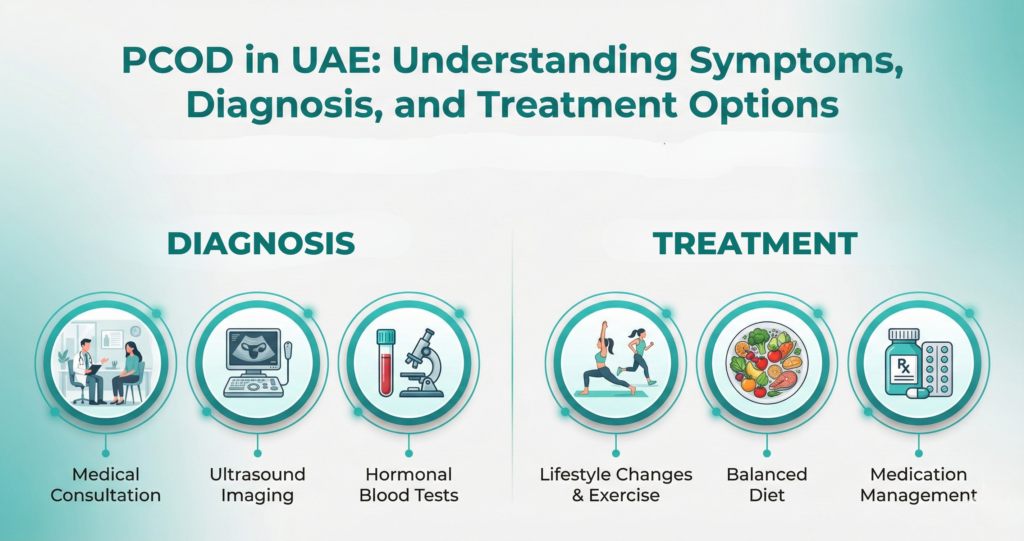
Poly-cystic Ovarian Disease (PCOD) is one of the most common hormonal conditions affecting women today. In the UAE, busy lifestyles, stress, and changing dietary habits have made PCOD an increasingly common concern among women of all ages. Despite its prevalence, many women remain unaware of its symptoms, differences from PCOS, and available treatment options. This guide aims to help women better understand PCOD problem symptoms, recognize early warning signs, and seek timely medical care. What Is PCOD vs PCOS? PCOD (Polycystic Ovarian Disease) and PCOS (Polycystic Ovary Syndrome) are often used interchangeably, but they are not the same. According to the Cleveland Clinic PCOD is generally more manageable with lifestyle changes and early treatment, whereas PCOS may require long-term medical management. Early diagnosis plays a key role in preventing complications in both conditions. Common PCOD Problem Symptoms Among Women in the UAE Symptoms can vary from person to person, but commonly reported signs include: Due to hectic schedules and high stress levels in urban areas like Sharjah and Dubai, many women overlook these symptoms until they start affecting daily life or fertility. Recognizing PCOD problem symptoms is particularly necessary in urban environments where stress and environmental factors can exacerbate hormonal issues. Lifestyle Factors Contributing to PCOD Several lifestyle-related factors common in the UAE can increase the risk or severity of PCOD: While PCOD is influenced by genetics, lifestyle changes can significantly improve symptoms and overall hormonal balance. Identifying PCOD problem symptoms early can mitigate these risks before they lead to long-term health concerns. Several lifestyle changes can help manage PCOD effectively. According to the Mayo Clinic, maintaining a healthy weight, eating a balanced diet, and exercising regularly can significantly reduce symptoms and improve hormonal balance. Diagnosis: How PCOD Is Identified Diagnosing PCOD involves a combination of clinical evaluation and diagnostic tests. A gynecologist may recommend: Early screening helps detect PCOD before complications such as infertility, diabetes, or prolonged hormonal imbalance develop. Many women in Sharjah opt for PCOD screening packages that combine blood tests and ultrasound for a comprehensive assessment. Treatment Options Available in the UAE PCOD treatment focuses on symptom management and restoring hormonal balance. Depending on individual needs, treatment may include: 1. Lifestyle Modifications Adopting these healthy habits is a proven way to manage PCOD problem symptoms effectively. 2. Medications 3. Ongoing Monitoring When Should You See a Specialist for PCOD Problem Symptoms? You should consult a gynecologist or women’s health specialist if you experience: Early medical guidance can prevent long-term complications and improve quality of life. Real Stories, Real Hope (Anonymous) Many women in the UAE have successfully managed PCOD through early diagnosis and lifestyle changes. From regulating cycles to achieving healthy pregnancies, timely intervention has helped countless women regain confidence and control over their health. You’re not alone, and PCOD is manageable with the right care. Take Charge of Your Hormonal Health If you’re experiencing symptoms or simply want clarity about your hormonal health, consider a PCOD screening package in Sharjah. Early testing empowers you with the knowledge needed to make informed health decisions. 📍 Book a consultation today and take the first step toward balanced health. Frequently Asked Questions (FAQs) 1. What is the difference between PCOD and PCOS? PCOD is a condition where the ovaries release immature eggs that turn into cysts, while PCOS is a more severe hormonal and metabolic disorder linked to insulin resistance and higher androgen levels. PCOD is generally more manageable than PCOS. 2. Can PCOD be cured permanently? PCOD cannot always be permanently cured, but it can be effectively managed through lifestyle changes, medications, and regular monitoring. Many women see significant improvement in PCOD problem symptoms with the right treatment plan. 3. Does PCOD affect fertility? PCOD can make it harder to conceive due to irregular ovulation, but it does not mean infertility. With timely diagnosis and appropriate treatment of PCOD problem symptoms, many women with PCOD achieve healthy pregnancies. 4. At what age can PCOD develop? PCOD can develop in women of reproductive age, typically between 15 to 45 years. However, symptoms often first appear during the teenage years or early adulthood. 5. How is PCOD diagnosed in the UAE? Diagnosis usually involves a detailed medical history, hormone blood tests, and a pelvic ultrasound. Many clinics in Sharjah offer comprehensive PCOD screening packages combining both tests. 6. Can lifestyle changes alone treat PCOD? In mild cases, yes. A balanced diet, regular exercise, stress management, and healthy sleep can significantly reduce PCOD symptoms and restore hormonal balance without medication. These healthy habits are especially effective when targeting PCOD problem symptoms in their early stages. 7. Is PCOD common among women in the UAE? Yes. Factors like sedentary lifestyles, processed food consumption, stress, and irregular sleep patterns common in urban UAE cities like Sharjah and Dubai contribute to a rising prevalence of PCOD. Therefore, being able to identify PCOD problem symptoms is crucial for women living in these environments. 8. When should I see a doctor for PCOD? You should consult a specialist if you experience irregular or missed periods, unexplained weight gain, persistent acne, excessive hair growth or hair loss, or difficulty getting pregnant. Take Control of Your Hormonal Health Today! Connect with Dr. Erum Saba for a PCOD screening and personalized treatment plan tailored to your needs. Book an Appointment