Summer Diarrhea in Children in UAE: When to Worry & What to Do
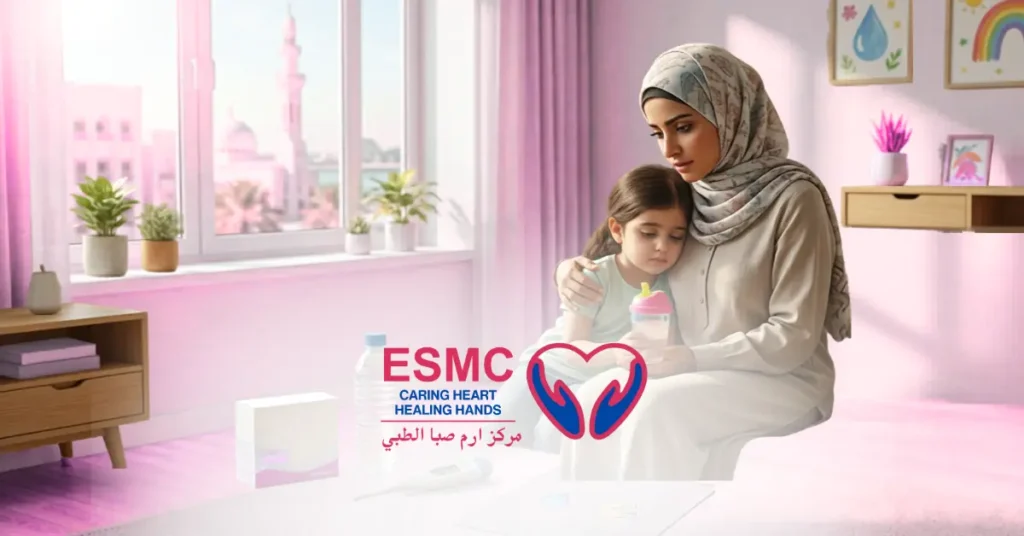
It started after dinner. One loose stool, then another. Now it is 10 pm, your child has had summer diarrhea three times, they are grumpy and clingy, and their forehead feels warm. You are Googling. You are not sure if you should wake everyone up and drive to a clinic or just wait it out until morning. You are not alone. Summer diarrhea in children in UAE is one of the most common situations our pediatric doctors at Erum Saba Medical Center see every single summer. As the May heat climbs, so does the risk of tummy bugs. Between the rising temperatures and the upcoming Eid gatherings where food, variety, and visitors are everywhere, parents often find themselves in this exact midnight dilemma. This guide will tell you exactly when summer diarrhea in a child is something you can manage at home, and when it is a sign you need to be seen by a doctor today. Why Summer in Sharjah Increases the Risk In Sharjah, summer is not just a season — it is a high-speed environment for bacteria. While families in cooler climates might have a four-hour window to leave food out safely, the UAE heat changes the rules entirely. The 2-Hour Rule The bacterial danger zone sits between 5°C and 60°C. In the Sharjah heat of May and June, food left out can reach dangerous bacterial levels within just two hours. This is a detail many families miss during weekend picnics, outdoor playdates, or Eid buffets. Eid Al Adha Risks With Eid Al Adha approaching in late May 2026, the risk of food-related illness in children rises sharply. Large quantities of fresh meat are prepared and shared across households. Research across the region shows a measurable spike in childhood summer diarrhea following Eid Al Adha, linked to home slaughtering practices, improper meat storage, and large shared buffet-style meals where temperatures are difficult to regulate. The UAE Government recommends strict food handling rules during summer heat specifically to prevent foodborne illness during large celebrations. Pool Water and Gatherings As families head to shared pools to escape the heat, exposure to norovirus and rotavirus increases significantly. If one child in a shared building pool has a stomach bug, it spreads rapidly through the water. Combined with family gatherings where children share snacks and utensils, the summer months create a perfect storm for gut illness. The AC-to-Outdoors Cycle Children in Sharjah move repeatedly between cold AC environments and extreme outdoor heat throughout the day. This constant thermal transition weakens the gut’s normal immune response over time and increases susceptibility to infections picked up at school, nursery, or play areas. If your child is also showing signs of dehydration alongside their stomach symptoms, read our guide on dehydration signs in children in Sharjah — the two conditions frequently overlap in UAE summer. Stomach Bug vs Food Poisoning: What Is the Difference? Parents often use these terms interchangeably, but knowing the difference helps you understand the timeline of recovery and what to expect. Stomach Bug (Viral Gastroenteritis) Food Poisoning (Bacterial) Cause Virus — Norovirus, Rotavirus Bacteria — Salmonella, E. coli Onset 12 to 48 hours after exposure 1 to 6 hours after eating Main Symptoms Summer Diarrhea, vomiting, mild fever Intense vomiting, cramps, sudden onset Duration 3 to 7 days Usually 24 to 48 hours (acute phase) Common Source Schools, play areas, shared pools Buffets, undercooked meat, Eid meals Treatment Rest, fluids, ORS Rest, fluids, ORS (sometimes antibiotics) In most cases the immediate home treatment is the same: hydration. Food poisoning tends to be much more sudden and intense, while a viral bug lingers longer. If the whole family who shared the same Eid meal falls ill within a few hours, suspect food poisoning. If only your child is unwell a day after nursery, suspect a viral bug. Managing at Home: The ORS Guide If your child is alert and keeping some fluid down, your primary goal is rehydration. Many parents instinctively reach for fruit juice, 7UP, or sports drinks. These are the wrong choice. They contain too much sugar and the wrong balance of salts, which can actually pull more water into the gut and make summer diarrhea worse. What Is ORS? Oral Rehydration Solution (ORS) replaces the specific electrolytes — salts and sugars — lost during illness in the correct proportions. Brands like Pedialyte or generic ORS sachets are available at any pharmacy in Sharjah without a prescription. How to Give ORS Correctly: Do NOT Give: When to Wait: Signs This Is Manageable at Home It is safe to stay home and monitor your child if all of the following apply: Most stomach bugs in healthy children resolve on their own within three to five days. Your job is to keep them hydrated while their immune system does the work. When to Worry: The Red Flags This is the most critical section of this guide. CDC guidelines emphasise that persistent vomiting in infants requires immediate medical attention because small bodies dehydrate far faster than adults. If your child shows any of the following, do not wait until morning. Go to the clinic today if: Fever plus summer diarrhea together in a child under two years old = come to the clinic the same day. Do not wait until morning. Also watch for signs covered in our heatstroke in children Sharjah guide — a child who is already hot and dehydrated from the summer heat and then develops a stomach bug faces compounded risks that escalate faster than either condition alone. Book an Urgent Appointment at ESMC Sharjah Eid-Specific Food Safety: Protecting Your Child This May Eid Al Adha is a time for family and celebration. These specific steps protect children without dampening the occasion. The 2-Hour Rule in Practice In May’s heat, cooked meat left at room temperature becomes unsafe in as little as two hours. If lunch was served at 1pm and meat is still on the table at 3pm — do not give it to young children.
Dehydration Symptoms in Children: 13 Alarming Signs by Age for UAE Parents
Dehydration symptoms in children in UAE are easier to miss than most parents realize. Your child has been indoors all morning with the AC on. They have had half a glass of orange juice at breakfast and a few sips of water at lunch. They seem fine playing, watching TV, not complaining. So they must be hydrated, right? Not necessarily. In UAE, this is the invisible danger. We often think dehydration symptoms only happens at the park or the beach under the midday sun. But indoor AC environments are actually one of the leading causes of quiet, invisible dehydration in UAE children, and most parents have no idea it is happening until the signs become impossible to ignore. Air conditioning acts as a powerful dehumidifier. It pulls moisture from the air and, consequently, from your child’s body. Children can lose significant fluids through their skin and airways without ever breaking a sweat or stepping outside. The signs are easy to miss because they do not always look like thirst. This guide will teach you exactly what to look for, age by age and what to do about it. Why UAE Children Are at Higher Risk for Dehydration Symptoms Living in UAE presents unique hydration challenges that generic international health guides simply do not account for. It is not just about the heat, it is about the lifestyle, the climate pattern, and several specific local factors that accelerate fluid loss in children. Extreme Heat and Humidity Together From May to September, UAE’s combination of high temperatures and high humidity creates conditions, increases dehydration symptoms where the body struggles to cool itself through sweating. Fluid loss through perspiration accelerates significantly even during light activity outdoors, and the body’s thirst signal often lags behind actual fluid loss — meaning your child may not feel thirsty until they are already mildly dehydrated. The AC Dry-Out Effect This is the risk most families do not know about. Air conditioning systems remove moisture from indoor air continuously. Every hour your child spends in an AC room, they lose fluid through their skin and respiratory tract what medical professionals call insensible fluid loss, without any visible sign of sweating. A child who has spent an entire school day in an AC classroom followed by an AC car ride home can arrive with dehydration symptoms despite never feeling hot. Thermal Shock from Temperature Transitions UAE children move between 22°C AC interiors and 42 to 45°C outdoor heat multiple times a day — the school run, the car, the mall, the playground. Each transition forces the body to rapidly adjust its temperature regulation, and this constant switching accelerates overall fluid loss in ways that a child staying in one consistent environment would not experience. The Juice and Milk Trap Many families in UAE offer juice, flavored milk, or sweet drinks throughout the day, assuming these count as full hydration. They do not. Full-strength juice contains concentrated sugars that can actually draw water out of cells and worsen dehydration symptoms. Milk provides important nutrition but does not replace the role of plain water. In UAE summer, only plain water and oral rehydration solutions effectively replace what is lost. School Schedules and Short Recess Many schools in UAE have short recess windows or restrict outdoor drinking during class time. Children become absorbed in lessons, forget to drink from their bottles, and arrive home with most of their water untouched. By mid-afternoon, mild dehydration symptoms are already affecting their concentration and mood — often blamed on tiredness or behavior rather than the actual cause. How Much Water Does My Child Actually Need? One of the most common questions at ESMC’s Pediatrics Department is: how many glasses is enough? Standard international guidelines provide a baseline, but in UAE’s summer they need a meaningful buffer on top to avoid dehydration symptoms. Age Group Daily Water Intake UAE Summer — Add This Under 6 months Breast milk or formula only Extra feeds if sweating or unwell 6 to 12 months 120 to 180ml (approx. half a cup) Offer water between feeds 1 to 3 years 1 to 1.3 litres (approx. 4 cups) Add 200 to 300ml extra 4 to 8 years 1.2 to 1.5 litres (approx. 5 cups) Add 300ml extra 9 to 13 years 1.6 to 2 litres (approx. 8 cups) Add 400 to 500ml extra The Urine Colour Rule — The Most Practical Tool You Have Pale yellow means your child is well hydrated. Dark yellow means they need a glass of water right now. Orange or amber means they are already dehydrated and need immediate fluids — or a visit to the clinic if they cannot keep fluids down. Dehydration Symptoms: Babies (0 to 12 Months) Because babies cannot tell you they are thirsty, you have to look for physical signals. These are the dehydration symptoms to watch for: Fewer wet nappies than usual. A healthy, well-hydrated baby produces six to eight wet nappies in 24 hours. Fewer than three or four is a warning sign that should not be ignored. A sunken fontanelle. The soft spot on the top of your baby’s head should feel flat or very slightly raised. If it appears visibly dipped inward, this is a sign of significant dehydration and requires same-day medical attention. No tears when crying. If your baby cries without producing tears, their fluid levels are low. This is an easy dehydration symptoms to check during any crying episode. Unusual sleepiness or limpness. A baby who is difficult to wake, seems unusually floppy, or is not responding normally to stimulation needs to be seen by a doctor immediately — do not wait. Dry or cracked lips. Lips that look drier than usual, particularly combined with any of the above signs, indicate dehydration. Any baby under six months showing dehydration symptoms needs to see a doctor the same day. Book an appointment at ESMC immediately. Dehydration Symptoms: Toddlers (1 to 3 Years) Toddlers are often too absorbed in play to notice thirst — and
Heatstroke in Children: 7 Alarming Signs, First Aid & Care
Heatstroke in children in Sharjah is a genuine medical emergency and it can develop in under 30 minutes on a May morning. It is 11am. Your child has been playing in the garden for 40 minutes. They come inside quieter than usual, sit down, and say their head hurts. You give them water and assume it is the heat. But within 20 minutes they are pale, confused, and will not drink. It is 11am on a May morning in Sharjah. Your child has been playing in the garden for 40 minutes. They come inside quieter than usual, sit down, and say their head hurts. You give them water and assume it is the heat. But within 20 minutes they are pale, confused, and will not drink. This is the moment most parents freeze. Not because they do not care, but because they genuinely cannot tell whether what they are seeing is serious or just the summer heat doing what it does. That uncertainty is dangerous. Because heat exhaustion and heatstroke in children look similar at first glance, but they are worlds apart in terms of what you need to do and how fast you need to do it. One can be managed at home with quick action. The other is a life-threatening emergency requiring an ambulance. By the end of this guide, you will know exactly which is which and you will know what to do in the first five minutes of heatstroke in children. Why Children Overheat Faster Than Adults Before we get into symptoms, it helps to understand why children, especially young ones, are so much more vulnerable than adults in Sharjah’s summer heat. Children’s sweat glands are not fully developed, which means their bodies cannot cool down as efficiently as yours can. Their body-to-surface-area ratio means they absorb heat from the environment at a faster rate. They also do not recognise the warning signs in themselves; they will keep running, keep playing, and keep pushing until their body simply cannot cope. Babies and toddlers are the most vulnerable of all, because they cannot tell you they feel unwell. They cannot ask for water. They cannot walk into the shade. In Sharjah specifically, May through September temperatures regularly exceed 40°C, and the humidity makes it significantly harder for small bodies to release heat through sweating resulting in heatstroke in children. What feels manageable to an adult standing still can overwhelm a running child within 20 to 30 minutes. Heat Exhaustion: The Warning Stage Heat exhaustion is what happens when your child’s body is struggling to keep its temperature under control, but is still fighting. Think of it as the body’s alarm system going off. It is serious, but if you catch it here and act within 30 minutes, you can bring your child back to safety at home. Signs of Heat Exhaustion in Children: The key phrase here is still sweating. A child in heat exhaustion is uncomfortable and unwell, but their cooling system is still working. That is what separates this stage from what comes next. Important: Heat exhaustion that is not treated within 30 minutes can escalate to heatstroke in children. The window is short. Heatstroke in Children: A Medical Emergency Heatstroke in children is what happens when the body completely loses its ability to cool itself. The internal temperature climbs above 40°C. The brain, organs, and nervous system come under serious threat. This is no longer a situation you can manage at home. Red Flag Signs of Heatstroke in Children: The single most important difference between the two conditions: In heat exhaustion, the child is still sweating. In heatstroke in children, they have stopped. Hot, dry skin in summer heat = call 998 immediately. Side by Side: Heat Exhaustion vs Heatstroke in children Heat Exhaustion Heatstroke Skin Pale, wet, sweaty Hot, dry, flushed Temperature Below 40°C Above 40°C Consciousness Alert but weak Confused or unconscious Sweating Heavy sweating present No sweating Urgency Home care and monitor Emergency — call 998 Save this table. Screenshot it. Send it to your spouse and your child’s grandparents. What to Do: The First 5 Minutes If You Suspect Heat Exhaustion If You Suspect Heatstroke in Children Or If You Are Not Sure If your child is confused, unconscious, or has stopped sweating in the heat, this is a medical emergency. Call 998. UAE-Specific Risks Every Sharjah Parent Must Know Most international articles about Heatstroke in Children are written for UK or US summers. Sharjah is a different environment entirely. These are the local risks that rarely make it into generic health guides. Hot Car Seats and Seatbelts Metal buckles and dark car seats in UAE summer can reach 70 to 80°C. A child strapped into a superheated seat can develop burns and begin overheating within minutes. Always check the seat and buckle with your hand before placing your child in the car. Use a windshield cover when parked, and cover the seat with a light cloth. The School Run Walking to or from the car during peak morning heat, 8 am to 9 am in May, is enough to cause heatstroke in children, especially under the age of five. Keep any direct sun exposure under five minutes. Carry water on every school run. Playground Surfaces UAE playgrounds have rubber and metal surfaces that absorb extreme heat throughout the day. Ground-level surfaces can be 20°C hotter than the air temperature around them. Bare feet on rubber matting or metal frames can cause burns quickly and also rapidly raise a small child’s body temperature. Always check surfaces with your hand before letting children touch or walk on them. Air Conditioning to Outdoor Transitions Children moving repeatedly between very cold AC interiors and 42°C outdoor heat can confuse the body’s temperature regulation system, making it slower to respond when it really matters. Allow a short transition period where possible, a few minutes in a shaded doorway before stepping into full sun. Covered and Layered Clothing For families where young girls wear
Recurrent Miscarriage: 6 Alarming Causes, Tests & When to See a Gynaecologist
Experiencing one miscarriage is devastating. Experiencing two, three, or more each time allowing hope to build before it is taken away is a different kind of grief entirely. Yet, recurrent miscarriage in Sharjah is more common than most people realize, and more treatable than most patients are told. In Sharjah, as across the UAE, miscarriage often remains a deeply private grief. It is frequently not spoken about outside the immediate family, and investigations are often delayed until multiple losses have occurred. Sometimes, it is dismissed as “bad luck” or “God’s will” in a way that, while culturally meaningful, can leave treatable medical causes unaddressed. The real challenge is that most women experiencing recurrent pregnancy loss do not know at what point investigation should begin, what tests are available, or what the realistic outcomes of treatment are. The gap between what is clinically possible and what patients are aware of is significant and it has real consequences for families. The Facts You Need to Know At ESMC (Erum Saba Medical Center), our gynecology team in Sharjah provides a clear, compassionate, and clinically grounded pathway. We believe in approaching this journey with information, not just hope. Defining Recurrent Miscarriage: When Does It Become “Clinical”? The Threshold for Investigation International bodies like the Royal College of Obstetricians and Gynaecologists (RCOG) and the European Society of Human Reproduction and Embryology (ESHRE) define recurrent miscarriage as two or more consecutive pregnancy losses before 24 weeks. While some traditional practices wait for a third loss, modern recurrent pregnancy loss specialists in Sharjah begin investigations after two. This is particularly vital for women over 35 or when losses show a specific pattern. It is also important to distinguish between: Each loss is not necessarily a repeat of the same event. Different losses may have different causes, and a thorough investigation looks at the pattern of your history, not just the most recent event. The Emotional Weight of Clinical Care Acknowledging the grief, anxiety, and psychological toll of loss is not a distraction from medical investigation; it is a vital part of it. At ESMC, we recognize that anxiety about future pregnancies often affects care-seeking behavior. A compassionate, unhurried clinical environment matters because the patient is carrying both a medical question and a significant emotional burden. Known Causes of Recurrent Miscarriage: A Systematic Overview To find a solution, a gynaecologist in Sharjah must systematically categorize the potential “why” behind repeated losses. Identifying the underlying cause of repeated loss requires a systematic approach, following the evidence-based protocols set out in the ESHRE clinical guidance on recurrent pregnancy loss to screen for genetic, uterine, and endocrine factors. 1. Genetic and Chromosomal Causes 2. Uterine Structural Abnormalities The shape and health of the “nest” are critical for a healthy pregnancy. 3. Hormonal and Endocrine Causes Hormonal causes of miscarriage in the UAE are among the most identifiable and treatable contributors. 4. Thrombophilia and Blood Clotting Disorders 5. Immunological Causes This is an area of active research, focusing on Natural Killer (NK) cell activity and immune tolerance of the embryo. While some treatments are considered “emerging,” specialized clinics may offer specific protocols for patients who have failed traditional investigations. 6. Unexplained Recurrent Miscarriage In approximately 50% of cases, tests return normal. While frustrating, “unexplained” does not mean untreatable. Data shows that with supportive care and early pregnancy monitoring, the prognosis for these couples remains very positive. Investigations: What Tests Are Done and When? At ESMC Sharjah, we follow a rigorous miscarriage investigation pathway. The Standard Investigation Pathway We recommend starting these tests after two consecutive losses: The Role of the Male Partner Recurrent miscarriage is a couple’s investigation, not just a woman’s. Emerging evidence links high Sperm DNA Fragmentation to recurrent early loss. A thorough workup should include the male partner from the outset. Treatment and Management Options Cause Evidence-Based Treatment Confirmed APS Low-dose aspirin from conception + Heparin from a positive test Uterine Septum Hysteroscopic resection (surgical correction) Thyroid Issues Thyroxine replacement and antibody management PCOS Metformin, weight management, and ovulation induction Progesterone Support Vaginal progesterone (supported by PRISM/PROMISE trials) Supportive Care: The “Tender Loving Care” Effect Data from the Tommy’s National Centre for Miscarriage Research shows that dedicated early pregnancy surveillance clinics improve live birth rates even in unexplained cases. At ESMC, this means: Practical Steps for Couples in Sharjah Frequently Asked Questions How many miscarriages do I need to have before getting tested in the UAE? Modern gynaecological guidelines, including those from the RCOG and ESHRE, recommend beginning investigations after two consecutive pregnancy losses — not three. If you are over 35, or if your losses have shown a pattern (for example, all occurring at the same gestational age), your doctor may investigate even earlier. You do not need to wait for another loss before asking for a referral. What blood tests are done for recurrent miscarriage? A standard recurrent miscarriage panel includes antiphospholipid antibody testing (lupus anticoagulant and anticardiolipin antibodies), thyroid function including anti-TPO antibodies, fasting glucose and HbA1c, a full blood count, ferritin, and Vitamin D levels. Parental karyotyping — a chromosomal blood test for both partners — is also part of a complete investigation. At ESMC, our Recurrent Miscarriage Panel covers these key markers in one structured test. Can Antiphospholipid Syndrome (APS) be treated during pregnancy? Yes — and this is one of the most important things to know. Confirmed APS is treated with low-dose aspirin started from conception and low molecular weight heparin introduced once a positive pregnancy test is confirmed. This combination is one of the most evidence-supported interventions in recurrent miscarriage medicine and has significantly improved outcomes for women with this diagnosis. Can PCOS cause recurrent miscarriage? Yes. PCOS is among the more common hormonal causes of recurrent pregnancy loss, particularly in the UAE where prevalence is high. The link occurs through insulin resistance and elevated androgens, both of which can impair embryo implantation and early development. Management typically involves Metformin, weight management where appropriate, and careful ovulation monitoring. Thyroid antibodies should
Melasma and Pigmentation in UAE: Why It Happens and Safe Treatment Options for Brown Skin
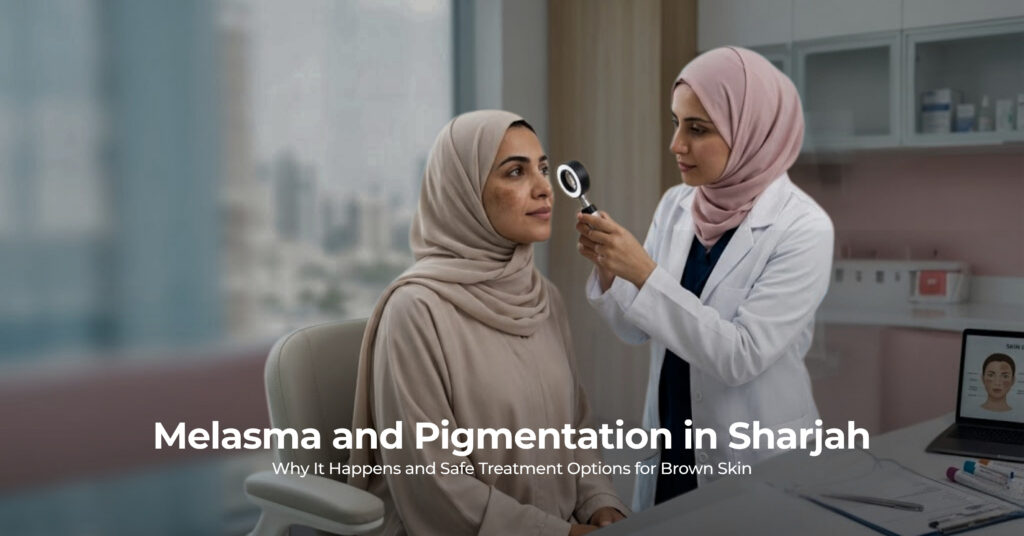
Finding effective pigmentation and melasma treatment in UAE requires a deep understanding of how local UV levels and hormones affect brown skin. Melasma and hyper-pigmentation are among the most common skin concerns presenting to dermatology clinics across the UAE and unfortunately, they are among the most frequently mismanaged. In UAE, where the majority of residents possess medium to dark skin tones (Fitzpatrick Types III–VI) and year-round UV exposure is intense, the biological triggers for pigmentation are ever-present. However, the “one-size-fits-all” approach to skincare often fails here. Many treatments designed for fairer skin can be actively harmful to brown skin, leading to a cycle of frustration. Patients often arrive at ESMC after having tried aggressive over-the-counter (OTC) lighteners or incorrectly calibrated laser treatments, presenting with “rebound” pigmentation that is far more complex than their original concern. This highlights the importance of seeking a professional Melasma Treatment plan tailored to your specific skin type. The Statistics of Skin of Color This guide provides a clinically grounded explanation of why these conditions develop in our local population and outlines the ESMC protocol for safe, effective Melasma Treatment journey. Understanding Melasma vs. Pigmentation: What is Happening? The Biology of Melanin in Darker Skin To treat pigmentation, we must understand the Melanocyte. In Fitzpatrick III–VI skin tones, these cells are not necessarily more numerous than in lighter skin, but they are significantly more active and “reactive.” When triggered by UV light or heat, these cells produce melanin as a defense mechanism. In brown skin, this response is more pronounced and longer-lasting. Furthermore, pigmentation exists at different depths: A deep understanding of biology ensures the safety of your Melasma Treatment. Common Conditions in the UAE Population ESMC Clinical Note: Correct classification is non-negotiable. Treating PIH with a melasma protocol or vice versa is the primary reason why many home treatments fail. Each of these conditions requires a specialized approach to Melasma Treatment for optimal results. Why Melasma is Particularly Challenging in UAE The Role of the Gulf Climate The UAE sun is a relentless trigger. Even “incidental” exposure to the five minutes spent walking to your car or the sun hitting your face through a window during the school run is enough to signal melanocytes to produce pigment. A common local misconception is that having “tan” or brown skin provides total protection. While melanin does offer a natural SPF of about 13, it does not prevent the signaling pathway that causes melasma to flare. In fact, heat itself (not just UV) can worsen melasma, making the UAE summer particularly difficult for patients. Climate factors must be strictly managed during any active Melasma Treatment. The Hormonal Connection In our local patient population, we see a high correlation between melasma and: Addressing internal triggers is a core component of effective Melasma Treatment. What to Avoid: The Dangers of “Fast” Results In the quest for clear skin, many residents turn to high-risk options. In brown skin, inflammation is the enemy. The Danger of Mercury and Steroids Some “whitening” creams available in unregulated markets contain mercury or high-potency steroids. While they may show results in days, they cause long-term skin thinning, visible capillaries (telangiectasia), and “Ochronosis” a permanent, soot-like darkening of the skin that is nearly impossible to reverse. High-Risk Procedures for Brown Skin Avoiding these risks is essential for a safe Melasma Treatment experience. Safe Pigmentation & Melasma Treatment Options at ESMC Sharjah First-Line Topical Protocols We utilize a “Gold Standard” approach adapted for the local climate: Consistent application of these topicals is vital for your Melasma Treatment. In-Clinic Procedures For deeper or resistant pigmentation, we offer: Clinical expertise ensures that every Melasma Treatment remains safe for darker skin tones. Practical Tips for Residents Following these daily habits will maximize the efficacy of your Melasma Treatment. Frequently Asked Questions Is melasma permanent? It is a chronic condition, meaning it can be managed to the point of being invisible, but the “tendency” to pigment remains. Maintenance is a lifestyle, not a one-time fix. Are lasers safe for my brown skin? Yes, but only specific types (like the Nd:YAG) and only when operated by specialists who understand Fitzpatrick IV–VI settings. How do I start? The first step is a professional skin-type assessment. At ESMC, we don’t just look at the spot; we look at your hormonal history, your sun exposure, and your skin’s unique biology. Conclusion In UAE, managing pigmentation isn’t just about “brightening” it’s about medical precision. Using the wrong product can turn a temporary spot into a permanent scar. At ESMC Dermatology, we pride ourselves on protocols designed specifically for the diverse skin tones of the UAE. We are committed to providing the highest standard of Melasma Treatment for our patients. Ready to address your pigmentation safely? Achieve Clearer Skin with Medical Precision Stop experimenting with high-risk whitening creams. Book a specialized consultation for pigmentation & melasma treatment in Sharjah at ESMC today. Book a Consultation
Screen Time, Sleep, and Behavior in UAE Kids: Age-Wise Guidelines for Healthy Digital Habits
Screens are an unavoidable part of modern family life, but managing screen time for kids and sleep in UAE presents a unique set of challenges. From tablets at the dinner table to YouTube clips before bed and online schoolwork starting as early as age five, digital devices are woven into the fabric of our daily routines. However, the research on how this digital immersion affects development is now substantial enough for parents to take proactive steps. Families in UAE navigate a unique set of challenges: high academic pressure, long indoor hours driven by the intense summer heat, and widespread device availability. These factors often make screen management feel like an uphill battle. While most parents intuitively know that “too much screen time” isn’t ideal, many lack a practical, age-specific framework to define what “healthy” actually looks like in a local context. Navigating the digital landscape requires a clear understanding of healthy screen time for kids. According to the World Health Organization (WHO), children under two should have zero sedentary screen time (with the exception of video calling), and those aged 2–5 should be limited to less than one hour per day. Despite these clear benchmarks, clinical observations at ESMC show a rising trend: sleep deprivation in school-age children is strongly linked to behavioral dysregulation, attention difficulties, and academic under-performance. Furthermore, screen use within one hour of bedtime is associated with significantly delayed sleep onset across all pediatric age groups. In this comprehensive guide, the pediatric team at ESMC provides a clinical breakdown of screen time limits, sleep requirements, and the behavioral red flags that indicate when digital habits have crossed the line from a modern convenience to a clinical concern. Establishing these boundaries is the first step in managing screen time for kids. Why Screen Time, Sleep, and Behaviour Are Clinically Linked It is a common misconception to view screen time, sleep quality, and child behaviour as three separate issues. In reality, they form a physiological and psychological loop that can either support or undermine a child’s development. The Neurological Connection Children’s brains are not just smaller versions of adult brains; they are neuroplastic environments under constant construction. Screens stimulate dopamine pathways in the brain’s reward system far more intensely in children. This high-stimulation environment can make real-world interactions feel “boring” by comparison, leading to irritability when the device is removed. Furthermore, the blue light emitted by smartphones and tablets suppresses the production of melatonin, the hormone responsible for sleep. Children are physically more sensitive to blue light than adults. When melatonin is suppressed, the internal clock shifts, making it harder for the child to fall asleep even after the device is turned off. Interestingly, sleep deprivation in children rarely looks like “tiredness.” While an adult might become lethargic, a sleep-deprived child often presents with hyperactivity, impulsivity, and aggression. This “tired but wired” state is frequently misread by parents and sometimes even educators as a primary behavioral disorder rather than a symptom of poor sleep hygiene. This physiological cycle highlights the importance of monitoring screen time for kids Why UAE’s Context Makes This Harder to Manage Managing these habits in the UAE requires acknowledging our specific environment: Local environmental factors often lead to an unintended increase in screen time for kids. At ESMC, our clinical team increasingly observes that behavioral concerns referred for assessment are often rooted in sleep disruption caused by evening screen habits rather than underlying neurological disorders. Think of it this way: Sleep is the fuel, and screen time is a leak in the tank. Without addressing the leak, you cannot fix the engine. Clinicians at ESMC emphasize that sleep quality is directly impacted by excessive screen time for kids. Age-Wise Screen Time for Kids and Sleep Guidelines Infants and Toddlers (0–2 Years) Do’s Don’ts Use video calls to connect with distant relatives. Use background TV as ambient noise. Prioritize face-to-face “serve and return” interaction. Use screens as a primary tool to help a child fall asleep. Stick to a highly consistent nap and bedtime routine. Allow any screen presence in the child’s sleep environment. Pediatric guidelines recommend a strict approach to screen time for kids in this age bracket. Preschool Age (2–5 Years) Do’s Don’ts Co-view content and discuss what is happening on screen. Allow screens during meal times. Choose interactive educational apps over passive videos. Use screens as a reward or punishment tool. Ensure all screens are off 1 hour before bedtime. Allow unrestricted YouTube “autoplay” features. Educational goals should be balanced with strict limits on total screen time for kids. Early School Age (6–9 Years) Do’s Don’ts Establish a clear, written “Family Media Plan.” Allow devices in bedrooms overnight. Enforce a “Device-Free Bedroom” policy. Allow screens to replace outdoor or physical play. Distinguish between “school screens” and “fun screens.” Let screens fill all “boredom” or unstructured time. Creating a structured environment helps maintain a healthy balance of screen time for kids. Preteens and Tweens (10–12 Years) Do’s Don’ts Use collaborative rule-setting to give the child agency. Provide unrestricted, unmonitored social media access. Use transparent parental controls as a safety net. Ignore early signs of anxiety linked to online interaction. Have regular, non-judgmental talks about online safety. Allow phones to be the last thing seen before sleep. Open communication is vital when overseeing the social aspects of screen time for kids. Sleep: The Non Negotiable Foundation Sleep is not just “rest.” It is a period of intense neurological activity where the brain clears toxins, consolidates learning, and releases growth hormones. According to the Sleep Foundation’s pediatric recommendations, these sleep durations are non-negotiable for a child’s immune function and emotional regulation. In UAE’s late-night social culture, children’s bedtimes are frequently pushed later than developmental guidelines recommend, leading to chronic “social jet-lag.” Protecting the sleep cycle is the primary reason to regulate screen time for kids. Signs Your Child Is Not Getting Enough Sleep ESMC Clinical Note: Many children referred to us for ADHD assessments show significant symptom improvement simply by addressing sleep hygiene and screen
Fibroids and Uterine Polyps in UAE: Heavy Bleeding, Fertility Impact, and Treatment Options

If you are seeking effective polyps and fibroids treatment in UAE, it is important to understand that heavy periods, pelvic pressure, or difficulty conceiving are not just things you have to “live with.” In the unique environment of UAE, many women normalize these symptoms, often managing them with over-the-counter painkillers without realizing that uterine fibroids or endometrial polyps are the underlying cause. It is essential for women to consult with experts regarding the best path for fibroids treatment. As a leading center for polyps and fibroids treatment in UAE, ESMC (Erum Saba Medical Center) frequently sees women suffering from chronic anemia, extreme fatigue, or breathlessness. Often, patients seek help for their exhaustion without realizing the root cause is gynecological. Early intervention is the hallmark of successful fibroids treatment. Uterine fibroids and polyps account for a significant proportion of abnormal uterine bleeding and fertility difficulties. While they share similar symptoms, they are distinct conditions with different mechanisms. Accessing the right polyps and fibroids treatment in UAE is the first step toward regaining your quality of life and moving from “coping” to “cured.” Our facility specializes in various protocols for fibroids treatment. Key Statistics at a Glance These statistics highlight the growing demand for accessible fibroids treatment. At ESMC (Erum Saba Medical Center), our gynecology team focuses on providing clear, clinical explanations and minimally invasive solutions, helping women move from “coping” to “cured.” Fibroids and Polyps: Understanding the Difference For women undergoing assisted reproduction, the European Society of Human Reproduction and Embryology (ESHRE) provides evidence that removing intrauterine pathologies like polyps can significantly optimize the uterine environment for embryo implantation. Many women leave a consultation knowing they have “growths,” but they may not understand what that means for their health or reproductive plans. What Uterine Fibroids Are Uterine fibroids (also called leiomyomas or myomas) are benign, non-cancerous smooth muscle tumors of the uterine wall. Understanding these tumors is the first step toward effective fibroids treatment. Classification by Location: The impact of a fibroid is determined more by its location than its size. The location of the growth will dictate the specific approach to fibroids treatment. Fibroids are estrogen-dependent; they typically grow during reproductive years and stabilize or shrink after menopause. While the fear of cancer is common, malignant transformation (leiomyosarcoma) is extremely rare occurring in less than 1 in 500 cases. Most patients respond well to a personalized plan for fibroids treatment. What Uterine Polyps Are Endometrial polyps are overgrowths of the endometrial lining (the tissue that sheds during a period). They are attached to the uterine wall by a stalk or a broad base. Polyps may require different interventions compared to standard fibroids treatment. Key Distinctions: Accurate differentiation ensures the patient receives the correct fibroids treatment. Why Both Are Frequently Missed Diagnosis is often delayed because symptoms overlap with conditions like adenomyosis or hormonal imbalances. In UAE, polyps are frequently an “incidental finding” during fertility workups, having caused only subtle spotting that the patient didn’t realize was abnormal. Screening remains a vital component of modern fibroids treatment. Symptoms: What Fibroids and Polyps Feel Like Symptoms of Uterine Fibroids Managing these symptoms effectively is a primary goal of fibroids treatment. Symptoms of Uterine Polyps Recognizing these signs can lead to a more timely fibroids treatment. When to Seek Urgent Review You should book a consultation at ESMC if you experience: Urgent symptoms should never be ignored when considering fibroids treatment. Diagnosis: How They Are Identified For Fibroids Treatment in UAE At ESMC, diagnostic workups are tailored to a woman’s life stage and reproductive goals. First-Line Investigation Diagnostic accuracy is crucial for planning an appropriate fibroids treatment. Definitive Diagnosis A clear diagnosis allows for a more targeted and efficient fibroids treatment. At ESMC, diagnostic protocols for identifying intrauterine pathology are aligned with the RCOG Green-top Guidelines, ensuring that every patient receives a workup that meets the highest international standards for accuracy and safety. Treatment Options: From Medical to Minimally Invasive Treatment is not “one size fits all.” The right approach depends on your symptoms, the size/location of the growth, and whether you wish to get pregnant. Medical Management Of Fibroids And Fibroids Treatment Options Non-surgical methods are often the first line of fibroids treatment. Surgical Fibroids Treatment (Minimally Invasive Focus) Clinical protocols, such as the ACOG Practice Bulletin on symptomatic leiomyomas, suggest that the choice between hysteroscopic, laparoscopic, or open surgery should be personalized based on the size and exact mapping of the fibroids. Modern techniques prioritize safety and speed in fibroids treatment. Fibroids, Polyps, and Fertility: A Targeted Discussion For women in UAE trying to conceive, the presence of these growths can be a major hurdle. Practical Tips for Women in UAE FAQs Can fibroids turn into cancer? It is extremely rare (less than 0.5%). However, any rapidly growing mass or postmenopausal growth should be evaluated immediately. Will removing a polyp help me get pregnant? Yes. Studies show that removing a polyp that distorts the uterine cavity can significantly improve natural conception and IVF outcomes. My fibroids don’t hurt; do I need surgery? Not necessarily. If they are small, not causing bleeding, and not affecting fertility, “watchful waiting” with an annual ultrasound is often appropriate. What is the recovery time for a hysteroscopic removal? Most women return to work within 24 to 48 hours. It is a day-case procedure with no external stitches. Conclusion Fibroids and polyps are among the most common gynecological conditions, but they shouldn’t be a life sentence of fatigue and pain. The most important shift for women in UAE is moving from accepting these symptoms to investigating them. Whether you are seeking relief from heavy periods or are on a journey toward motherhood, the tools available at ESMC from advanced mapping to minimally invasive “keyhole” surgery are designed to restore your health with minimal disruption to your life. Don’t wait for the symptoms to worsen. Take control of your gynecological health today. Book your consultation at esmc.co Stop Normalizing Heavy Bleeding & Pain Don’t let fibroids or polyps drain
Recurrent Coughs, Colds, and Ear Infections in UAE Children: When It’s “Normal” and When to See a Pediatrician
Managing children health is a primary concern for many families living in UAE, where the transition between seasons often feels like a passing of the baton between different respiratory viruses. You finally finish a course of medicine for one child, only for the toddler to start sniffing two days later. It is an exhausting cycle of sleepless nights, humidifiers, and boxes of tissues. In the unique environment of UAE where high-intensity air conditioning, significant humidity, and a bustling school culture intersect the baseline for how often cough & cold in children occurs often feels higher than what you might read in global parenting books. But where is the line? When is a recurring cough just a sign of a developing immune system, and when does it signal an underlying issue like asthma, allergies, or chronic ear problems? At ESMC (Erum Saba Medical Center), our pediatric team sees these patterns of children health daily. This comprehensive guide is designed to help UAE parents distinguish between the “normal” hurdles of childhood and the clinical red flags that require a specialist’s intervention. Proactive monitoring is essential for maintaining optimal children health. Why UAE Children Health Seem to Get Worse So Often It isn’t just your imagination children in the UAE often face a unique set of environmental triggers that can make respiratory illnesses feel constant. Understanding these factors is the first step in moving from reactive “crisis management” to proactive children health maintenance. 1. The Developing Immune System: Training for Life Biologically, a child’s immune system is a “work in progress.” Infants are born with some maternal antibodies, but these fade within months. To build a robust defense system, the body must encounter viruses and bacteria, recognize them, and create “memory cells.” Every cold, though frustrating, is essentially a training session for your child’s white blood cells. For infants, toddlers, and early school-age children, these exposures happen rapidly as they begin to interact with the world. According to the American Academy of Pediatrics (AAP), it is mathematically possible for a child to be “sick” for nearly half the year if they catch 8–10 viruses that each last two weeks. Understanding immune milestones is a key part of children health. 2. The UAE Factor: Environment and Lifestyle Several local factors contribute to the frequency of recurrent children health issues in UAE: ESMC Clinical Insight: We often find that “recurrent colds” in UAE are actually undiagnosed allergies. If your child is constantly congested but doesn’t have a fever, it’s time to look at environmental triggers rather than reaching for more antibiotics. Environmental awareness helps parents safeguard long-term children health. What Is “Normal”? An Age-by-Age Illness Frequency Guide Understanding what is clinically expected at different developmental stages can save parents a lot of unnecessary anxiety. Clinical thresholds change as a child grows, their anatomy shifts, and their immune system matures. Below is the age by age guide to better care for your children health. Infants and Toddlers (0–3 Years) This is the peak period for illness. Their immune systems are “naive,” and their physical structures (like ear canals) are tiny. Early intervention during the toddler years supports better children health. Preschool Age (3–6 Years) As children enter “big school,” they encounter a new set of viral strains. Monitoring school-age transitions is vital for consistent children health. School-Age Children (6–12 Years) By this age, the frequency of illness should drop significantly. Routine assessments are necessary to ensure ongoing children health. Recurrent Coughs: When Is It More Than a Cold? A cough is a reflex, not a disease. It is the body’s way of clearing the “pipes.” To treat it effectively, we must find the “why”, to protect your children health. Common Underlying Causes Parents Miss Red Flags: When to See a Pediatrician Same-Day You should seek immediate care at ESMC if you notice: Acting on red flags quickly protects your children health. Recurrent Ear Infections: Understanding the Pattern Ear infections (Otitis Media) are the most common reason for antibiotic prescriptions in children. In UAE, the rapid transition from 40°C heat to 22°C AC can cause sudden pressure changes and mucosal swelling, exacerbating the problem. Why Do They Keep Coming Back? Children have shorter, more horizontal Eustachian tubes (the tubes connecting the middle ear to the throat). When a child has a cold or allergy, these tubes clog easily, trapping fluid behind the eardrum. Because the tube is horizontal, the fluid cannot drain, creating a “stagnant pond” where bacteria thrive. Addressing physical causes of infection improves overall children health. When Recurrent Ear Infections Cross a Clinical Threshold At ESMC, we follow strict clinical guidelines for referring children to a Pediatric ENT in UAE. A referral is necessary if: The Danger of “Wait and See”: Recurrent ear infections can lead to scarring of the eardrum or, in rare cases, Mastoiditis (an infection of the bone behind the ear). For more details on ear health, parents can consult the Mayo Clinic’s guide on Otitis Media. Specialist referrals are often the best path for children health. Practical Steps UAE Parents Can Take at Home Prevention is better than a cure. Here is how you can optimize your child’s environment: 1. Indoor Air Quality Management Optimizing the home environment is a practical step for children health. 2. Hygiene and Lifestyle Consistent hygiene habits are the foundation of good children health. 3. Medical Proactivity Frequently Asked Questions (FAQs) Q: My child has had 5 colds this year. Should I be worried? A: If they are growing well, recovering within 10–14 days, and hitting their milestones, 5 colds is well within the “normal” range for a UAE toddler. However, if they have a persistent cough between these colds, it’s worth an evaluation. Q: How do I tell an ear infection apart from regular cold congestion? A: Ear infections usually involve sharp pain (often worse when lying down), irritability, and sometimes a fever. If your child is tugging at their ear or has fluid draining from it, see a doctor. Q: When should recurrent
After Vaccination: Fever, Pain & When to Call the Doctor A Parent’s Guide from ESMC UAE

If you are worrying about after vaccination care UAE, parents often feel a sudden sense of worry, especially when it’s late evening and something feels different. You’ve just returned home after your child’s appointment, and the questions start racing: Your baby is crying more than usual. Their arms look red. Maybe their temperature is rising. Is this normal? Should I give medicine? Do I need to call a doctor right now? If you’re reading this while feeling anxious, you are not alone. One of the most common reasons parents in Sharjah contact a pediatrician outside scheduled hours is concern about symptoms after vaccination, especially fever, swelling, or unusual fussiness. Understanding the basics of after vaccination care can help alleviate these common parental concerns. Here’s the reassuring truth: Most post-vaccination reactions are completely normal. In fact, they are often a sign that your child’s immune system is doing exactly what the vaccine is designed to do—learning how to protect your child from serious disease. Still, some symptoms do require medical attention. This parent-friendly guide from ESMC’s pediatric team in Sharjah explains: A simple rule to remember: A reaction after vaccination usually means your child’s immune system is learning. Your job is comfort, observation, and knowing when to reach out. This biological process is a key component of effective after vaccination care. Why Reactions Happen After Vaccination The Science in Plain Language What the Immune System Is Doing Vaccines introduce the immune system to a safe version or component of a germ, allowing the body to practice defending itself without causing illness. According to the World Health Organization, vaccination helps the immune system build memory so it can recognize and fight infections quickly in the future. During this process, the immune system: Because this is a real biological response, mild symptoms can appear including fever, soreness, or tiredness. These symptoms are not infectious.They are evidence of immune training. Parents across Sharjah are often relieved to learn that fever after vaccination is usually a healthy immune response, not a complication. Monitoring these individual responses is essential for proper after vaccination care. Why Some Children React More Than Others Every child responds differently. Reactions depend on: A child may react strongly one time and not at all the next. Both patterns are normal and commonly seen by pediatricians in Sharjah’s vaccination clinics. Which Vaccines Commonly Cause Reactions? Following the UAE Ministry of Health (MOH) immunization schedule, some vaccines are more likely to cause temporary reactions: Knowing which vaccine your child received helps set realistic expectations after your appointment in Sharjah. Knowing these vaccine types helps you prepare your after vaccination care strategy. Normal Post-Vaccination Reactions What to Expect Local Reactions at the Injection Site These are the most common reactions seen in children after vaccination. Parents visiting pediatric clinics in Sharjah frequently notice: RednessPink or red skin around the injection area appears within hours. Usually fades within 1–3 days. SwellingA small raised or firm area may develop. This is harmless and may last several weeks. Pain or tendernessYour child may avoid moving the injected arm or leg. WarmthThe area may feel slightly warm a normal inflammatory response. What helps: Gentle management of these local sites is recommended for after vaccination care. Fever After Vaccination Fever is one of the most common systemic reactions after vaccination and one of the most anxiety-provoking for parents. Pediatric guidance, including recommendations from the American Academy of Pediatrics, explains that mild fever after vaccination is usually a normal immune response rather than a sign of illness. Knowing these signs helps you in your child’s after vaccination care. What counts as fever? When does it start? Usually within 12–24 hours after vaccination. MMR fever may appear 7–12 days later, which often surprises parents but is completely normal. How long does vaccination fever last? Most fevers resolve within 24–48 hours. When is it too high? What parents should do Maintaining comfort during a fever is a priority in after vaccination care. Behavioural Changes After Vaccination Many children in Sharjah pediatric practices experience temporary behavioral changes: These typically resolve within 24–48 hours. If crying continues beyond 3 hours continuously, contact your pediatrician. Being patient during these mood shifts is part of supportive after vaccination care. Managing Post-Vaccination Discomfort at Home Pain & Fever Medication Guidance Paracetamol (Acetaminophen)Safe from 2 months of age.Dose must be weight-based. IbuprofenSuitable from 6 months onward.Helpful for swelling and inflammation. Never give aspirin to children. Current pediatric guidance including recommendations aligned with the American Academy of Pediatrics advises not giving paracetamol before vaccination routinely. Give medicine only if symptoms appear. Parents in Sharjah can request a personalized dosing chart during vaccination visits at ESMC. Safe medication administration is a cornerstone of after vaccination care. How to Soothe Your Baby After Vaccination For infants For toddlers For older children Using these soothing techniques will improve your after vaccination care at home. When to Call the Doctor ESMC’s Clear Decision Guide Call Your Pediatrician in Sharjah If: If unsure, parents are encouraged to contact ESMC’s pediatric team in Sharjah reassurance is always appropriate. Some symptoms such as a fever that doesn’t settle, crying that won’t stop, or a rash that spreads warrant medical attention. For a reliable breakdown of common, less common, and rare vaccine side effects in infants and children, see this guide from Kidswell Health. Knowing these signs ensures you provide the safest after vaccination care. Go to Emergency (Call 998) Immediately If: Serious allergic reactions are extremely rare and usually occur within 15–30 minutes which is why clinics in Sharjah, including ESMC, observe children after vaccination. Practical Tips for Vaccination Day Following these practical steps simplifies your after vaccination care routine. FAQs My baby has a fever after vaccination in Sharjah. Is this normal? Yes. Fever up to 39°C within 24–48 hours is common and expected. Manage with fluids, light clothing, and appropriate medication. Contact ESMC if fever persists or rises. Is it normal for my baby to cry after a vaccination in the UAE? Yes. Crying and fussiness are among the most common reactions and usually settle within a day.
Period Problems in UAE: Heavy, Irregular & Painful Periods When to See a Gynecologist

Periods are something nearly half the population experiences for decades of their lives yet period problems remain one of the most under-discussed areas of women’s health. Many women across the UAE live with heavy bleeding, irregular cycles, or severe pain for years, assuming it is simply “normal for them.” In reality, many menstrual symptoms are medically significant, diagnosable, and highly treatable. It is vital for women to recognize the clinical implications of their period problems. Across the Gulf region, cultural discomfort around discussing menstrual health can delay women from seeking care. Conversations about periods are often private, sometimes even avoided entirely, which means women continue managing symptoms alone instead of consulting a specialist. At ESMC’s OB/GYN and women’s health clinic in Sharjah, patients are encouraged to speak openly in a confidential, respectful, and judgment-free environment. Period concerns are not minor issues, they are clinical signals your body is sending. Research across Gulf countries shows that PCOS prevalence is higher than global averages, making irregular periods particularly relevant for women in the UAE. Additionally, many women with heavy bleeding discover underlying conditions such as fibroids, endometriosis, or hormonal disorders only after seeing a gynaecologist. Painful periods are also one of the leading causes of missed work and school days globally yet most women never receive formal diagnosis or treatment. Women’s health services in the UAE operate under national healthcare standards set by the UAE Ministry of Health & Prevention, supporting improved access to specialist gynecological care and preventive screening across UAE. A difficult period is not something you should simply endure.It is a signal worth listening to and in most cases, a problem that can be effectively treated. This guide from ESMC’s gynaecology team explains: What Does a Normal Period Actually Look Like? Establishing the Baseline for Period Problems Many women have never been clearly told what defines a normal menstrual cycle. A typical menstrual cycle: Occasional spotting may occur, but repeated spotting between periods should be evaluated. Every woman should know her own cycle to identify potential period problems. When “Normal” Becomes a Reason to Seek Care If your experience has always been painful or unpredictable, it may still feel normal even when it is medically abnormal. The sections below help identify when symptoms go beyond expected menstrual variation. The 4 Period Problems ESMC Treats in UAE 1. Heavy Periods (Menorrhagia) Heavy menstrual bleeding, medically known as menorrhagia, is defined as excessive blood loss that affects daily life. According to the American College of Obstetricians and Gynecologists (ACOG), abnormal uterine bleeding may result from hormonal imbalance, fibroids, or other underlying conditions. Common signs include: Common causes seen among patients in UAE include: Heavy bleeding frequently leads to iron-deficiency anaemia, causing long-term fatigue and reduced concentration even outside menstrual days. 2. Irregular Periods (Oligomenorrhea & Amenorrhea) Irregular periods occur when cycles are unpredictable, infrequent, or absent. Examples include: In the UAE, the most common cause is PCOS, though other causes include: Irregular cycles often indicate inconsistent ovulation, which can affect fertility, hormonal balance, and bone health. Women planning pregnancy are often advised to combine menstrual evaluation with a pre-pregnancy health assessment (see ESMC’s pre-pregnancy checkup guide). 3. Painful Periods (Dysmenorrhea) Painful periods are extremely common but severe pain is not normal. Symptoms may include: Primary dysmenorrhea occurs without disease, while secondary dysmenorrhea may result from: Globally, endometriosis diagnosis is delayed by an average of 7–10 years. Many women in UAE assume severe pain must simply be tolerated, delaying treatment unnecessarily. 4. PCOS-Related Period Problems Polycystic Ovary Syndrome (PCOS) is one of the most common hormonal conditions affecting women in the Gulf region. Symptoms include: International recommendations from the European Society of Human Reproduction and Embryology (ESHRE) highlight early diagnosis and lifestyle management as key components of PCOS care. PCOS is associated with: Early diagnosis significantly improves outcomes. ESMC’s genecology team provides individualized PCOS treatment in Sharjah, addressing hormonal balance, fertility goals, and long-term metabolic health. When to See a Gynaecologist A Clear Decision Guide See a Gynaecologist Soon If: Seek Urgent Care If: Emergency symptoms require immediate attention to prevent worsening period problems. Why Many Women in UAE Delay Care Many women are told heavy bleeding or pain is simply part of being a woman. It is not. At ESMC in Sharjah, patients seek care at every stage whether symptoms began recently or have been present for years. If your period affects your life, that alone is reason to see a gynaecologist. How ESMC Diagnoses Period Problems in UAE What to Expect at Your First Appointment Your consultation may include: Investigations May Include Blood Tests Pelvic UltrasoundKey diagnostic tool for detecting fibroids, PCOS changes, polyps, or uterine abnormalities. Additional Tests (If Needed) Treatment Options for Period Problems at ESMC Medical Management Procedural Options Lifestyle & Supportive Care Treatment plans at ESMC’s women’s health clinic in Sharjah are personalized based on diagnosis, symptoms, and fertility goals. Practical Tips Before Your Appointment Conclusion Heavy, irregular, or painful periods are not conditions women should silently endure. They are medical symptoms with identifiable causes and effective treatments. Early evaluation protects fertility, hormonal health, and overall wellbeing. If your period affects your quality of life, work, studies, or peace of mind that is reason enough to seek care. ESMC’s OB/GYN and women’s health clinic in Sharjah provides expert diagnosis and treatment for: Frequently Asked Questions Where can I see a gynaecologist for period problems in UAE? ESMC’s OB/GYN and women’s health clinic in Sharjah offers specialized consultations for heavy bleeding, irregular periods, painful cycles, and PCOS. Our team focuses on providing a comfortable, culturally sensitive environment for all patients. Is it normal to have painful periods every month? While mild cramping during the first day or two is common, severe pain that interferes with work, school, or daily activities is not normal. This may indicate underlying issues like endometriosis or fibroids and should be evaluated. Can PCOS be treated in UAE? Yes. At ESMC, we provide comprehensive PCOS diagnosis and treatment plans. These are tailored to your specific needs,