
Heatstroke in children in Sharjah is a genuine medical emergency and it can develop in under 30 minutes on a May morning. It is 11am. Your child has been playing in the garden for 40 minutes. They come inside quieter than usual, sit down, and say their head hurts. You give them water and assume it is the heat. But within 20 minutes they are pale, confused, and will not drink.
It is 11am on a May morning in Sharjah. Your child has been playing in the garden for 40 minutes. They come inside quieter than usual, sit down, and say their head hurts. You give them water and assume it is the heat. But within 20 minutes they are pale, confused, and will not drink.
This is the moment most parents freeze. Not because they do not care, but because they genuinely cannot tell whether what they are seeing is serious or just the summer heat doing what it does.
That uncertainty is dangerous. Because heat exhaustion and heatstroke in children look similar at first glance, but they are worlds apart in terms of what you need to do and how fast you need to do it. One can be managed at home with quick action. The other is a life-threatening emergency requiring an ambulance.
By the end of this guide, you will know exactly which is which and you will know what to do in the first five minutes of heatstroke in children.
Table of Contents
Why Children Overheat Faster Than Adults

Before we get into symptoms, it helps to understand why children, especially young ones, are so much more vulnerable than adults in Sharjah’s summer heat.
Children’s sweat glands are not fully developed, which means their bodies cannot cool down as efficiently as yours can. Their body-to-surface-area ratio means they absorb heat from the environment at a faster rate. They also do not recognise the warning signs in themselves; they will keep running, keep playing, and keep pushing until their body simply cannot cope.
Babies and toddlers are the most vulnerable of all, because they cannot tell you they feel unwell. They cannot ask for water. They cannot walk into the shade.
In Sharjah specifically, May through September temperatures regularly exceed 40°C, and the humidity makes it significantly harder for small bodies to release heat through sweating resulting in heatstroke in children. What feels manageable to an adult standing still can overwhelm a running child within 20 to 30 minutes.
Heat Exhaustion: The Warning Stage
Heat exhaustion is what happens when your child’s body is struggling to keep its temperature under control, but is still fighting. Think of it as the body’s alarm system going off. It is serious, but if you catch it here and act within 30 minutes, you can bring your child back to safety at home.
Signs of Heat Exhaustion in Children:
- Heavy sweating skin looks wet and pale, not dry
- Tiredness and weakness, the child wants to sit or lie down and seems unusually limp
- Headache, often described as a pounding feeling
- Nausea or an upset stomach
- Muscle cramps, especially in the legs
- A child may stumble or seem unsteady on their feet
- Body temperature that is raised but usually remains below 40°C
The key phrase here is still sweating. A child in heat exhaustion is uncomfortable and unwell, but their cooling system is still working. That is what separates this stage from what comes next.
Important: Heat exhaustion that is not treated within 30 minutes can escalate to heatstroke in children. The window is short.
Heatstroke in Children: A Medical Emergency

Heatstroke in children is what happens when the body completely loses its ability to cool itself. The internal temperature climbs above 40°C. The brain, organs, and nervous system come under serious threat. This is no longer a situation you can manage at home.
Red Flag Signs of Heatstroke in Children:
- Skin is hot and dry. The child has stopped sweating entirely
- Confusion or strange behaviour, they seem dazed, not themselves
- Slurred speech or words that do not make sense
- Rapid breathing and a fast, pounding heartbeat
- Severe headache
- Loss of consciousness or a seizure
- Body temperature above 40°C high chance of heatstroke in children.
The single most important difference between the two conditions:
In heat exhaustion, the child is still sweating. In heatstroke in children, they have stopped.
Hot, dry skin in summer heat = call 998 immediately.
Side by Side: Heat Exhaustion vs Heatstroke in children
| Heat Exhaustion | Heatstroke | |
| Skin | Pale, wet, sweaty | Hot, dry, flushed |
| Temperature | Below 40°C | Above 40°C |
| Consciousness | Alert but weak | Confused or unconscious |
| Sweating | Heavy sweating present | No sweating |
| Urgency | Home care and monitor | Emergency — call 998 |
Save this table. Screenshot it. Send it to your spouse and your child’s grandparents.
What to Do: The First 5 Minutes
If You Suspect Heat Exhaustion
- Move your child immediately to shade or an air-conditioned room. Do not wait to see if they improve on their own.
- Remove extra clothing, shoes, socks, jacket, and anything unnecessary.
- Apply a cool (not ice-cold) wet cloth to the neck, armpits, and forehead.
- Give small, frequent sips of cool water. Not cold. Not a large amount at once.
- Have your child lie down with their legs slightly raised to encourage blood flow.
- Monitor their temperature every 10 minutes.
- If they are not improving within 30 minutes, go to a clinic immediately.
If You Suspect Heatstroke in Children Or If You Are Not Sure
- Call 998 immediately. Do not drive to the hospital yourself. Do not wait to see if they improve.
- While waiting for help, move your child to the coolest place available.
- Remove their clothing.
- Cool the body with whatever is available: wet towels, a fan, cool water poured gently over the skin.
- Do NOT give water if your child is confused or unconscious. There is a serious risk of choking.
- Do NOT give paracetamol or ibuprofen; they do not help in heatstroke and can cause additional strain on the body.
- Stay with your child and keep cooling them until emergency services arrive.
If your child is confused, unconscious, or has stopped sweating in the heat, this is a medical emergency. Call 998.
UAE-Specific Risks Every Sharjah Parent Must Know
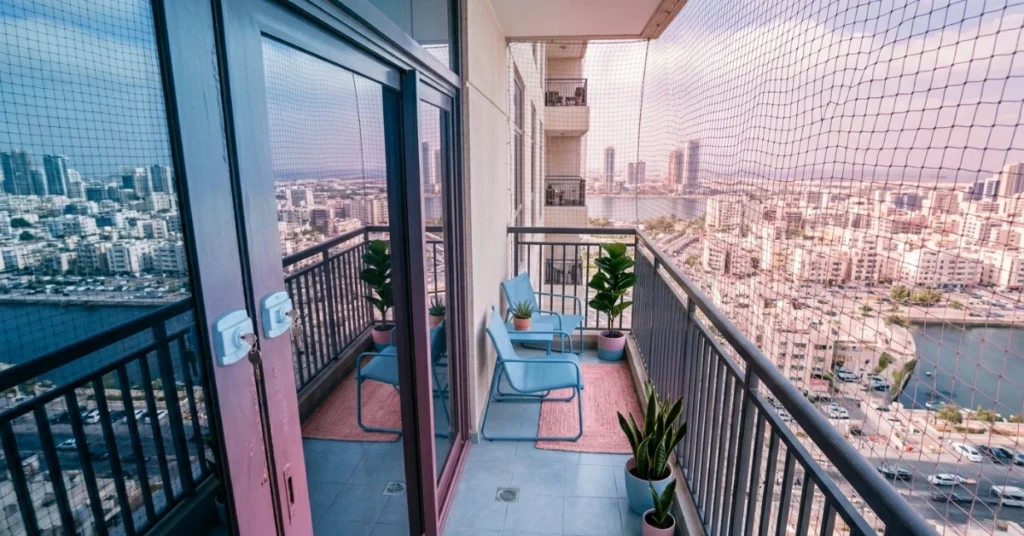
Most international articles about Heatstroke in Children are written for UK or US summers. Sharjah is a different environment entirely. These are the local risks that rarely make it into generic health guides.
Hot Car Seats and Seatbelts Metal buckles and dark car seats in UAE summer can reach 70 to 80°C. A child strapped into a superheated seat can develop burns and begin overheating within minutes. Always check the seat and buckle with your hand before placing your child in the car. Use a windshield cover when parked, and cover the seat with a light cloth.
The School Run Walking to or from the car during peak morning heat, 8 am to 9 am in May, is enough to cause heatstroke in children, especially under the age of five. Keep any direct sun exposure under five minutes. Carry water on every school run.
Playground Surfaces UAE playgrounds have rubber and metal surfaces that absorb extreme heat throughout the day. Ground-level surfaces can be 20°C hotter than the air temperature around them. Bare feet on rubber matting or metal frames can cause burns quickly and also rapidly raise a small child’s body temperature. Always check surfaces with your hand before letting children touch or walk on them.
Air Conditioning to Outdoor Transitions Children moving repeatedly between very cold AC interiors and 42°C outdoor heat can confuse the body’s temperature regulation system, making it slower to respond when it really matters. Allow a short transition period where possible, a few minutes in a shaded doorway before stepping into full sun.
Covered and Layered Clothing For families where young girls wear additional layers such as abayas or headscarves, extra heat monitoring is essential in summer months. Opt for the most breathable, loosely woven fabrics available. Linen and loose cotton are significantly better than polyester in high heat.
Eid Outdoor Gatherings Late May Eid celebrations often involve outdoor daytime gatherings with extended family. Children become absorbed in playing with cousins, adults become absorbed in conversation, and supervision of water intake and sun exposure quietly slips. This year, designate one adult per gathering to monitor the children’s hydration and keep outdoor play to morning or evening hours only.
When to Bring Your Child to ESMC Sharjah
Home cooling works well for mild heat exhaustion caught early. But there are specific situations where you should not wait and should come directly to ESMC’s Paediatrics Department.
Come to ESMC if:
- Symptoms are not improving within 30 minutes of cooling measures at home
- Your child has a fever above 38.5°C that is not coming down
- Your child refuses to drink or cannot keep water down
- Your child is under one year old and showing any signs of heat illness
- If your child has asthma, a heart condition, or diabetes, lower your threshold to seek help
- Your child seems confused, unusually sleepy, or is not responding normally
If there is any loss of consciousness, a seizure, or your child has stopped sweating in the heat, go to the emergency first. Come to ESMC for follow-up care and a full assessment once they are stabilised.
How to Keep Your Child Safe This Summer: Prevention Checklist
- Limit outdoor play to before 9 AM or after 6 PM during May through September
- Offer water every 20 to 30 minutes, even if your child says they are not thirsty
- Dress children in loose, light-coloured, breathable cotton
- Use wide-brim hats and UV-protective clothing during any outdoor time
- Never leave a child in a parked car, not even for two minutes, not even with the window cracked
- Check metal playground equipment and rubber surfaces with your hand before letting children touch or walk on them
- Pack extra water in school bags every day during the summer term
- Ask your child’s school about their heat policy. Schools in the UAE are required to follow Ministry of Education guidelines on outdoor activity during high-temperature periods (UAE MOE Heat Guidelines)
- For children with chronic health conditions, consider booking a summer health check at ESMC before the hottest months peak to avoid heatstroke in children.
External Resource: The World Health Organization’s guidance on heat and health provides useful background on why extreme heat is a growing global concern, particularly for vulnerable groups, including young children.
External Resource: The American Academy of Pediatrics offers a detailed breakdown of heat-related illness in children that aligns with the clinical guidance our paediatric team at ESMC follows.
Frequently Asked Questions
At what temperature is it too hot for children to play outside in Sharjah?
There is no single universal number, but most paediatric guidance in the UAE recommends avoiding outdoor physical activity when the temperature exceeds 35°C or the heat index creates a “feels like” reading above 38°C. In Sharjah from May through September, peak outdoor heat typically runs from 9AM to 6PM. Morning play before 9AM and evening play after 6PM are the safest windows to avoid heatstroke in children.
How quickly can a child develop heatstroke in UAE summer heat?
A young child can progress from normal to heat exhaustion in as little as 20 to 30 minutes of outdoor activity in direct sun at 40°C or above, particularly with high humidity. Heatstroke in children can follow within another 15 to 30 minutes if heat exhaustion goes untreated. The progression is faster in infants, children under three, and children wearing multiple layers.
Can a child get heatstroke in an air-conditioned room?
Heatstroke in children caused purely by a cool indoor environment is extremely unlikely. However, a child who has already been overheated outdoors and is brought inside may still deteriorate even after entering an AC room, because their body temperature does not drop instantly. Cooling measures must be actively applied; moving inside alone is not always enough.
What is the difference between a heat rash and heat exhaustion?
Heat rash appears as small red bumps or blisters on the skin, usually on the neck, chest, or in skin folds. It is caused by blocked sweat glands and is uncomfortable but not dangerous. Heat exhaustion involves the whole body weakness, dizziness, nausea, pale sweaty skin, and a raised temperature. If your child has a rash alongside any of those symptoms, treat for heat exhaustion and seek medical advice.
Should I give my child a sports drink instead of water during heat illness?
For mild heat exhaustion in older children, a diluted sports drink can help replace electrolytes lost through heavy sweating. However, for children under two, plain cool water is preferred. Avoid sugary drinks, juice, and carbonated drinks entirely during heat illness as they can worsen dehydration. If your child is too nauseous to drink, come to ESMC, we can provide oral rehydration support.
Is it safe to use an ice pack directly on a child’s skin during heatstroke in children?
No. Ice packs applied directly to the skin can cause the blood vessels near the surface to constrict, which actually reduces the body’s ability to release heat. Use cool (not cold) wet cloths instead, applied to the neck, armpits, and groin area where blood vessels sit close to the skin. Let the child’s skin stay damp and fanned rather than ice-cold.
My child had heat exhaustion last summer. Are they more likely to get it again?
Yes. A child who has had a significant heat illness episode may have a temporarily reduced heat tolerance for several weeks to months afterwards. Their body’s temperature regulation system can take time to fully recover. During the following summer, start with shorter outdoor exposure times and build up gradually. Mention the previous episode when you visit our paediatric team at ESMC so we can assess accordingly.
Does ESMC treat children with heat exhaustion or do I need to go to a hospital?
ESMC’s Paediatrics Department can assess and treat children presenting with heat exhaustion, mild dehydration, fever, and post-heat illness recovery. We have same-day appointments available seven days a week from 8AM to 11:30PM. For confirmed or suspected heatstroke in children with loss of consciousness or seizure, go to the nearest emergency department first, then follow up with us.
How much water does a child need each day in Sharjah summer?
General guidance suggests approximately 1.3 litres per day for children aged four to eight, and 1.7 liters for children aged nine to thirteen to avoid heatstroke in children. In active summer conditions in Sharjah, these amounts should be meaningfully higher. Pale yellow urine is the easiest indicator that your child is well hydrated. Dark yellow or amber urine is a warning sign of dehydration.
The Bottom Line
Heatstroke in children and heat exhaustion are preventable, but only if parents know what to look for. In Sharjah’s summer, the window between “my child seems tired” and “this is an emergency” can be under 30 minutes. Now you know the difference. You know what to do in the first five minutes. And you know exactly when to come in.
Share this with every parent you know; it could help evade heatstroke in children matter more than you think.
Book Your Child’s Summer Health Check in Sharjah
Visit ESMC at Al Zahra Street, Maysaloon. We are open 8AM to 11:30PM daily to ensure your little ones stay healthy all summer long.