Ultrasound Scan UAE: All 8 Types, Costs and What to Expect at ESMC
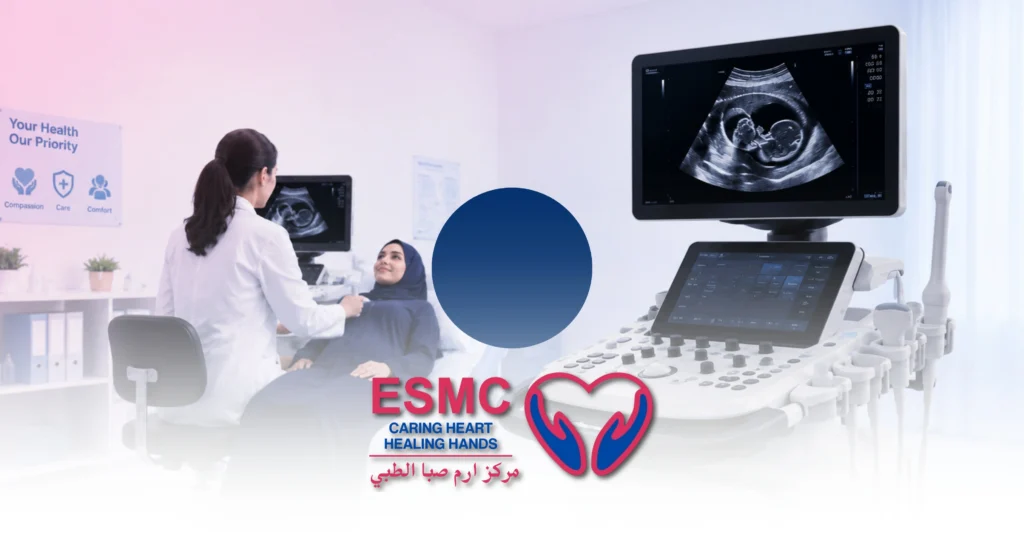
Your doctor handed you a referral slip at the end of your appointment. It says ultrasound. Underneath that, it says abdominal, pelvic, or thyroid. You are not sure exactly what that means, what you need to do before you go, or whether you need to fast. You Googled the scan name and got a confusing medical article. You want someone to just tell you, clearly, what happens when you walk into the radiology room. Ultrasound scan UAE appointments at Erum Saba Medical Center (ESMC) are available for all eight types of diagnostic imaging our Radiology Department at ESMC offers. This guide explains every type, exactly what each one checks, what you need to do to prepare, what the experience is like, and the exact price. No jargon. No waiting room anxiety. Just the practical information you need before you come in. What an Ultrasound Scan Is and How It Works Ultrasound uses high-frequency sound waves, not radiation, to create real-time images of internal organs, tissues, and blood flow. A small handheld device called a transducer is placed on the skin over the area being examined. The transducer emits sound waves that bounce off internal structures and return as signals that the machine converts into a moving image on a screen. Because ultrasound uses sound waves rather than radiation, it is completely safe for pregnant women, children, and adults of all ages, as confirmed by international global health organizations such as the World Health Organization (WHO). There is no exposure to X-ray radiation, and no injection is required for a standard ultrasound. Most scans are entirely non-invasive, though transvaginal and internal scans use a slim probe that is explained and consented before use. At ESMC Sharjah, all ultrasound scans are performed by Dr. Hala Eltayeb Ibrahim, our Specialist Diagnostic Radiologist with over 15 years of experience across Sudan and the UAE, who is fully DHA licensed and MOH licensed. The 8 Types of Ultrasound Scan at ESMC: What Each One Checks Here is a clear breakdown of the eight diagnostic ultrasound scans performed at ESMC Sharjah, including what each detects, who needs it, and how to prepare. 1. Abdominal Ultrasound: AED 350 2. Pelvic Ultrasound: AED 350 3. Thyroid Ultrasound Scan: AED 350 4. KUB Scan (Kidney, Ureter, Bladder): AED 350 5. Breast Ultrasound: AED 350 6. NT Scan (Nuchal Translucency Scan): AED 300 7. Anomaly Scan: AED 350 8. Growth Scan: AED 350 Summary of Ultrasound Scans at ESMC Sharjah Scan Type What It Checks Preparation Needed Price at ESMC Abdominal Ultrasound Liver, gallbladder, spleen, pancreas Fast 4 to 6 hours AED 350 Pelvic Ultrasound Uterus, ovaries, bladder Full bladder AED 350 Thyroid Ultrasound Thyroid gland in neck None AED 350 KUB Scan Kidneys, ureters, bladder Full bladder AED 350 Breast Ultrasound Breast tissue and lymph nodes None AED 350 NT Scan Nuchal translucency (weeks 11 to 13) Moderately full bladder AED 300 Anomaly Scan Full fetal anatomy (weeks 18 to 22) None AED 350 Growth Scan Fetal growth and position (week 28+) None AED 350 Important Callout: Full Bladder Requirement If you are booked for a Pelvic or KUB ultrasound scan, you must arrive with a fully distended bladder. Drink 1 litre of water (about 3 to 4 glasses) one hour before your appointment time and do not urinate. Sound waves travel clearly through fluid, allowing the radiologist to see behind the bladder to view pelvic organs and kidney structures. Arriving with an empty bladder will result in unclear images and may require your scan to be rescheduled. What Happens During an Ultrasound Scan at ESMC You arrive at ESMC and check in at reception. You are taken to the radiology room by Dr. Hala Eltayeb Ibrahim’s team. You lie on a comfortable examination table. A small amount of water-based gel is applied to the skin over the area being scanned. The gel is warm or room temperature, not cold. The transducer is moved gently across the gel-covered skin. You see a live image on the monitor screen beside the table. The scan itself takes between 15 and 40 minutes depending on the type. After the scan is complete, the gel is wiped off with a tissue. For most scans, you can dress and return to normal activity immediately. There is no recovery time and no after-effects. For pregnancy scans, Dr. Hala will explain the key findings during the scan. You will receive a written radiology report and scan images to take with you. If you are coming for a pelvic or KUB scan, arrive with a full bladder. Do not urinate before the scan. If your bladder is not adequately full, the scan may need to be rescheduled. UAE-Specific Considerations No referral is required at ESMC. In many UAE hospitals and larger clinics, diagnostic scans require a specialist referral. At ESMC Sharjah, you can book an ultrasound scan directly without a referral if you have a personal health concern you want investigated. Walk-ins are welcome. Call or WhatsApp +971506659064 to confirm same-day availability. Same-day availability is a major priority for us. ESMC is open from 8:00 AM to 11:30 PM daily including weekends and public holidays. If you receive a referral from your GP today, you may be able to complete your ultrasound at ESMC the same day rather than waiting for a hospital appointment that may be weeks away. Pregnancy scan timing is critical in UAE summer and holiday seasons. The NT scan must be performed strictly between weeks 11 and 13 plus 6 days. Missing this window means the scan cannot be performed and first trimester chromosomal screening is delayed. Do not postpone booking your NT scan. If you are unsure of your gestational age, contact ESMC and we can advise. Privacy and all-female options are fully assured. For women requiring pelvic or breast ultrasound, ESMC’s all-female clinical environment provides a fully private and comfortable setting. Dr. Hala is female, and female staff are available throughout your visit. How to Book Your Ultrasound Scan at
Postpartum Depression UAE: What It Is, Who Gets It, and Where to Get Help

Your baby is three months old, and postpartum depression UAE is likely the last thing you want to name, but the reality is heavy. Everyone keeps telling you this should be the happiest time of your life. You smile when they say it, you nod, and then you go home and feel nothing. Or you feel everything at once, a kind of dread you cannot explain, a worry that does not stop, or a sadness that settles over the day before you even get out of bed. You are not sure if this is normal. You have not told your husband the full truth, you have not told your mother because she will worry, and you have not told your doctor because you are not sure it is serious enough to mention. Understanding these emotional and physical changes is essential for identifying postpartum depression symptoms early. Postpartum depression in the UAE affects a significant proportion of new mothers in this country, yet it remains one of the most underreported and undertreated conditions in women’s health. A prospective cohort study recruiting women from postpartum wards across four UAE emirates found that 35 percent of women exhibited depressive symptomatology within the first 6 months after birth. You are not failing, you are not ungrateful, and you are not a bad mother. You are experiencing a recognised, documented, and treatable medical condition. This guide is here to help you understand it, name it, and take the next step. Many new mothers struggle to distinguish between the temporary baby blues and more enduring postpartum depression symptoms. Baby Blues vs Postpartum Depression: The Critical Distinction Understanding the difference between normal postpartum adjustment and clinical postpartum depression is the first step toward removing the shame that keeps women silent. Seeking a professional evaluation is the safest way to address severe postpartum depression symptoms. Baby blues affect up to 80 percent of new mothers in the first one to two weeks after delivery. They are caused by the dramatic hormonal shift that occurs after the placenta is delivered. Oestrogen and progesterone levels drop sharply within 24 to 72 hours of delivery. This hormonal withdrawal produces tearfulness, irritability, emotional sensitivity, and mood swings that are entirely normal and typically resolve on their own within 10 to 14 days without any treatment. A clinical assessment using standard screening tools can help identify the severity of postpartum depression symptoms. Postpartum depression is clinically distinct from baby blues in three ways: duration, severity, and functional impact. It persists beyond two weeks after delivery and is significantly more intense than ordinary new mother tiredness. It interferes directly with your ability to function, bond with your baby, and care for yourself. According to NHS guidance on postnatal depression treatment, the Edinburgh Postnatal Depression Scale (EPDS) is used globally to identify this condition. PPD involves persistent low mood, loss of interest, severe sleep disturbance, appetite changes, concentration difficulties, and sometimes thoughts of self-harm. Educating family members about these mood shifts makes it easier to talk openly about postpartum depression symptoms. Postpartum anxiety often occurs alongside or instead of postpartum depression. Symptoms include constant worrying about the baby’s safety, inability to rest even when the baby is sleeping, racing thoughts, physical tension, and a persistent sense of dread. Postpartum anxiety is widespread in UAE clinical settings, though frequently underdiagnosed. Both emotional distance and intense worry can be prominent indicators of postpartum depression symptoms. Feature Baby Blues Postpartum Depression Postpartum Anxiety When it starts Days 2 to 5 after delivery Within first year, often weeks 2 to 8 Within first year How long it lasts Up to 2 weeks Weeks to months without treatment Weeks to months without treatment Severity Mild, manageable Moderate to severe Moderate to severe Effect on daily function Minimal Significant Significant Resolves without treatment Usually yes Rarely Rarely Requires clinical assessment No unless persistent Yes Yes When to seek help: If what you are experiencing has lasted more than two weeks after delivery, is getting worse rather than better, or is affecting your ability to care for yourself or your baby, this is not baby blues. This is postpartum depression, and it requires clinical assessment. You do not have to wait for it to pass on its own. These persistent feelings of guilt and inadequacy are often tied directly to underlying postpartum depression symptoms. The Postpartum Depression Symptoms in Detail Postpartum depression does not always look like sadness, which is one of the primary reasons it goes unrecognized for months. Unwanted intrusive thoughts are a distressing but recognized facet of severe postpartum depression symptoms. Emotional Symptoms You may experience a persistent low mood that does not lift despite positive events around you. Many mothers feel emotional numbness, as if they are watching their lives from behind a glass wall. Unexplained crying spells or the complete inability to cry can occur. Overwhelming guilt, frequently focused on whether you are good enough for your baby, is extremely common, alongside unexpected irritability and anger. Physical exhaustion that does not improve with sleep is another key sign of postpartum depression symptoms. Cognitive Symptoms Difficulty concentrating, making simple decisions, or remembering basic tasks can make daily life feel overwhelming. Many mothers experience intrusive, frightening thoughts about something bad happening to the baby. Seeking compassionate medical care is a vital step in managing these complex postpartum depression symptoms. A note on intrusive thoughts: In some cases, mothers experience intrusive, unwanted thoughts about harming their baby. These thoughts are deeply distressing to the mother, and she has zero desire to act on them. They are a recognised symptom of PPD and anxiety, not a reflection of your character or your love for your child. Sharing these thoughts with a clinician is safe and essential for relief. Regional statistics suggest that local environmental factors can influence the onset of postpartum depression symptoms. Physical, Relational And Other Postpartum Depression Symptoms Physical signs include exhaustion that goes beyond sleep deprivation, severe appetite changes, persistent headaches, chest tightness, and a heavy physical
Vaginal Rejuvenation Sharjah: An Honest Guide to What It Is, Who It Is For, and What Results to Expect
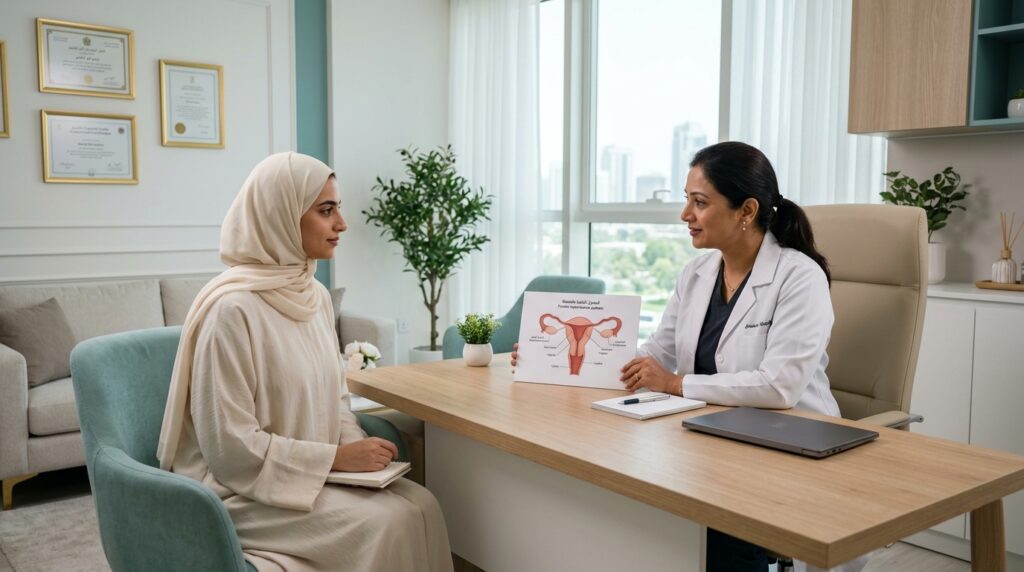
Vaginal rejuvenation Sharjah options exist across a wide spectrum of clinical treatments, yet finding honest, clear guidance has always been harder than it should be. You have been noticing something for a while, perhaps since your second delivery, or maybe it started gradually with age. A change in how things look externally. A persistent discomfort you have been quietly managing. A sudden dryness that makes intimacy uncomfortable. A difference in physical sensation that you have not mentioned to anyone. If you have searched these symptoms, you likely found a confusing mix of rigid medical terminology and glamourised beauty clinic advertisements. You probably closed the tab feeling more confused than when you started. At Erum Saba Medical Center, we believe you deserve clear, clinical information rather than marketing. This guide draws the line honestly. What Does Vaginal Rejuvenation Actually Mean? Vaginal rejuvenation is not a single procedure. It is an umbrella term covering a range of distinct treatments that address different concerns across separate anatomical areas. Some of these options are primarily functional, meaning they address physical symptoms that affect daily life and comfort. Others are primarily aesthetic, meaning they address appearance without a functional complaint. Many address both simultaneously. To understand your choices, it helps to understand the main anatomical areas covered under this umbrella. The vulva refers to the external visible anatomy including the labia majora and labia minora. The vaginal canal is the internal passage addressed by energy-based treatments like CO2 laser. The perineum is the specific tissue between the vaginal opening and the anus. The vaginal entrance is the opening itself, frequently affected by childbirth and natural ageing. Treatments fall into four distinct categories: non-surgical energy-based treatments such as CO2 laser and radiofrequency, surgical treatments including labiaplasty and perineorrhaphy, injectable options such as platelet-rich plasma (PRP), and topical or hormonal management including oestrogen creams. The right treatment depends entirely on what is bothering you and whether it has a functional component, an aesthetic component, or both. The Functional Conditions That Bring Women to This Consultation A woman does not need to be in severe distress to seek a medical assessment. Mild but persistent discomfort, reduced quality of intimacy, or physical chafing during daily activity are all legitimate reasons to speak with a specialist. The International Society for the Study of Vulvovaginal Disease (ISSVD) provides clear clinical definitions that help distinguish these conditions from normal anatomical variation. Vaginal Laxity (Internal) The internal vaginal walls can lose tone and elasticity after childbirth or due to oestrogen decline. This often results in a noticeable reduction in sensation during intercourse, a feeling of physical looseness, and sometimes difficulty with tampon retention. Depending on severity, this is treated with CO2 laser therapy or surgical vaginoplasty. For a detailed comparison of CO2 laser and perineorrhaphy, our guide on vaginal tightening in Sharjah covers both procedures in full clinical detail. Perineal Laxity and Structural Changes The perineum and vaginal entrance are frequently stretched or torn during vaginal delivery. When healing is incomplete, the entrance may feel structurally wider or cause physical discomfort during certain positions. According to the Royal College of Obstetricians and Gynaecologists (RCOG), perineal tears affect a significant proportion of women after vaginal birth and can have lasting functional consequences when not addressed. Genitourinary Syndrome of Menopause (GSM) The American College of Obstetricians and Gynecologists (ACOG) notes that the decline in oestrogen after menopause causes thinning, dryness, and fragility of vulvovaginal tissue. This produces burning, itching, painful intercourse, and increased susceptibility to local infections. GSM affects approximately 50 percent of postmenopausal women according to a PMC review on vaginal energy-based devices, yet remains significantly undertreated. Stress Urinary Incontinence Involuntary leaking of urine when coughing, sneezing, laughing, or exercising is caused by pelvic floor weakness and loss of urethral support after childbearing or with age. According to Mayo Clinic, pelvic floor weakness is the primary cause. A 2024 randomised controlled trial published in PMC found that vaginal laser therapy is a safe and viable treatment option for women with persistent stress urinary incontinence symptoms who have not responded to pelvic floor exercises. A PMC systematic review of CO2 laser for stress urinary incontinence found significant improvements in validated incontinence scores across multiple studies. Vulval Appearance Concerns with Functional Impact Enlarged or asymmetrical labia minora can cause physical discomfort during exercise, cycling, intercourse, or when wearing tight clothing. The RCOG confirms that when physical discomfort is documented, the concern crosses from cosmetic into functional territory and is highly addressable through labiaplasty. A 2022 meta-analysis published in Plastic and Reconstructive Surgery covering 46 studies and 3,804 patients found a pooled satisfaction rate of 99 percent after labia minoraplasty, with functional complaints being the primary motivator for seeking the procedure in 52.2 percent of cases. The Aesthetic Concerns That Are Also Valid Some women seek vaginal rejuvenation in Sharjah for concerns that are primarily about appearance. These include the shape of the labia minora, the volume of the labia majora, or changes to the mons pubis following weight fluctuations or caesarean delivery. Feeling self-conscious about your body in intimate contexts directly affects your confidence and wellbeing, and wanting to feel comfortable in your own skin is a legitimate reason to seek expert information. Purely cosmetic genital procedures carry the same surgical risks as any operation and require careful evaluation. The essential question is whether the perceived concern is causing genuine personal distress and whether your expectations are realistic. At ESMC, our professional approach is to assess the full picture honestly. If your concern is primarily aesthetic without a functional component, that conversation will be had openly during your private consultation with Dr. Erum Saba. Book a Private Gynaecological Consultation at ESMC Sharjah Treatments Available at ESMC: What Each One Does CO2 Fractional Laser A non-surgical treatment that targets the internal vaginal canal by stimulating collagen remodelling within the vaginal mucosa. According to PMC research on CO2 laser and vaginal rejuvenation, CO2 laser demonstrates significant improvements in vaginal dryness, dyspareunia, sexual function, and mild stress urinary
Baby Development Milestones UAE: Month-by-Month Guide for the First Year

Baby development milestones in UAE are something every new parent ends up Googling at 11 PM, usually with a specific and slightly panicked search. Your baby is 4 months old and your neighbor’s baby, also 4 months, is already rolling. Yours is not. The WhatsApp group has not helped. Someone said it is fine. Someone else said their baby rolled at 10 weeks. You have been searching for developmental delay for 40 minutes and you are not sure whether to call the clinic tomorrow or wait another month. This is one of the most universal experiences of first-year parenting in UAE where new parents have a smartphone and a restless mind at midnight. The good news is that most of this anxiety dissolves almost entirely once you understand what the actual clinical ranges are. Not what your neighbor’s baby did. Not what the parenting app says. What the evidence-based developmental windows actually show, month by month, for the first year of your baby’s life. That is exactly what this guide gives you. At ESMC, we prioritize the clinical tracking of baby development milestones to ensure every child reaches their full potential. Baby Development Milestones: Understanding That Milestones Are Ranges, Not Deadlines The single most important thing to understand before reading any milestone guide is this: developmental milestones are windows, not fixed dates. The word milestone implies a single moment in time. Clinically, they describe a range during which most babies acquire a skill. Some babies sit at 5 months. Others sit at 7.5 months. Both are entirely normal. According to the CDC’s updated 2022 developmental milestone guidelines, which were revised by an expert working group funded by the American Academy of Pediatrics, the new benchmarks reflect the age by which 75 percent of children achieve a milestone, replacing the older 50 percent average standard. The practical meaning: if a milestone is listed at a specific age and your baby has not yet reached it, that is a signal to come in for a review, not a certainty that something is wrong. Our clinical team helps parents navigate the complexities of baby development milestones with evidence-based data. Every baby’s neurological development follows the same sequence, but within that sequence, each child moves at their own pace. The sequence matters far more than the precise timing. Premature babies: If your baby was born early, always calculate milestones using adjusted age, not birth age, for the first two years. A baby born 6 weeks early who is now 4 months old should be assessed as a 2.5-month-old developmentally. This is the clinically correct approach and is especially relevant in the UAE, where premature birth rates are significant. Adjusting for prematurity is essential when evaluating baby development milestones in clinical settings. Multilingual households: UAE families commonly raise children in two, three, or four languages simultaneously. According to PMC research on bilingual language development, when total vocabulary across all languages is counted, bilingual children’s rate of vocabulary growth equals or exceeds that of monolingual children. Apparent delays in a single language are a feature of multilingual development, not a sign of disorder. Assessment should count words in all languages combined, not one language alone. Diverse linguistic environments are a significant factor in how we assess baby development milestones at ESMC. Month-by-Month Baby Development Milestones: The Complete First-Year Guide Birth to 1 Month Physical: Your newborn moves arms and legs in jerky, reflexive motions, turns their head from side to side when placed on their tummy, demonstrates a strong grasp reflex, and startles at loud sounds. Social and Emotional: Newborns recognize their mother’s voice immediately. They prefer faces over other objects and show brief periods of quiet alertness. Communication: Crying is the only communication tool at this stage, covering hunger, discomfort, over-stimulation, and tiredness. Cognitive: Your baby responds to sound and focuses on objects placed 20 to 30 centimeters away — precisely the distance from breast to face during feeding. Early sensory awareness is the first stage of tracking baby development milestones. UAE context: Skin-to-skin contact is equally important indoors with the AC on. A light muslin wrap keeps your baby warm while preserving the contact. Newborns in UAE are born into a richer language environment than most, with Arabic at the grandparents, a home language, and English in public spaces. This is a developmental advantage. Monitoring these specific baby development milestones provides a clear picture of neurological growth. 1 to 2 Months Physical: Your baby holds their head up briefly during tummy time, begins to uncurl from the fetal position, and starts to track moving objects with their eyes. Social and Emotional: The social smile appears in this window and it is one of the most significant milestones of the entire first year. Unlike the reflex smile of the newborn period, it is a direct response to a human face or voice. Communication: Cooing sounds begin. Different cries for hunger versus discomfort become distinguishable. Cognitive: Your baby recognizes familiar faces and shows a preference for high-contrast patterns. Red flag: If your baby is not smiling socially in response to a face or voice by 3 months, come in for a developmental review with our pediatric team at ESMC. Parents should record these baby development milestones to share during their next pediatric visit. 2 to 4 Months Physical: Head control becomes much steadier. Your baby pushes up on forearms during tummy time, kicks legs purposefully, and brings hands to their mouth repeatedly. Social and Emotional: Laughter and squealing emerge. Your baby shows whole-body excitement when they see you and begins to respond differently to familiar versus unfamiliar faces. Communication: Babbling begins, with consonant-vowel combinations starting to form. Your baby turns toward sounds and connects sound with its source. Cognitive: Objects are followed across the full visual field. Signs of boredom with repetitive stimuli emerge as an early marker of memory formation. Each of these baby development milestones serves as a building block for future physical and cognitive skills. 4 to 6 Months Physical: Rolling begins,
Vaginal Tightening in UAE: CO2 Laser and Perineorrhaphy Guide at ESMC
Vaginal tightening in UAE is something many women research privately, late at night, without ever saying a word to their doctor. You have not said anything to your husband. You have not mentioned it at your last check-up. You have just been quietly noticing that something has fundamentally changed since your second delivery. Maybe it is a persistent physical discomfort during daily movement. Maybe it is a noticeable reduction in sensation during intimacy. Perhaps it is the small, frustrating leaks of urine when you cough, sneeze, or laugh that you have silently learned to manage around. You have likely Googled these changes once or twice, felt a wave of uncertainty, and quickly closed the tab. These physical changes are extremely common, medically recognized, and absolutely legitimate to address. A large proportion of women experience them after vaginal delivery or during menopause. You do not need to travel to Dubai or abroad for advanced care. Safe, highly effective solutions are available at Erum Saba Medical Center in Sharjah, with an all-female gynecology team in a completely private clinical environment. ESMC offers a specialized approach to vaginal tightening for women seeking restored comfort and function. Understanding Vaginal Laxity: Why These Changes Happen The vaginal canal and its opening are supported by a layered network of pelvic floor muscles, connective tissue, and collagen fibres. During a vaginal delivery, these deep structural tissues must stretch significantly to allow the passage of the baby. According to the Royal College of Obstetricians and Gynaecologists (RCOG), perineal tears occur as the baby stretches the vagina and perineum during birth, and when a labour is prolonged or a baby is large, these supportive fibres can overstretch or tear. The American Journal of Obstetrics and Gynecology notes that perineal trauma affects 50 to 90 percent of women after vaginal childbirth, making it one of the most common yet under-discussed areas of women’s health. As women age, a separate process occurs. The natural decline in oestrogen levels during perimenopause and menopause causes a systemic loss of collagen throughout the body, directly impacting pelvic tissues. According to PMC research on Genitourinary Syndrome of Menopause (GSM), this hypoestrogenic state results in thinning, drying, and reduced elasticity of vaginal mucosal tissue, alongside loss of structural support and tone. This is not a superficial cosmetic concern. Vaginal laxity carries distinct functional consequences: stress urinary incontinence, vaginal dryness, physical discomfort during daily movement, and a marked reduction in sensation. Many women across the UAE carry these concerns silently for years, falsely believing they are an inevitable consequence of having children or growing older. They are not. Clinical interventions exist to address them effectively and safely. Understanding the underlying causes is the first step toward effective vaginal tightening. Two Distinct Solutions: CO2 Laser vs Perineorrhaphy When exploring options for vaginal tightening in UAE, the two main clinical approaches address entirely different anatomical structures and different degrees of tissue change. Understanding the distinction between them is essential before any decision is made. CO2 Fractional Laser (Non-Surgical) The fractional carbon dioxide laser is a non-surgical, outpatient treatment designed to rejuvenate the internal lining of the vaginal canal. The device delivers controlled, precise thermal energy into the superficial layers of the vaginal mucosa. According to a peer-reviewed study published in PMC on fractional CO2 laser for vaginal laxity, this thermal energy stimulates fibroblasts to produce new collagen and elastin fibres, resulting in measurable increases in vaginal wall thickness and tissue tightness over a 10 to 12 month post-treatment period. Further PMC research on CO2 laser and vaginal atrophy confirms that histopathological studies support CO2 laser therapy inducing collagen contraction with effects persisting for at least six months, and that 2 to 3 sessions produce consistent results in postmenopausal women with GSM symptoms. This non-surgical approach is highly effective for women experiencing mild to moderate internal laxity, post-menopausal dryness, or mild urinary leaking. However, laser energy cannot fix major structural muscle separations or significant perineal damage. If the primary concern is structural, laser therapy will provide tissue rejuvenation but cannot physically reconnect separated muscle fibers. Laser technology offers a minimally invasive route for vaginal tightening. Perineorrhaphy (Surgical) Perineorrhaphy is a precise surgical procedure designed to reconstruct and strengthen the perineum: the muscular area between the vaginal opening and the anus. According to the RCOG’s clinical guidance on perineal tears and episiotomies, this specific region is frequently stretched, torn, or cut via episiotomy during childbirth, and when the muscles fail to heal back into their original alignment, the vaginal entrance can remain structurally widened and unsupported. During a perineorrhaphy, the gynecologist removes excess, stretched scar tissue. The underlying separated perineal muscles are then re-approximated and secured with absorb-able sutures, physically reconstructing the structural foundation of the lower third of the vaginal canal. This surgical approach is ideal for women with moderate to severe perineal damage, visible gaping at the vaginal opening, or structural symptoms that have not improved with pelvic floor physiotherapy. Surgical intervention remains a gold standard for structural vaginal tightening. Because these two procedures address separate anatomical areas, they are not competing choices. Many women seeking vaginal tightening in UAE benefit most from an integrated approach combining internal laser therapy with external perineorrhaphy. This is carefully assessed during a consultation with Dr. Erum Saba. The choice between these treatments depends on individual goals for vaginal tightening. Side by Side: CO2 Laser vs Perineorrhaphy CO2 Fractional Laser Perineorrhaphy Procedure Type Non-surgical, thermal treatment Minor surgical procedure Primary Treatment Area Internal vaginal canal walls Perineal body and vaginal entrance Anaesthesia None or optional topical cream Local or regional anaesthesia Sessions Needed 1 to 3 sessions Single procedure Recovery Downtime Minimal, 2 to 3 days of pelvic rest 2 to 4 weeks for full healing Best Suited For Mild laxity, dryness, menopause changes Moderate to severe structural muscle tears Results Timeline Gradual improvement over 3 to 6 months Immediate structural correction after healing Can Be Combined Yes, frequently paired with perineorrhaphy Yes, frequently paired with CO2 laser Who Is a Candidate
My Child Won’t Sleep in Summer: Managing Disrupted Routines During Eid Break and School Holidays in UAE
Child sleep problems is one of the most common concerns our pediatric team at ESMC hears every May and June. It is 11:30 PM. Your child has been in bed since 9. They have been out of bed four times — for water, for the toilet, because they heard a noise, and most recently because they cannot sleep. You are lying on your side of the bedroom listening to them chat to themselves, calculating how many hours of sleep you will get if you fall asleep right now. The answer is not enough. This scenario is a classic example of how seasonal shifts trigger child sleep problems. This is UAE in May. It is Eid break. It is 38 degrees Celsius at 10 PM. The screens have been on since morning. The normal bedtime evaporated somewhere around Day 2 of the holiday and you have not seen it since. These environmental shifts are the primary drivers of child sleep problems during the holiday season. The good news is that every bit of this is fixable. Here is what is happening and exactly what to do about it. y following this guide, you can effectively manage and resolve child sleep problems. Note: This guide is designed to help parents identify and resolve common child sleep problems during the UAE summer. Why Summer and Eid Wreck Children’s Sleep So Effectively Four factors combine in UAE every May to create the perfect conditions for sleep disruption. None of them on their own would cause serious problems. Together, during the hottest month of the year, during a six-day holiday, they explain everything. The environment during these holidays is a primary driver for child sleep problems. The Lost Anchor: School Routine During term time, the school day acts as the body clock’s anchor. Fixed wake-up time, fixed meals, fixed physical activity. The body knows what time it is because every day follows the same structure. When school ends, that anchor is gone. According to the American Academy of Sleep Medicine, consistent sleep and wake schedules are one of the most important factors in children’s sleep quality. When those schedules disappear entirely during a holiday, the body clock drifts quickly and noticeably. Without a routine, families often struggle with escalating child sleep problems. The Heat The ideal sleep temperature for children is between 18 and 22 degrees Celsius. In UAE in May, bedroom temperatures without adequate AC can reach 28 to 32 degrees Celsius even at night, well above what allows the body to fall into deep, restorative sleep. Heat prevents the core body temperature drop that triggers the onset of deep sleep. A child lying in a warm room is physiologically fighting against sleep even when they are exhausted. Temperature regulation is vital for preventing heat-induced child sleep problems. The Screens Blue light from screens suppresses melatonin, the hormone that signals the brain it is time to wind down. A PMC study on screen time and sleep in school-aged children found that escalating screen time is consistently correlated with delayed sleep onset, shorter sleep duration, and disrupted circadian rhythms. A separate UAE-specific PMC study examining children in Sharjah and Dubai schools found that UAE children’s screen time increases significantly during school holidays, compounding the impact on sleep quality during the exact period when routines are already disrupted. Late-night device usage is a major contributor to modern child sleep problems. Eid Nights Specifically Late Eid nights visiting relatives, attending outdoor prayers, and the general excitement of celebrations push bedtime two to three hours past normal. One late night is entirely manageable. Three or four in a row creates what sleep researchers call social jet lag. The body clock shifts significantly, and getting it back requires days of deliberate effort, not just one early bedtime. Social jet lag frequently manifests as persistent child sleep problems in younger children. How Much Sleep Does My Child Actually Need to Prevent Child Sleep Problems? Many parents are either too relaxed or too anxious about sleep amounts because they do not know the actual recommended figures. According to the American Academy of Sleep Medicine guidelines, which are also cited in ESMC’s pediatric care guidance, these are the minimum healthy amounts: Age Group Recommended Sleep Per Day Notes Babies 4 to 12 months 12 to 16 hours Naps included Toddlers 1 to 2 years 11 to 14 hours Naps included Preschool 3 to 5 years 10 to 13 hours Naps included School age 6 to 12 years 9 to 12 hours Night sleep Teenagers 13 to 18 years 8 to 10 hours Night sleep In UAE summer, heat disrupts sleep quality and children often wake earlier due to light and rising temperatures. The total hours they actually get frequently falls short of these numbers even when they go to bed at a reasonable time. It is not just about hours in bed. It is about hours of genuine, restorative sleep. A 6-year-old going to bed at 11 PM and waking at 8 AM is getting 9 hours — just barely enough. But if the room is hot, there were screens until 10:30 PM, and they woke twice in the night, the quality of those 9 hours is nowhere near sufficient. Quality must be prioritized when managing child sleep problems. What Sleep Deprivation Actually Looks Like in Children This is the most important thing to understand: overtired children do not look tired. They look and behave in ways that parents consistently misread. If you have been wondering why your child is harder to manage than usual, check this list. Recognizing these signs helps parents differentiate between behavioral issues and child sleep problems. Hyperactivity and inability to settle. An overtired child who looks wired and energetic is often severely sleep-deprived. The body releases cortisol as a stress response to sleep loss, creating a second-wind effect that looks like energy but is actually exhaustion. The more tired they are, the more hyperactive they appear. This “second wind” is a deceptive symptom of child sleep problems. Emotional explosions out of proportion. Tantrums over small things, crying
Safe Eating During Eid in UAE: Diabetes, Blood Pressure and Pregnancy Guide

Healthy tips for Eid in UAE is something our team at Erum Saba Medical Center is asked about every year as the holiday approaches. The Eid table is one of life’s great pleasures. Mutton gravy that has been cooking since sunrise. Barbeque smoke drifting through the yard. Slow-cooked beef nihari and aromatic biryanis. Dishes arriving from neighbors, from relatives, and from the family three doors down. And you are sitting there, wanting to enjoy every single bite of it. Lets take a look at our Healthy tips so you can enjoy it all. But if you have diabetes, high blood pressure, or you are currently pregnant, Eid ul Adha presents a specific challenge that nobody really talks about openly. Almost everything on that table is red meat, rich in saturated fat, heavily spiced, and often quite salty. And the celebrations last six days. Through our healthy tips we’re going to guide you how to safely enjoy your Eid. This guide of healthy tips is not about telling you what you cannot eat. The healthy tips is about helping you make smart choices that let you enjoy Eid fully without ending the holiday with a blood sugar crisis, a blood pressure spike, or a pregnancy complication. At Erum Saba Medical Center, we want your celebration to be both joyful and safe with our safe healthy tips. Why Eid ul Adha Is Different for Your Health Understanding why healthy tips for Eid in UAE is more complex than usual starts with one fact: unlike Eid ul Fitr, which centers around sweets, Eid ul Adha is almost entirely about red meat consumed across multiple days. Even the most disciplined patients tend to increase their meat consumption significantly during this holiday, often setting aside their usual balanced diet entirely for the duration. The health challenges stack up quickly. According to Harvard T.H. Chan School of Public Health, considering healthy tips, red meat is high in saturated fat, which raises LDL cholesterol and puts pressure on the cardiovascular system. It is also high in protein, and while protein is necessary, large quantities consumed over multiple days can affect kidney function in those with existing conditions such as diabetes or hypertension. Traditional Eid preparations also involve high amounts of salt and oil that compound these effects. The UAE Government’s food safety guidelines and healthy tips specifically address the importance of strict food handling during summer heat when the risk of foodborne illness rises significantly, which is particularly relevant for pregnant women and those with compromised immune function from chronic conditions. The real danger for anyone with a chronic condition is not one heavy meal. It is six consecutive days of red meat with no vegetables, missed medications, disrupted monitoring routines, and no clinical oversight which goes beyond our healthy tips. Healthy Tips If You Have Diabetes: How to Enjoy Eid Meat Without a Blood Sugar Spike According to our healthy tips, It is a common misconception that meat is the primary enemy of blood sugar. In reality, lean, well-cooked, unprocessed red meat does not dramatically spike blood glucose the same way carbohydrates do. The real blood sugar dangers at the Eid table are the foods surrounding the meat: mounds of white rice, buttery naan, aromatic biryani, and sweetened drinks. According to Diabetes UK, healthy tips following portion control and carbohydrate pairing are the two most important factors in managing blood glucose during celebratory meals. A person with diabetes who enjoys a moderate portion of grilled lamb with a large fresh salad has managed their Eid meal well. The same person who pairs that meat with three portions of rice and a glass of sweetened juice has created a serious glycemic event. How to Balance Your Plate One of the best healthy tips. The half-plate rule is your most practical tool. Fill half your plate with salad or steamed vegetables first. This ensures you feel full without over-relying on heavier foods and slows the absorption of any carbohydrates you do eat. Keep meat portions to roughly the size and thickness of your palm, approximately 90 to 120 grams per meal. Choose one carbohydrate per meal and commit to it. If biryani is being served, make that your carbohydrate. Do not add naan or extra bread on top of it. Watch the hidden sugars. Dates are a beautiful Eid tradition, but they are sugar-dense. Limit yourself to two or three. Replace fruit juices and sodas with sparkling water or fresh lemon-mint without added sugar following our healthy tips. Smart Cooking Choices Choose the grill over the kadai where possible. Grilling or tikka-style preparation allows fat to drip away from the meat. Frying locks it in. If a dish is served in a heavy oil or cream-based gravy, use a slotted spoon to take the meat and leave the excess sauce behind. You get the flavor without the hidden fats and thickeners is one of the great healthy tips. Medication Is Non-Negotiable Take your medicines exactly as prescribed, even when your schedule is disrupted by visits and celebrations. Check your blood glucose more frequently than usual, ideally before each main meal and two hours after. Set a phone alarm for every dose. The meal is not dangerous. The missed medication is. If you are on insulin and unsure how to adjust your dose around larger or differently timed Eid meals, book a pre-Eid consultation with our General Physician team at ESMC to discuss a personalized plan. Healthy Tips If You Have High Blood Pressure: The Eid Risks You Need to Know For those with hypertension, the combination of saturated fats and high sodium in Eid cooking is the primary concern. According to the American Heart Association, sodium directly causes the body to retain fluid, which raises blood volume and increases pressure on artery walls. Traditional Eid cooking involves what we describe as triple-salting: once during marination, once during cooking, and often again at the table with pickles and condiments. A single Eid meal can contain two to three
Child Health During Eid in UAE: 8 Food Safety, Heat and Sleep Guide

Child health during Eid in UAE requires a little extra attention this year. Eid Mubarak. Eid ul Adha is almost here. The smell of qurbani meat cooking since early morning. Children in their new clothes, running between houses, collecting Eidi, and staying up way past bedtime. The dining table never seems to be cleared. Relatives you have not seen in months suddenly fill every room. It is the most wonderful few days of the year. Your child health during Eid ul Adha in UAE deserves the same attention you give to the preparation itself. In the middle of all that joy, little bodies are eating more than usual, sleeping less than usual, and spending time in the heat more than usual across a six-day break when many clinics are running reduced hours. A little knowledge goes a very long way to protect your child health during Eid. Here is what to watch for so you can enjoy every single moment of Eid without interruption. At our Paediatrics Department at ESMC, we believe a healthy Eid starts with a prepared parent. The Eid Health Picture: What Changes for Children This Year Child health during Eid in UAE is shaped by a combination of factors that rarely occur together at any other time of year. Eid ul Adha 2026 falls on May 27, right at the peak of UAE summer. This year, children are managing a combination of factors that rarely occur together at any other time. Significantly higher red meat consumption than usual. Disrupted sleep patterns across multiple days. Meal times that shift entirely. Intense UAE heat during morning prayers and family gatherings. Celebrations happening while daily routines are completely relaxed. None of these things is a problem on its own. Together, they create conditions for some predictable, very manageable health challenges for child health during Eid. Being aware of them in advance means you can keep the celebration going smoothly from the first morning of Eid to the last. Red Meat and Little Stomachs: Finding the Balance The heart of Eid ul Adha is the tradition of sharing meat. It is a blessed time, but for a young child, a sudden increase in beef and mutton can be a considerable challenge for the digestive system. Red meat is high in protein and fat, which naturally slows digestion. According to Harvard Health, high-fat foods take significantly longer to empty from the stomach than lower-fat alternatives, which is why children often feel uncomfortable after heavy meat-based meals. What Happens Inside a Child’s Digestive System During Eid When a child who usually eats a varied diet suddenly consumes large amounts of red meat for two or three consecutive days, their body responds in a few predictable ways. Constipation is the most common complaint our team at ESMC sees after Eid. Red meat contains very little dietary fibre. Without enough water and vegetables alongside it, a child’s digestive system can slow down significantly, and they may not pass a stool for several days. Bloating and cramps are particularly common in children under five. Eating heavy, fatty meat in a single sitting stretches the stomach in a way their systems are not accustomed to, leading to visible discomfort and tummy aches that can last through the night. Loose stools are paradoxically also possible. Some children react to rich, spicy gravies with mild diarrhoea rather than constipation. If your child develops this after Eid food, read our dedicated guide on summer diarrhea in children in UAE for step-by-step guidance on managing child health during Eid at home and knowing when to come in. Loss of appetite by Day 2 or 3 is very common and is generally not a cause for concern. It is often the body’s way of signalling that it needs time to process what it has already taken in before accepting anything more. Age-Specific Guidance for the Eid Table The goal is not to restrict your child from Eid food. It is to make sure they enjoy it without feeling unwell afterwards to protect child health during Eid. Children under 2 should be offered only small amounts of very well-cooked, soft, unseasoned meat. Their digestive systems are not ready for heavy spices or fatty cuts of any kind. Children aged 2 to 5 should have portions kept small, roughly two to three tablespoons of meat per meal. Always serve meat alongside plain rice, bread, or a few slices of cucumber or yogurt to aid digestion and slow fat absorption. Children aged 6 and above can enjoy most Eid foods, but encourage them to have one serving of salad or fruit alongside every meat dish to keep the digestive system moving normally for your child health during Eid. Food Safety in the UAE Summer: The Rules That Protect Your Child Health During Eid With Eid 2026 falling in late May, temperatures in UAE will easily exceed 40 degrees Celsius. The UAE Government’s food safety guidelines specifically address the importance of strict food handling during summer heat, when the risk of foodborne illness in children rises significantly. The 2-Hour Rule The bacterial danger zone sits between 5 and 60 degrees Celsius. In UAE’s May heat, cooked meat sitting at room temperature becomes unsafe for young children within just two hours. At many Eid gatherings, food is laid out at midday and guests continue arriving throughout the afternoon. By 3pm, that food has been out too long for a toddler’s sensitive stomach. Always serve children first, from freshly plated hot portions directly from the cooking pot to protect the child health during Eid. Reheating Correctly If you are serving leftovers, ensure the meat is piping hot throughout before giving it to a child. Cold spots in the center of a piece of meat are where bacteria survive and multiply. Reheat meat only once. Never reheat it a second or third time for a child. Handling and Sharing Between Households Children often play near the kitchen during Eid preparation. Ensure they wash their hands thoroughly with
Prickly Heat in Babies in UAE: 13 Proven Remedies & Warning Signs
Prickly heat in babies in UAE is one of the most common concerns parents bring to our team at Erum Saba Medical Center every summer. You are changing your baby’s nappy and you notice it. A cluster of tiny red bumps in the neck folds, maybe spreading to the chest. Your baby is fussier than usual, pulling at their clothes and struggling to settle for a nap. You have already changed the nappy brand, switched the baby wipes, and asked three people in your mum’s WhatsApp group. One said it is heat rash. One said it is an allergy. One said it is a milk rash from breastfeeding. You are still not sure, and as the UAE humidity climbs, the rash seems to be getting angrier. If this sounds familiar, take a deep breath. Skin rashes in babies during UAE summer are extremely common and the vast majority are completely harmless. Knowing which rash you are looking at, what actually helps, and what to stop putting on it makes all the difference for your baby’s comfort. This guide will help you identify the most common summer rashes, understand how they behave in our unique UAE climate, and know with confidence when home care is enough and when it is time to visit the clinic. Why UAE Summer Is So Hard on Baby Skin The transition into May in UAE brings a specific kind of environmental stress for a newborn or infant. According to the NHS, babies are born with immature sweat glands and simply cannot regulate their body temperature the way adults can. When the mercury hits 40 degrees Celsius, their bodies struggle to keep up resulting in prickly heat. The humidity factor is the real culprit. In UAE, humidity often peaks above 60 percent. High humidity means sweat cannot evaporate from the skin’s surface. Instead of cooling the baby down, moisture sits on the skin and clogs sweat ducts far faster than it would in a dry desert climate ending in prickly heat. The constant AC-to-heat transition is a hidden trigger for prickly heat that most parents do not think about. Moving your baby from a chilled 22 degree Celsius living room into the midday heat to get into the car causes a sudden sweat surge. According to Nemours KidsHealth, prickly heat develops specifically when the openings of sweat glands become blocked, trapping sweat underneath the skin. This process is accelerated significantly by rapid temperature changes. Cultural practices also play a role specific to UAE families. Whether it is a beautiful hand-knitted blanket from a grandmother or layering clothes in the AC to prevent the baby catching a cold, these extra layers trap heat against a temperature regulation system that is already overwhelmed. This is one of the most consistent patterns our pediatric team at ESMC sees every summer for Prickly heat. What Is Prickly Heat? The 3 Types Every Parent Should Know Prickly heat, medically known as miliaria, happens when sweat gets trapped under the skin because the tiny openings of the sweat ducts become blocked. According to the Mayo Clinic, instead of escaping through the skin surface, the sweat builds up underneath and causes bumps or blisters depending on how deep the blockage is. Type 1: Miliaria Crystallina This is the mildest form. It looks like tiny clear fluid-filled blisters sitting right on the surface of the skin, almost like beads of sweat that will not wipe away. On brown or South Asian skin tones, these can be very hard to see. The Cleveland Clinic notes that on darker skin, prickly heat bumps may appear grey or white rather than the classic clear appearance seen on lighter skin. The blisters break easily and do not usually itch or hurt. This type typically resolves on its own once the baby is cooled down and the sweat duct blockage clears. Type 2: Miliaria Rubra (Classic Prickly Heat) This is the most common form and the one most parents mean when they say heat rash. It occurs deeper in the skin and causes inflamed bumps. On brown skin, the bumps may not appear bright red. According to the clinical dermatology resource Don’t Forget the Bubbles, this form causes a prickling or burning sensation, which is why affected babies become noticeably fussier or prone to scratching at their clothing. Look for clusters that appear darker red, brownish-red, or even purple-toned, with the surrounding skin looking generally irritated or dusky. Type 3: Miliaria Profunda This is the least common form and affects the deeper dermis layer of the skin. The Mayo Clinic describes it as producing firm flesh-coloured bumps resembling goosebumps, which are generally less itchy but more persistent. If a rash looks like firm skin-coloured lumps that do not improve with cooling measures within 48 hours, it is time for a clinical assessment at ESMC’s Pediatrics Department. Important note for UAE parents: On brown or dark baby skin, prickly heat may not look red at all. Look for bumps that are darker than the surrounding skin, slightly purplish, or skin-colored with visible fluid. The texture of the skin and your baby’s level of discomfort are more reliable clues than color alone. Where Prickly Heat Appears: A Body Map for Babies According to the American Academy of Pediatrics via HealthyChildren.org, prickly heat in infants and young children concentrates in specific areas where sweat becomes trapped. In babies under 18 months, check these areas first: Heat Rash vs Diaper Rash vs Allergic Rash: How to Tell Them Apart This is the most common question our team at ESMC’s Pediatrics Department hears every summer. Heat Rash (Prickly Heat) Diaper Rash Allergic Rash Appearance Tiny bumps or blisters, red, brown, or purple-toned Raw, patchy, reddened skin Raised welts or hives Location Neck, chest, folds, armpits Only the nappy area Anywhere the trigger touched Trigger Heat, humidity, sweating Wet nappies, new wipes or foods New soap, fabric, or medicine Itchy? Yes, baby is fussy and scratchy Usually painful and stinging Very itchy and distressing Skin
Swimmer’s Ear in Children: 3 Warning Signs UAE Parents Must Know
Swimmer’s ear in children in Sharjah is one of the most common summer paediatric complaints our team at Erum Saba Medical Center sees every year. It is Day 3 of the Eid break. Your child has spent most of it in the pool, escaping the heat. Last night they started tugging at their ear and saying it felt funny. This morning the pain is worse. There might even be a little discharge on the pillowcase. You are wondering: is this serious? Is it from the pool? Do we need a doctor today? What Is Swimmer’s Ear and Why Do Children Get It More Than Adults? Swimmer’s ear, medically known as otitis externa, is an infection of the outer ear canal, the tube that runs from the opening of the ear to the eardrum. It is entirely different from a middle ear infection, which sits behind the eardrum and is usually linked to colds or upper respiratory illness. The distinction matters enormously because the treatment for each condition is completely different. How It Happens When water stays trapped in the ear canal after swimming, it creates a warm, moist, dark environment. Add Sharjah’s summer pool temperatures, where outdoor pools regularly reach 33 to 35 degrees Celsius, and you have near-ideal conditions for bacteria and fungi to multiply rapidly. According to the Mayo Clinic, even microscopic scratches in the ear canal lining from fingers, hairpins, or cotton buds can provide an entry point for bacteria to take hold and begin an infection. Why Children Are the Primary Targets Children are more vulnerable than adults for three specific reasons. First, anatomy. A child’s ear canal is narrower and sits at a more horizontal angle than an adult’s, making it significantly harder for trapped water to drain out naturally after a swim. The American Academy of Pediatrics notes that this anatomical difference directly explains why swimmer’s ear is predominantly a childhood condition rather than an adult one. Second, behaviour. Children spend more time fully submerged, play vigorously in the water, and are far less likely to sit still long enough for a proper ear-drying routine after getting out. Third, the UAE climate specifically. Sharjah’s outdoor pool temperatures in summer accelerate bacterial growth in a way that a cooler indoor pool simply does not. A pool sitting at 35 degrees Celsius in full sun is a meaningfully higher infection risk than any climate-controlled indoor facility. Signs and Symptoms: How to Know If It Has Become an Infection Not every blocked feeling after swimming is an infection. Use this progression to assess where your child is: Early Signs, Day 1 to 2 Itching inside the ear canal, mild redness at the outer opening, and a sensation of fullness or muffled hearing. At this stage, a good post-swim drying technique can sometimes prevent the infection from progressing further. Moderate Signs, Day 2 to 4 Increasing redness, clear or slightly cloudy fluid draining from the canal, and pain that worsens when chewing or opening the jaw. This stage requires a clinic visit. It will not resolve on its own. Severe Signs, Seek Care Immediately Intense pain that is keeping the child awake, thick yellow or green discharge, fever above 38.5 degrees Celsius, or any swelling extending to the face, jaw, or neck. Do not attempt to manage this at home. The 2-Second Tug Test This is the fastest way to distinguish swimmer’s ear from a middle ear infection at home. Gently wiggle your child’s earlobe or press the small firm bump called the tragus, directly in front of the ear canal opening. If your child winces, pulls away, or cries out, it is almost certainly swimmer’s ear affecting the outer canal. A middle ear infection typically produces no change in pain when the outer ear is touched from the outside. This single test gives you a reliable first indicator before you even arrive at the clinic, and it is the same test our paediatric team at ESMC uses as an initial check during every ear consultation. Swimmer’s Ear vs Middle Ear Infection: Why Getting This Right Matters The distinction between these two conditions is not just academic. It completely changes what treatment is needed. Swimmer’s Ear (Outer Ear) Middle Ear Infection Location Outer ear canal Behind the eardrum Main Cause Trapped water and bacteria Colds, viruses, upper respiratory illness Pain on Tug Test Yes, gets significantly worse No change Discharge Common, drains from canal Rare unless eardrum perforates Fever Uncommon unless severe Common Treatment Antibiotic ear drops Oral antibiotics Associated With Swimming, pool exposure Recent cold, flu, or blocked nose Antibiotic ear drops will not treat a middle ear infection because they cannot reach behind the eardrum. Oral antibiotics will not treat swimmer’s ear because they cannot penetrate the skin of the outer canal at effective levels. A professional paediatric assessment is essential to confirm which condition your child has before any treatment begins. If your child has recently had recurrent colds or ear infections alongside this episode, our guide on recurrent coughs, colds, and ear infections in Sharjah children explains when a pattern of ear problems needs a specialist review rather than another individual treatment course. Home Care: What You Can Do Right Now If your child is in pain and you are waiting to come in, these steps are safe to start immediately. Keep the ear completely dry. No swimming, no submerging in the bath, until the pain is fully resolved and the treatment course is finished. Pain management. Paracetamol or ibuprofen at the correct dose for your child’s weight provides meaningful relief while you arrange a clinic visit. Dosing by weight matters in children, so check the chart on the packaging carefully. Warmth on the outer ear. A warm, not hot, cloth held gently against the outside of the ear can ease discomfort while waiting for the drops to take effect. Protect during showers. Use a cotton ball lightly coated in petroleum jelly as a water barrier during bathing until the infection has fully