Teeth Grinding (Bruxism) in Adults and Children: Why UAE Stress Is Making It Worse and What to Do
Your partner told you about it first when discussing how stress or a late night affects your sleep. If you are struggling with the symptoms of bruxism UAE residents frequently experience, you might know the feeling of waking up after a long night to a strange sound. Apparently you make an involuntary noise in the night that they describe as someone slowly dragging a fork across a ceramic plate. You did not believe them until you woke up one morning with a jaw that ached and a dull headache that sat behind your eyes for most of the day. You mentioned it to your dentist at your last routine check-up, and they showed you the wear on your back molars. It was more than expected for your age, and certainly more than was there eighteen months ago. Chronic teeth grinding in the UAE is significantly more prevalent than most people realise. The unique local environment specifically contributes to it in ways that standard international medical guides do not address. Initiating an early bruxism treatment protocol is the most effective way to arrest this accelerated wear before it requires extensive rehabilitation. This comprehensive guide covers what teeth grinding is actually doing to your dental health, why it happens, what the specific regional drivers are, and what the treatment looks like for both adults and children. Starting a tailored bruxism treatment plan is the most effective way to address these regional environmental drivers. Understanding the Condition and the Importance of Bruxism Treatment The constant friction from night-time grinding results in severe tooth wear and flattening. The biting surfaces of your back teeth are progressively worn flat over time, removing the natural cusps necessary for efficient chewing. Enamel is the hardest substance in the human body, but it does not regenerate once it is lost. Bruxism treatment solves these issues for better oral health. When this protective enamel layer is worn away, the softer dentine layer beneath becomes exposed to the oral environment. This leads to significant tooth sensitivity to hot, cold, and sweet foods. In advanced cases, teeth can become visibly shorter, which heavily impacts the aesthetic appearance of your smile and alters your bite relationship. Prioritizing an evidence-based bruxism treatment ensures that your enamel remains protected from further mechanical wear. The extreme repetitive force of chronic grinding also causes hairline cracks in teeth that are often invisible to the naked eye. These structural micro-fractures compromise the entire tooth integrity. They can propagate suddenly when you bite into hard food, causing a tooth to split open completely. A cracked tooth that might otherwise need a simple protective crown can easily become an extraction case if the crack extends below the gum line. If you are seeking cosmetic improvements like a Hollywood smile UAE dental specialists emphasize that underlying grinding must be treated first to avoid destroying your cosmetic dental work. Fillings, crowns, veneers, and bridges are all highly susceptible to premature failure under these immense forces. Professional bruxism treatment serves as a safeguard for these complex dental investments. Beyond the teeth, chronic grinding places excessive strain on the temporomandibular joint, which connects your jaw to your skull. According to official Mayo Clinic guidance on TMJ disorders, teeth grinding stands as one of the primary risk factors for TMJ dysfunction. This results in painful clicking, limited jaw opening, earaches, and chronic morning headaches centered around the temples. The masseter muscles become hypertrophied from constant overuse, creating a visible squaring of the jawline and ongoing facial pain. This constant muscle activity causes microarousals that disrupt sleep quality, creating a vicious cycle where poor sleep quality worsens stress, which in turn worsens your grinding intensity. Comprehensive bruxism treatment addresses these sleep disturbances to restore your overall health. What Bruxism Is Doing to Your Teeth and Jaw The constant friction from night-time grinding results in severe tooth wear and flattening. The biting surfaces of your back teeth are progressively worn flat over time, removing the natural cusps necessary for efficient chewing. Enamel is the hardest substance in the human body, but it does not regenerate once it is lost. Seeking timely Bruxism Treatment is critical for maintaining your natural chewing function and occlusal stability. When this protective enamel layer is worn away, the softer dentine layer beneath becomes exposed to the oral environment. This leads to significant tooth sensitivity to hot, cold, and sweet foods. In advanced cases, teeth can become visibly shorter, which heavily impacts the aesthetic appearance of your smile and alters your bite relationship. Seek bruxism treatment and get your smile back. The extreme repetitive force of chronic grinding also causes hairline cracks in teeth that are often invisible to the naked eye. These structural micro-fractures compromise the entire tooth integrity. They can propagate suddenly when you bite into hard food, causing a tooth to split open completely. Intervening with a dedicated Bruxism Treatment prevents these silent cracks from leading to catastrophic tooth loss. A cracked tooth that might otherwise need a simple protective crown can easily become an extraction case if the crack extends below the gum line. If you are seeking cosmetic improvements like a Hollywood smile Sharjah dental specialists emphasize that underlying grinding must be treated first to avoid destroying your cosmetic dental work. Fillings, crowns, veneers, and bridges are all highly susceptible to premature failure under these immense forces, you should seek bruxism treatment. Beyond the teeth, chronic grinding places excessive strain on the temporomandibular joint, which connects your jaw to your skull. According to official Mayo Clinic guidance on TMJ disorders, teeth grinding stands as one of the primary risk factors for TMJ dysfunction. This results in painful clicking, limited jaw opening, earaches, and chronic morning headaches centered around the temples. Addressing joint strain through specialized Bruxism Treatment can alleviate chronic facial discomfort and TMJ inflammation. The masseter muscles become hypertrophied from constant overuse, creating a visible squaring of the jawline and ongoing facial pain. This constant muscle activity causes microarousals that disrupt sleep quality, creating a vicious cycle where poor sleep quality worsens stress, which in turn worsens your grinding intensity. These issues
Choking Risks in Young Children: What Every UAE Parent Needs to Know and How to React in the First 60 Seconds
It happens in seconds. Your 18-month-old is eating lunch, you turn to answer a message, and when you look back they are silent. Not crying. Not coughing. Silent. Their faces are changing color. You pick them up and your mind goes completely blank. Staying alert at every meal is a fundamental rule of child safety. Choking in young children in UAE is one of the most common pediatric emergencies our team at Erum Saba Medical Center sees. It is also one of the most survivable, but only if the person present knows exactly what to do in the first 60 seconds. Most parents in the UAE have never been trained in infant or child first aid. This guide changes that. Read it, save it, and share it with every caregiver in your child’s life. Empowering yourself with knowledge is the best way to ensure long-term child safety. Why Young Children Choke More Than Older Children and Adults Children under 4 are at the highest risk of choking for three specific reasons that are entirely developmental and not about negligence. Understanding these physical limitations is key to maintaining child safety. First, their airway diameter is significantly narrower than an adult’s. An object that an adult would cough out easily can completely obstruct a small child’s airway. The trachea of a one-year-old is approximately the width of a drinking straw. Ensuring food is properly textured supports consistent child safety. Second, their molar teeth do not fully emerge until around age 2 to 3. Before molars are present, children cannot properly grind food. They swallow pieces that are far larger than they appear to manage, even when they seem to be chewing confidently. Environmental management is a primary pillar of child safety. Third, children in this age group explore the world primarily through their mouths. Every small object within reach is a potential airway hazard. This is not curiosity that can be trained away. It is a developmental stage that must be managed environmentally. Data-driven awareness helps families prioritize child safety. According to global data on child injury prevention from organizations like the WHO, choking and suffocation are among the leading causes of unintentional injury death in children under five globally, with the highest risk concentrated in the 1 to 3 year age group. Prioritizing Child Safety With Highest Risk Foods In A UAE Household This is not just a generic international list. In UAE households, local food culture creates specific risks that parents must actively manage every single day. Adapting to local culinary habits is essential for child safety. Food Risk Level Safe Preparation Dates Very High Stone removed, mashed or cut very small Grapes Very High Cut lengthwise into quarters Whole nuts Very High Avoid completely under age 4 Meat on bone Very High Remove all bone before serving Hard candy Very High Avoid completely under age 4 Rice cakes Moderate Supervise closely, small pieces only Corn and peas Moderate Mash or cut under age 2 Gummy sweets Moderate Supervise under age 4 The Highest Risk Objects in a UAE Home Non-food choking hazards are common across modern UAE apartments and villas, often left out on counters or low tables. Daily room sweeps are a practical step toward child safety. EMERGENCY CALLOUT: Button Battery Swallowing If you suspect your child has swallowed a button battery, go to the emergency department immediately. Do not wait for symptoms. Do not give food or water. Chemical burns from button batteries begin within 2 hours and can cause life-threatening damage to the oesophagus. Call 998 immediately. How to Tell if Your Child is Choking: The Critical Distinction This distinction is what determines whether a parent intervenes physically or steps back. Effective Coughing (Do Not Intervene Physically) If your child is coughing loudly, crying, or making any vocal sound, their airway is partially open and they are moving air. Encourage them to keep coughing. Do not slap their back or put your fingers in their mouth when they are coughing effectively as this can push the obstruction further down or introduce a second hazard. Knowing when to observe rather than touch is crucial for child safety. Complete or Severe Obstruction (Intervene Immediately) The child cannot cough, cry, or make any sound. They may be making a high-pitched wheeze or complete silence while visibly struggling to breathe. Their face is becoming red, then blue or pale. They may clutch their throat. They cannot speak. This is a complete or near-complete airway obstruction and requires immediate physical intervention. Acting swiftly during a total blockage is life-saving child safety. CRITICAL FACT: Silence is the Signal A choking child who cannot cry or cough needs you to act in the next 60 seconds. Call 998 and begin first aid immediately. Recognizing the danger of silence is a core tenet of child safety. Critical Child Safety Protocols: First Aid Steps For The First 60 Seconds Follow these protocol steps precisely based on your child’s age group for child safety. For Babies Under 1 Year 1.Call 998:Immediate Action. Call 998 or ask someone nearby to call while you begin first aid. Do not stop to call 998 yourself if you are alone, begin first aid first and call between steps if possible. Activating emergency services immediately is the first step in child safety. 2.Position the Baby:Face-Down. Hold your baby face-down along your forearm, supporting their head. Their head must be positioned lower than their chest. 3.Deliver 5 Back Blows: Heel of Hand. Give 5 firm back blows between the shoulder blades using the heel of your hand. Each blow should be a separate, deliberate strike, not a continuous rub. 4.Flip and Position: Face-Up. Turn the baby face-up along your other forearm, keeping the head lower than the chest. 5.Deliver 5 Chest Thrusts: Two Fingers. Give 5 chest thrusts. Place 2 fingers on the centre of the chest just below the nipple line. Push down approximately one third of the chest depth. Each thrust is a separate, deliberate movement. 6.Check the Mouth:
PRP for Hair Loss UAE: Does It Actually Work and Is It Right for You?
PRP for hair loss UAE searches have exploded in recent years, but so has the marketing surrounding it. You noticed it in the shower drain first, then on your pillow, and finally in your hairbrush. You told yourself it was seasonal, or stress, or the desalinated water here in the Emirates. It has been eight months and the shedding is still happening. You have tried the expensive thickening shampoo from the pharmacy, the biotin capsules your friend recommended, and the scalp serum you saw on Instagram. Despite all of it, your hair looks visibly thinner at the crown and at the temples than it did two years ago. You want to know honestly: does PRP actually work, or is it another treatment that sounds more promising than it is? Platelet-Rich Plasma therapy is one of the most searched aesthetic treatments in the region and also one of the most overpromised. This guide gives you what the marketing does not: a clear, evidence-based answer to whether PRP is appropriate for your specific type of hair loss, what realistic results look like, and exactly what to expect at Erum Saba Medical Center in Sharjah. Understanding Your Hair Loss First: Type Matters PRP does not work for every type of hair loss. The specific cause of your shedding determines whether PRP is an appropriate treatment, a complementary tool, or not indicated at all. Treating hair loss without first identifying the underlying clinical cause is one of the most common and most costly mistakes women make. Androgenetic Alopecia (Female Pattern Hair Loss) Gradual thinning at the crown and widening of the centre part line, caused by genetic sensitivity of hair follicles to dihydrotestosterone (DHT). This is the most common type of permanent hair loss in women and the condition with the strongest clinical evidence base for PRP therapy. Because the follicles are miniaturising but not yet lost, they remain responsive to growth factor stimulation. Telogen Effluvium (Diffuse Shedding) A sudden or gradual increase in overall shedding triggered by a specific event: childbirth, rapid weight loss, surgery, crash dieting, thyroid dysfunction, severe stress, or nutritional deficiency. This is extremely common among women in the UAE and frequently misidentified as permanent hair loss. In many cases it resolves on its own once the underlying trigger is removed. PRP can accelerate recovery but may not be strictly necessary if the root cause is addressed. Postpartum Hair Loss A specific and very common form of telogen effluvium triggered by the sudden drop in oestrogen levels after delivery. It affects a significant proportion of our patient population in Sharjah. It is often addressed as part of a comprehensive postpartum restoration plan alongside other treatments in the yummy mummy makeover Sharjah programme. Alopecia Areata Patchy hair loss caused by an autoimmune response. PRP has emerging evidence as a supportive treatment but is not a first-line option and must be managed with expert dermatological input to control the underlying inflammation. Traction Alopecia Hair loss localised at the hairline and temples from repeated tension caused by tight hairstyles, heavy braids, extensions, or securely fastened hijab pins. This is increasingly observed in UAE communities. PRP cannot reverse traction alopecia if the follicles have been permanently scarred. Early intervention before scarring occurs is essential. Scarring Alopecias A group of inflammatory conditions that permanently destroy hair follicles and replace them with scar tissue. PRP is strictly contraindicated in active scarring alopecias. These conditions require immediate specialist dermatological management. Do not begin any cosmetic hair treatment without a confirmed diagnosis. A proper clinical diagnosis before any treatment is the absolute foundation of effective hair loss management. The team at Aesthetics and Dermatology at ESMC assesses the exact cause of hair loss at every initial consultation before recommending any procedure. What Is PRP and How Does It Work for Hair? Platelet-Rich Plasma is a concentrated biological solution produced from a small sample of your own blood, drawn at the clinic and spun in a specialised centrifuge to isolate the platelet-rich plasma layer. Platelets contain a dense supply of growth factors including platelet-derived growth factor (PDGF), vascular endothelial growth factor (VEGF), insulin-like growth factor (IGF), and transforming growth factor (TGF-beta). When this concentrated growth factor solution is injected into the scalp at the level of the hair follicles, it extends the active growth phase of the hair cycle (anagen), stimulates microcirculation to improve nutrient supply to the follicle, and slows the miniaturisation process caused by androgenetic alopecia. According to a 2024 systematic review and meta-analysis published in PMC covering 21 randomised controlled trials and 628 participants, PRP treatment significantly enhances hair density and thickness in women experiencing telogen effluvium and female pattern hair loss, with adverse effects that were generally mild and transient. What PRP cannot do is equally important. It cannot regenerate follicles permanently destroyed by scarring. It cannot reverse advanced androgenetic alopecia where follicles have already been completely lost. It is not a permanent cure and requires maintenance. Results develop gradually and are not visible for 3 to 6 months after beginning treatment. What the Clinical Evidence Actually Says What the Evidence Supports The strongest clinical evidence for PRP exists for androgenetic alopecia and chronic telogen effluvium. The 2024 PMC systematic review covering 21 RCTs and 628 women confirmed statistically significant, measurable improvements in hair density and thickness across multiple independent trials, with no notable difference in pain or discomfort between PRP and control groups. A 2021 comprehensive PMC systematic review and meta-analysis on PRP for female androgenetic alopecia covering 42 studies and 1,569 cases including 776 female participants found that PRP showed positive efficacy in treating female pattern hair loss in hair density compared to control groups. For patients with a negative response to topical minoxidil, PRP offered an effective alternative treatment option. A 2024 meta-analysis comparing PRP versus topical minoxidil across 9 RCTs and 451 participants found no significant difference in hair density outcomes between the two treatments, meaning PRP is clinically comparable to minoxidil for androgenetic alopecia in terms of measurable outcomes.
Bleeding Gums in Pregnancy Sharjah: Why It Happens and What You Must Do About It
Bleeding gums in pregnancy Sharjah mothers experience is one of those changes that sits quietly in the background of an already overwhelming first trimester. You noticed it this morning. A pink tinge in the sink after brushing. Your gums look a little puffy, a little redder than usual. You mentioned it to your mother-in-law and she said it was perfectly normal in pregnancy and not to worry about it. You have had it in the back of your mind since. Normal or not, something has changed in your mouth and you want to know whether you are supposed to do something about it. The answer is yes. Bleeding gums in pregnancy are genuinely very common, but common does not mean harmless. The hormonal changes of pregnancy create a specific oral environment that can escalate from manageable gum inflammation to a condition with documented links to premature birth and low birth weight if it is left untreated. Here is what you need to know, trimester by trimester, and exactly what to do about it. Why Pregnancy Causes Bleeding Gums During pregnancy, oestrogen and progesterone levels rise dramatically. According to clinical research published in PMC on pregnancy gingivitis prevalence, the hormonal changes of pregnancy directly increase the inflammatory response of gum tissue to dental plaque. Progesterone in particular causes the same level of plaque that would cause minimal reaction before pregnancy to now trigger significant gum inflammation, redness, and bleeding. This condition has a specific clinical name: pregnancy gingivitis. According to a systematic review and meta-analysis published in PMC, gestational gingivitis affects between 36 and 100 percent of pregnant women globally, with the condition being amplified by elevated progesterone levels that alter the subgingival microflora and inflammatory mediator production. Progesterone levels peak in the second trimester, which is why many women notice a worsening of gum symptoms between weeks 14 and 28. However, symptoms can begin as early as the first trimester and persist through delivery. Pregnancy gingivitis is not caused by pregnancy hormones alone. It is caused by the interaction of those hormones with pre-existing dental plaque. A woman with excellent oral hygiene and minimal plaque before pregnancy will have a much milder reaction than a woman with moderate plaque buildup. This is clinically important because it means the condition is both preventable and manageable. The UAE morning sickness complication. In Sharjah’s community where dietary nausea can be pronounced in early pregnancy, morning sickness causes repeated exposure of teeth to stomach acid. This acid erodes enamel and inflames the gum margin over time. For women experiencing frequent vomiting in the first trimester, the combination of acid erosion and hormonal gum inflammation can be particularly severe. Why This Is Not Something to Ignore The link between periodontal disease and adverse pregnancy outcomes is one of the most well-researched areas of dental medicine. A systematic review and meta-analysis published in PMC covering 11 cohort studies found a statistically significant association between periodontal disease in pregnancy and preterm birth (relative risk 1.67) and low birth weight (relative risk 2.53). A separate PMC umbrella review confirmed that mothers with periodontal disease may have up to seven times the risk of delivering preterm or low birth weight babies compared to those with a healthy periodontium. How this happens: Periodontopathogenic bacteria from inflamed gums can enter the bloodstream and reach the fetoplacental unit directly. Inflammatory mediators including prostaglandin E2, interleukins, and TNF-alpha produced in the subgingival inflammation zone can trigger responses that mimic the prostaglandin cascade of labour, potentially stimulating premature contractions. The gestational diabetes connection. Periodontal inflammation can worsen insulin resistance, creating a bidirectional relationship with gestational diabetes. Women with gestational diabetes in Sharjah should have their oral health assessed as part of their overall pregnancy management. The critical distinction: Pregnancy gingivitis at the early stage is not the same as periodontal disease. Gingivitis is reversible inflammation of the gum surface. If treated promptly, it does not progress. If left untreated throughout pregnancy, it can advance to periodontitis, which involves destruction of the bone supporting the teeth and carries all of the above risks. Bleeding gums in pregnancy are not something to wait out. They are a signal that gum tissue needs professional attention. The earlier this is addressed, the simpler the treatment and the lower the risk to your pregnancy. What Pregnancy Does to the Rest of Your Mouth Pregnancy tumours (pyogenic granuloma). In some women, a localised overgrowth of gum tissue develops between teeth, usually in the second trimester. This looks alarming but is completely benign and not cancerous despite the name. It bleeds easily on contact, is caused by hormonal changes rather than infection, and typically resolves after delivery. If it causes significant discomfort or bleeding during eating, it can be safely removed during pregnancy. Increased cavity risk. Morning sickness acid, increased sugar cravings, reduced saliva production, and changes in snacking patterns all combine to increase cavity formation during pregnancy. Many women in Sharjah defer dental visits during pregnancy assuming treatment is unsafe, which allows cavities to progress unchecked throughout the full 9 months. Tooth mobility. Some women notice their teeth feel slightly looser during pregnancy. This is caused by the hormone relaxin affecting the periodontal ligament temporarily. It is usually reversible after delivery and is not a sign of impending tooth loss. Dry mouth. Pregnancy hormones can reduce saliva flow, which is the mouth’s natural defence against bacteria and acid. Reduced saliva increases the risk of both cavities and gum disease simultaneously. Is Dental Treatment Safe in Pregnancy? The short answer is yes, and this is one of the most important messages in this guide because avoidance of the dentist during pregnancy is one of the most common and most harmful patterns our team sees in Sharjah. The NHS is unequivocal that you should tell your dentist you are pregnant and continue having dental check-ups. The American College of Obstetricians and Gynecologists (ACOG) and the American Dental Association all state that routine and necessary dental treatment is safe throughout pregnancy. Dental
Asthma in Children Sharjah: Why UAE Summer Makes It Worse and What to Do
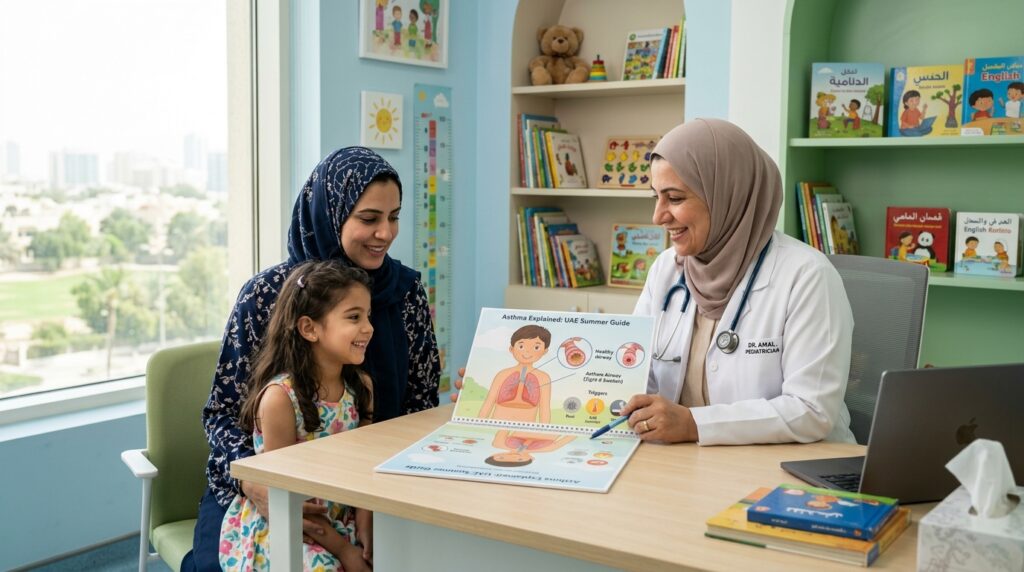
Asthma in children in Sharjah becomes significantly harder to manage every time the UAE summer arrives, and the reason is not simply the heat. It is 2am. Your seven-year-old is coughing again. Not the barking cough of croup, and not the wet cough of a standard school cold. It is that dry, persistent, slightly wheezy cough that comes in waves and will not settle. They had the same exhausting cough through April. You saw it last summer too. You have started wondering whether the inhaler from the GP in December is still the right one. More than anything, you wonder why the UAE environment seems to make it so much worse than it was before you moved here. You are right to question it. The UAE summer is one of the most hostile environments in the world for a child with sensitive airways. Most international asthma management guidelines were written for cooler, Western climates. They do not account for a place where outdoor temperatures reach 45 degrees Celsius with 80 percent humidity while indoor air is bone dry from constant air conditioning. This guide was written specifically for Sharjah parents navigating these exact conditions. Why Asthma and Allergies Are So Prevalent in the UAE Many parents wonder whether their child developed breathing difficulties because of where they live. It is a legitimate concern. The medical evidence confirms it: children in the Gulf region experience significantly higher rates of respiratory conditions than global averages. The World Health Organization places global childhood asthma prevalence at approximately 9 percent. A large multicenter cross-sectional study published in PMC involving 3,436 children from Dubai and the Northern Emirates, including Sharjah, found asthma prevalence of 11.9 percent in 6 to 7 year olds and 9.8 percent in 13 to 14 year olds. The ISAAC study in UAE schools previously reported physician-diagnosed asthma of 13 percent in 3,200 children aged 6 to 13 across all seven Emirates. The same PMC multicenter study found that the Northern Emirates, including Sharjah, showed particularly high prevalence of allergic rhinitis and atopic dermatitis in school-age children, confirming that the Sharjah environment presents a specific respiratory risk profile. Prolonged indoor living reduces microbial diversity. Because of the intense heat, children in the UAE spend a disproportionate amount of time in sealed, air-conditioned spaces. According to the hygiene hypothesis, well-documented in clinical literature, this reduces early childhood exposure to the diverse microbial environments that train the immune system. The result is higher rates of allergic sensitisation. UAE desert dust is not ordinary household dust. It contains a complex mix of fine mineral particles, biological allergens, and microscopic pollutants from rapid construction and heavy traffic. According to PMC research on desert dust and respiratory health, PM2.5 particles from desert dust activate immune cells in the airways, leading to inflammation, oxidative stress, and impaired lung function. These particles are small enough to bypass nasal filtration and penetrate deep into a child’s small airways. Genetic predisposition in South Asian populations. Research consistently shows a stronger genetic tendency toward atopic diseases in South Asian populations, which make up a significant proportion of Sharjah’s expatriate community. If a parent has a history of eczema, hay fever, or asthma, their child’s risk of reacting to local triggers is meaningfully elevated. Why UAE Summer Specifically Makes Asthma and Allergies Worse The arrival of June brings specific climate changes that directly irritate hyperreactive airways. Understanding each trigger helps you predict and prevent flare-ups. Heat and Hot Air Inhalation Breathing air above 35 degrees Celsius causes reflexive airway constriction in children with sensitive lungs. Even brief exposure to peak daytime heat during a short walk to the car can trigger bronchospasm. The high relative humidity outdoors does not protect against this: the absolute moisture content of superheated air interacts with the bronchial lining in ways that cooler, moister air does not. Dust Storms and the Haboob Sharjah regularly experiences intense dust storms from late spring through September. During and immediately after a dust event, concentrations of airborne PM2.5 rise to clinically significant levels. A PMC review on PM2.5 and children’s lung function found that short-term PM2.5 exposure produces measurable reductions in schoolchildren’s lung function, with the association strongest in children with existing respiratory sensitivity. Parents commonly notice coughing and wheezing spikes in the 24 to 48 hours following a visible dust storm. Ground-Level Ozone Pollution Intense summer sunlight interacts with local traffic and industrial emissions to create ground-level ozone, a powerful respiratory irritant. Children are significantly more vulnerable than adults because they breathe more rapidly and inhale more air relative to their body weight during the same period of outdoor exposure. AC Systems and Indoor Air Quality When cooling systems run continuously without regular deep servicing, they accumulate moisture, dust mites, and mould species common in humid Gulf environments. Every time the fan runs, it circulates these allergens through the home. Additionally, continuous AC removes moisture from indoor air, dropping relative humidity to 20 to 30 percent, well below the 40 to 50 percent range that supports healthy mucosal clearance in the airways. The AC-to-Outdoor Temperature Shock Moving repeatedly between a 22-degree Celsius interior and 44-degree Celsius outdoor heat forces the smooth muscle surrounding the airways to contract suddenly. UAE children experience this thermal shock multiple times daily during school holidays, weekend activities, and family outings, creating a cumulative airway stress that children in more stable climates never face. Swimming Pool Chloramines Swimming is the most popular summer activity in Sharjah, but it carries hidden respiratory risks. When chlorine interacts with organic matter in pool water, it produces chloramine gases that sit just above the water surface. Indoor pools are particularly problematic because the gases concentrate in enclosed air. Prolonged chloramine exposure is a well-documented asthma trigger in children who swim regularly. Recognising Asthma: Is It Asthma or Just Frequent Colds? Childhood asthma remains significantly underdiagnosed throughout the Emirates. Many parents mistake recurrent wheezing and chronic coughing for a sequence of separate infections when the pattern is actually a single, uncontrolled
Vaginal Rejuvenation Sharjah: An Honest Guide to What It Is, Who It Is For, and What Results to Expect
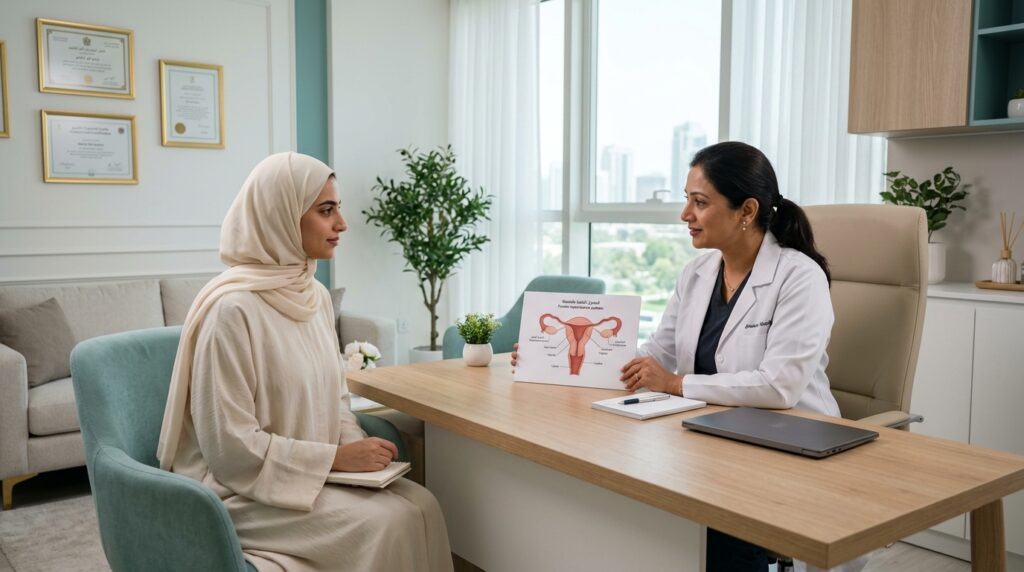
Vaginal rejuvenation Sharjah options exist across a wide spectrum of clinical treatments, yet finding honest, clear guidance has always been harder than it should be. You have been noticing something for a while, perhaps since your second delivery, or maybe it started gradually with age. A change in how things look externally. A persistent discomfort you have been quietly managing. A sudden dryness that makes intimacy uncomfortable. A difference in physical sensation that you have not mentioned to anyone. If you have searched these symptoms, you likely found a confusing mix of rigid medical terminology and glamourised beauty clinic advertisements. You probably closed the tab feeling more confused than when you started. At Erum Saba Medical Center, we believe you deserve clear, clinical information rather than marketing. This guide draws the line honestly. What Does Vaginal Rejuvenation Actually Mean? Vaginal rejuvenation is not a single procedure. It is an umbrella term covering a range of distinct treatments that address different concerns across separate anatomical areas. Some of these options are primarily functional, meaning they address physical symptoms that affect daily life and comfort. Others are primarily aesthetic, meaning they address appearance without a functional complaint. Many address both simultaneously. To understand your choices, it helps to understand the main anatomical areas covered under this umbrella. The vulva refers to the external visible anatomy including the labia majora and labia minora. The vaginal canal is the internal passage addressed by energy-based treatments like CO2 laser. The perineum is the specific tissue between the vaginal opening and the anus. The vaginal entrance is the opening itself, frequently affected by childbirth and natural ageing. Treatments fall into four distinct categories: non-surgical energy-based treatments such as CO2 laser and radiofrequency, surgical treatments including labiaplasty and perineorrhaphy, injectable options such as platelet-rich plasma (PRP), and topical or hormonal management including oestrogen creams. The right treatment depends entirely on what is bothering you and whether it has a functional component, an aesthetic component, or both. The Functional Conditions That Bring Women to This Consultation A woman does not need to be in severe distress to seek a medical assessment. Mild but persistent discomfort, reduced quality of intimacy, or physical chafing during daily activity are all legitimate reasons to speak with a specialist. The International Society for the Study of Vulvovaginal Disease (ISSVD) provides clear clinical definitions that help distinguish these conditions from normal anatomical variation. Vaginal Laxity (Internal) The internal vaginal walls can lose tone and elasticity after childbirth or due to oestrogen decline. This often results in a noticeable reduction in sensation during intercourse, a feeling of physical looseness, and sometimes difficulty with tampon retention. Depending on severity, this is treated with CO2 laser therapy or surgical vaginoplasty. For a detailed comparison of CO2 laser and perineorrhaphy, our guide on vaginal tightening in Sharjah covers both procedures in full clinical detail. Perineal Laxity and Structural Changes The perineum and vaginal entrance are frequently stretched or torn during vaginal delivery. When healing is incomplete, the entrance may feel structurally wider or cause physical discomfort during certain positions. According to the Royal College of Obstetricians and Gynaecologists (RCOG), perineal tears affect a significant proportion of women after vaginal birth and can have lasting functional consequences when not addressed. Genitourinary Syndrome of Menopause (GSM) The American College of Obstetricians and Gynecologists (ACOG) notes that the decline in oestrogen after menopause causes thinning, dryness, and fragility of vulvovaginal tissue. This produces burning, itching, painful intercourse, and increased susceptibility to local infections. GSM affects approximately 50 percent of postmenopausal women according to a PMC review on vaginal energy-based devices, yet remains significantly undertreated. Stress Urinary Incontinence Involuntary leaking of urine when coughing, sneezing, laughing, or exercising is caused by pelvic floor weakness and loss of urethral support after childbearing or with age. According to Mayo Clinic, pelvic floor weakness is the primary cause. A 2024 randomised controlled trial published in PMC found that vaginal laser therapy is a safe and viable treatment option for women with persistent stress urinary incontinence symptoms who have not responded to pelvic floor exercises. A PMC systematic review of CO2 laser for stress urinary incontinence found significant improvements in validated incontinence scores across multiple studies. Vulval Appearance Concerns with Functional Impact Enlarged or asymmetrical labia minora can cause physical discomfort during exercise, cycling, intercourse, or when wearing tight clothing. The RCOG confirms that when physical discomfort is documented, the concern crosses from cosmetic into functional territory and is highly addressable through labiaplasty. A 2022 meta-analysis published in Plastic and Reconstructive Surgery covering 46 studies and 3,804 patients found a pooled satisfaction rate of 99 percent after labia minoraplasty, with functional complaints being the primary motivator for seeking the procedure in 52.2 percent of cases. The Aesthetic Concerns That Are Also Valid Some women seek vaginal rejuvenation in Sharjah for concerns that are primarily about appearance. These include the shape of the labia minora, the volume of the labia majora, or changes to the mons pubis following weight fluctuations or caesarean delivery. Feeling self-conscious about your body in intimate contexts directly affects your confidence and wellbeing, and wanting to feel comfortable in your own skin is a legitimate reason to seek expert information. Purely cosmetic genital procedures carry the same surgical risks as any operation and require careful evaluation. The essential question is whether the perceived concern is causing genuine personal distress and whether your expectations are realistic. At ESMC, our professional approach is to assess the full picture honestly. If your concern is primarily aesthetic without a functional component, that conversation will be had openly during your private consultation with Dr. Erum Saba. Book a Private Gynaecological Consultation at ESMC Sharjah Treatments Available at ESMC: What Each One Does CO2 Fractional Laser A non-surgical treatment that targets the internal vaginal canal by stimulating collagen remodelling within the vaginal mucosa. According to PMC research on CO2 laser and vaginal rejuvenation, CO2 laser demonstrates significant improvements in vaginal dryness, dyspareunia, sexual function, and mild stress urinary
Hollywood Smile UAE: What It Actually Involves, Real Costs, and Is It Right for You?
Hollywood smile searches spike every time a local influencer posts a before-and-after on Instagram. You have seen it: perfectly even, blindingly white, every tooth exactly the same length. Your colleague got it done somewhere in Dubai. Your cousin in Karachi had it done. Three different dental clinics in UAE have quoted you three completely different prices, and you are not sure what you would actually be paying for or whether your perfectly functional teeth actually need any of it. Many residents seek a hollywood smile to enhance their social confidence. The hollywood smile is one of the most searched dental terms in the UAE and also one of the most misunderstood. It is not a single procedure. It is not always veneers. In some cases, the right answer after a proper dental assessment is that you do not need it at all. This guide tells you exactly what is involved, what it genuinely costs in the UAE, and how to know if it is the right choice for your specific teeth. This guide is your definitive resource for achieving a hollywood smile. What Is a Hollywood Smile and What It Is Not A hollywood smile is a marketing term, not a clinical one. It describes a smile makeover that achieves a specific aesthetic result: even, white, and symmetrical teeth. There is no single procedure called a hollywood smile. It is the end result of one or more dental treatments chosen based on what your individual teeth actually need. Understanding these nuances is the first step toward a successful hollywood smile. According to aesthetic standards outlined by the American Academy of Cosmetic Dentistry, a true smile design must balance your facial features, lip line, and skin tone. The path to achieving this varies significantly from patient to patient and cannot be determined before a proper clinical assessment. Clinical expertise is vital when designing a hollywood smile. The most common components of a hollywood smile in UAE include porcelain veneers, dental crowns, professional teeth whitening, composite bonding, gum contouring, and in some cases, orthodontic alignment before any cosmetic work can begin. What it is not is a one-size-fits-all solution. Many patients achieve excellent results with professional whitening combined with cosmetic bonding at a fraction of the cost of a full veneer set. It is also not permanent. Every cosmetic dental procedure has a lifespan and will eventually need maintenance or replacement. The right plan depends entirely on your existing tooth colour, shape, alignment, spacing, and gum health, and it starts with an honest assessment rather than a fixed price list. Personalized care ensures your hollywood smile remains healthy for years. The Main Procedures Explained Understanding the distinct tools used in a hollywood smile UAE makeover is essential before making any commitments. Each procedure comes with its own benefits, costs, and clinical considerations. Porcelain Veneers Ultra-thin shells of dental porcelain bonded to the front surface of teeth to change their colour, shape, size, or length. The dentist removes a thin layer of enamel from the front of the tooth to create space for the veneer. Impressions are taken, custom veneers are fabricated in a dental laboratory, and they are bonded permanently in a second appointment. The single most important thing to understand before proceeding is that enamel removal is completely irreversible. Once you have veneers, you will always need veneers on those teeth. A dentist who does not explain this clearly before you consent is not giving you complete information. A systematic review and meta-analysis published in PMC covering 25 studies and 6,500 porcelain laminate veneers found a 10-year estimated cumulative survival rate of 95.5 percent, making them one of the most clinically durable cosmetic dental restorations available. A separate PubMed review similarly concluded that when bonded to enamel substrate, feldspathic porcelain veneers have a 10-year survival rate approaching 95 percent. At Erum Saba Medical Center, individual porcelain veneers start from AED 299 per tooth. Composite Bonding A tooth-coloured resin material applied and sculpted directly onto the tooth surface by the dentist in a single appointment. No laboratory work is required. Composite bonding is significantly less expensive than porcelain veneers and is completely reversible, as the tooth underneath is not permanently altered. It is an excellent option for patients with mild discolouration, minor chips, or small gaps. However, composite resin stains more easily than porcelain and typically requires a touch-up or replacement every 5 to 7 years. Teeth Whitening Professional in-clinic whitening uses a higher-concentration bleaching agent than any over-the-counter product, combined with a specialised light to accelerate the breakdown of deep stains. According to the Mayo Clinic’s guidance on cosmetic dentistry, whitening only works on natural tooth enamel. It does not whiten crowns, veneers, or composite fillings. If you have existing dental work in your visible teeth, whitening may create a noticeable colour mismatch, so a professional assessment before whitening is essential. At ESMC, professional teeth whitening starts from AED 299. Gum Contouring A laser or surgical procedure that reshapes the gum line to expose more of the tooth surface, creating more even and proportionate framing for the teeth. This treatment is appropriate when excess gum tissue makes teeth look short or when the gum line is significantly uneven. It is not appropriate as a standalone procedure if your primary concerns are tooth colour or shape. Dental Crowns Full caps placed over a tooth to restore its shape, size, strength, and appearance. Crowns are used when a tooth has insufficient healthy structure to support a veneer, such as after significant decay or a root canal treatment. Important: Crowns require more tooth preparation than veneers. They should not be used as a first choice for purely cosmetic improvement on healthy teeth. If a clinic recommends crowns on healthy, intact teeth for cosmetic reasons alone, ask for a second opinion. At ESMC, dental crowns start from AED 299 per tooth. Cosmetic Dentistry Comparison Table Procedure Reversible Lifespan Best For Starting Cost at ESMC Porcelain Veneers No 10 to 15 years Significant colour, shape, or size change AED 299 per tooth
Yummy Mummy Makeover UAE: What Is Included, What to Expect, and Is It Right for You?
Mommy makeover at Erum Saba Medical Center is a personalized, multi-department postpartum restoration programme — and it starts with one honest question: when did you last invest in yourself? Your youngest is 14 months old. You are sleeping again. The acute exhaustion has passed. Life has a shape to it again. And somewhere in the middle of all of that, you have started noticing things. The skin on your tummy that does not sit the way it used to. The stubborn fat around your hips that did not exist before your second pregnancy. The hair that is still shedding six months postpartum. The version of your face that looks back at you in the morning is definitely you, but is also somehow not quite the version you remember. Many women find that a personalized mommy makeover is the ideal way to address these specific aesthetic concerns. You have not said anything out loud. Saying it out loud feels like complaining about the best thing that ever happened to you. The physical changes of pregnancy and postpartum are real, well-documented, and absolutely legitimate to address. Wanting to feel like yourself again is not vanity. It is a normal and healthy part of the postpartum recovery journey. This guide explains exactly what the yummy mummy makeover at ESMC Sharjah includes, what each treatment realistically achieves, and how to know whether you are ready.Our goal is to help you understand every aspect of the mommy makeover process. What Actually Changes After Pregnancy and Why When your body undergoes the journey of creating life, it adapts in physically demanding and lasting ways. These changes are not signs of letting yourself go. They are documented physiological responses to a complex hormonal cascade, and they deserve to be addressed with the same clinical seriousness as any other medical concern. Skin and Body Composition Pregnancy stretches the abdominal skin beyond its elastic limit in most women, leaving stretch marks and loosened skin that does not fully retract after delivery. Under intense hormonal influence, fat redistribution occurs particularly around the hips, lower abdomen, and upper arms. According to the World Health Organization’s guidance on postpartum care, these body composition changes do not always reverse postpartum even with dedicated diet and exercise, and are a well-documented outcome of the hormonal changes of pregnancy and breastfeeding. Addressing these structural changes is a core component of a modern mommy makeover. Hair Thinning and Shedding Postpartum hair loss, medically known as telogen effluvium, affects the majority of women between 2 and 5 months after delivery. The NHS confirms that hair which grew thickly during pregnancy under elevated oestrogen levels sheds in bulk once those oestrogen levels drop after delivery. For most women this resolves by 12 months postpartum. For some, particularly those with nutritional deficiencies common in UAE expatriate communities, it results in lasting thinning at the hairline and temples. Facial Appearance and Skin Quality Sleep deprivation, hormonal fluctuation, breastfeeding-related dehydration, and nutritional depletion all affect skin quality, pigmentation, and under-eye appearance during the postpartum period. The American Academy of Dermatology notes that many women notice their skin looks dull, pigmentation has worsened, and fine lines have deepened in the first 12 to 18 months after delivery. In UAE, where UV exposure is intense year-round, postpartum melasma is frequently more severe and more persistent than in cooler climates. Restoring skin vitality is a primary reason patients seek a mommy makeover in the UAE. Pelvic Floor and Vaginal Changes Pelvic floor and vaginal changes are also extremely common after vaginal delivery. These are covered separately in our dedicated guide on vaginal tightening in UAE, including CO2 laser therapy and perineorrhaphy options. What Is Included in the Yummy Mummy Makeover at ESMC The mommy makeover programme at ESMC is not a rigid pre-packaged procedure list. It is a highly personalized combination of treatments selected from our Aesthetics and Dermatology, Gynecology, and Dental departments based on your specific concerns, timeline, and budget after a private consultation with Dr. Arsala Shariq, our Aesthetic Physician and Laser Specialist. 1. Hydra-facial A single 45-minute treatment that delivers deep cleansing, gentle exfoliation, extraction of congested pores, and intense skin hydration simultaneously. It directly addresses postpartum dullness, dehydration, and congestion. Results are visible immediately after the session. Starting from AED 150 at ESMC. This treatment provides a refreshing start to any mommy makeover. 2. PRP (Platelet-Rich Plasma) for Hair and Face For hair restoration: PRP uses your own blood, spun to concentrate growth factors, which are then applied to the scalp to stimulate dormant follicles. A 2024 systematic review and meta-analysis published in PMC covering 21 randomized controlled trials and 628 participants concluded that PRP therapy significantly increases hair density in women with telogen effluvium and female pattern hair loss. A standard course requires 3 sessions spaced 4 to 6 weeks apart. Starting from AED 150 per session at ESMC. For the face: PRP applied to facial skin stimulates collagen production and improves skin texture and early fine lines. Starting from AED 200 per session at ESMC. We find that PRP is highly effective when integrated into a comprehensive mommy makeover. 3. IV Drip Therapy Delivers hydration, essential vitamins, minerals, and antioxidants directly into the bloodstream, bypassing the digestive system for immediate absorption. Particularly relevant for UAE-based postpartum women, where Vitamin D and iron deficiency are highly prevalent and directly worsen hair shedding, skin dullness, and fatigue. Starting from AED 150 at ESMC. Internal wellness remains a vital pillar of the mommy makeover philosophy. 4. HIFU (High Intensity Focused Ultrasound) A non-surgical skin tightening treatment that uses focused ultrasound energy to stimulate collagen production in the deeper layers of skin. According to Cleveland Clinic data on HIFU and skin tightening, it provides measurable lifting for skin laxity on the face, neck, and jawline with results developing gradually over 2 to 3 months. Starting from AED 200 at ESMC. This makes non-invasive lifting a popular choice for those customizing their mommy makeover. 5. Mesotherapy Micro-injections of vitamins, minerals, and hyaluronic acid directly into the skin to improve deep hydration, radiance, and early
Baby Development Milestones UAE: Month-by-Month Guide for the First Year
Baby development milestones in UAE are something every new parent ends up Googling at 11 PM, usually with a specific and slightly panicked search. Your baby is 4 months old and your neighbor’s baby, also 4 months, is already rolling. Yours is not. The WhatsApp group has not helped. Someone said it is fine. Someone else said their baby rolled at 10 weeks. You have been searching for developmental delay for 40 minutes and you are not sure whether to call the clinic tomorrow or wait another month. This is one of the most universal experiences of first-year parenting in UAE where new parents have a smartphone and a restless mind at midnight. The good news is that most of this anxiety dissolves almost entirely once you understand what the actual clinical ranges are. Not what your neighbor’s baby did. Not what the parenting app says. What the evidence-based developmental windows actually show, month by month, for the first year of your baby’s life. That is exactly what this guide gives you. At ESMC, we prioritize the clinical tracking of baby development milestones to ensure every child reaches their full potential. Baby Development Milestones: Understanding That Milestones Are Ranges, Not Deadlines The single most important thing to understand before reading any milestone guide is this: developmental milestones are windows, not fixed dates. The word milestone implies a single moment in time. Clinically, they describe a range during which most babies acquire a skill. Some babies sit at 5 months. Others sit at 7.5 months. Both are entirely normal. According to the CDC’s updated 2022 developmental milestone guidelines, which were revised by an expert working group funded by the American Academy of Pediatrics, the new benchmarks reflect the age by which 75 percent of children achieve a milestone, replacing the older 50 percent average standard. The practical meaning: if a milestone is listed at a specific age and your baby has not yet reached it, that is a signal to come in for a review, not a certainty that something is wrong. Our clinical team helps parents navigate the complexities of baby development milestones with evidence-based data. Every baby’s neurological development follows the same sequence, but within that sequence, each child moves at their own pace. The sequence matters far more than the precise timing. Premature babies: If your baby was born early, always calculate milestones using adjusted age, not birth age, for the first two years. A baby born 6 weeks early who is now 4 months old should be assessed as a 2.5-month-old developmentally. This is the clinically correct approach and is especially relevant in the UAE, where premature birth rates are significant. Adjusting for prematurity is essential when evaluating baby development milestones in clinical settings. Multilingual households: UAE families commonly raise children in two, three, or four languages simultaneously. According to PMC research on bilingual language development, when total vocabulary across all languages is counted, bilingual children’s rate of vocabulary growth equals or exceeds that of monolingual children. Apparent delays in a single language are a feature of multilingual development, not a sign of disorder. Assessment should count words in all languages combined, not one language alone. Diverse linguistic environments are a significant factor in how we assess baby development milestones at ESMC. Month-by-Month Baby Development Milestones: The Complete First-Year Guide Birth to 1 Month Physical: Your newborn moves arms and legs in jerky, reflexive motions, turns their head from side to side when placed on their tummy, demonstrates a strong grasp reflex, and startles at loud sounds. Social and Emotional: Newborns recognize their mother’s voice immediately. They prefer faces over other objects and show brief periods of quiet alertness. Communication: Crying is the only communication tool at this stage, covering hunger, discomfort, over-stimulation, and tiredness. Cognitive: Your baby responds to sound and focuses on objects placed 20 to 30 centimeters away — precisely the distance from breast to face during feeding. Early sensory awareness is the first stage of tracking baby development milestones. UAE context: Skin-to-skin contact is equally important indoors with the AC on. A light muslin wrap keeps your baby warm while preserving the contact. Newborns in UAE are born into a richer language environment than most, with Arabic at the grandparents, a home language, and English in public spaces. This is a developmental advantage. Monitoring these specific baby development milestones provides a clear picture of neurological growth. 1 to 2 Months Physical: Your baby holds their head up briefly during tummy time, begins to uncurl from the fetal position, and starts to track moving objects with their eyes. Social and Emotional: The social smile appears in this window and it is one of the most significant milestones of the entire first year. Unlike the reflex smile of the newborn period, it is a direct response to a human face or voice. Communication: Cooing sounds begin. Different cries for hunger versus discomfort become distinguishable. Cognitive: Your baby recognizes familiar faces and shows a preference for high-contrast patterns. Red flag: If your baby is not smiling socially in response to a face or voice by 3 months, come in for a developmental review with our pediatric team at ESMC. Parents should record these baby development milestones to share during their next pediatric visit. 2 to 4 Months Physical: Head control becomes much steadier. Your baby pushes up on forearms during tummy time, kicks legs purposefully, and brings hands to their mouth repeatedly. Social and Emotional: Laughter and squealing emerge. Your baby shows whole-body excitement when they see you and begins to respond differently to familiar versus unfamiliar faces. Communication: Babbling begins, with consonant-vowel combinations starting to form. Your baby turns toward sounds and connects sound with its source. Cognitive: Objects are followed across the full visual field. Signs of boredom with repetitive stimuli emerge as an early marker of memory formation. Each of these baby development milestones serves as a building block for future physical and cognitive skills. 4 to 6 Months Physical: Rolling begins,
Vaginal Tightening in UAE: CO2 Laser and Perineorrhaphy Guide at ESMC
Vaginal tightening in UAE is something many women research privately, late at night, without ever saying a word to their doctor. You have not said anything to your husband. You have not mentioned it at your last check-up. You have just been quietly noticing that something has fundamentally changed since your second delivery. Maybe it is a persistent physical discomfort during daily movement. Maybe it is a noticeable reduction in sensation during intimacy. Perhaps it is the small, frustrating leaks of urine when you cough, sneeze, or laugh that you have silently learned to manage around. You have likely Googled these changes once or twice, felt a wave of uncertainty, and quickly closed the tab. These physical changes are extremely common, medically recognized, and absolutely legitimate to address. A large proportion of women experience them after vaginal delivery or during menopause. You do not need to travel to Dubai or abroad for advanced care. Safe, highly effective solutions are available at Erum Saba Medical Center in Sharjah, with an all-female gynecology team in a completely private clinical environment. ESMC offers a specialized approach to vaginal tightening for women seeking restored comfort and function. Understanding Vaginal Laxity: Why These Changes Happen The vaginal canal and its opening are supported by a layered network of pelvic floor muscles, connective tissue, and collagen fibres. During a vaginal delivery, these deep structural tissues must stretch significantly to allow the passage of the baby. According to the Royal College of Obstetricians and Gynaecologists (RCOG), perineal tears occur as the baby stretches the vagina and perineum during birth, and when a labour is prolonged or a baby is large, these supportive fibres can overstretch or tear. The American Journal of Obstetrics and Gynecology notes that perineal trauma affects 50 to 90 percent of women after vaginal childbirth, making it one of the most common yet under-discussed areas of women’s health. As women age, a separate process occurs. The natural decline in oestrogen levels during perimenopause and menopause causes a systemic loss of collagen throughout the body, directly impacting pelvic tissues. According to PMC research on Genitourinary Syndrome of Menopause (GSM), this hypoestrogenic state results in thinning, drying, and reduced elasticity of vaginal mucosal tissue, alongside loss of structural support and tone. This is not a superficial cosmetic concern. Vaginal laxity carries distinct functional consequences: stress urinary incontinence, vaginal dryness, physical discomfort during daily movement, and a marked reduction in sensation. Many women across the UAE carry these concerns silently for years, falsely believing they are an inevitable consequence of having children or growing older. They are not. Clinical interventions exist to address them effectively and safely. Understanding the underlying causes is the first step toward effective vaginal tightening. Two Distinct Solutions: CO2 Laser vs Perineorrhaphy When exploring options for vaginal tightening in UAE, the two main clinical approaches address entirely different anatomical structures and different degrees of tissue change. Understanding the distinction between them is essential before any decision is made. CO2 Fractional Laser (Non-Surgical) The fractional carbon dioxide laser is a non-surgical, outpatient treatment designed to rejuvenate the internal lining of the vaginal canal. The device delivers controlled, precise thermal energy into the superficial layers of the vaginal mucosa. According to a peer-reviewed study published in PMC on fractional CO2 laser for vaginal laxity, this thermal energy stimulates fibroblasts to produce new collagen and elastin fibres, resulting in measurable increases in vaginal wall thickness and tissue tightness over a 10 to 12 month post-treatment period. Further PMC research on CO2 laser and vaginal atrophy confirms that histopathological studies support CO2 laser therapy inducing collagen contraction with effects persisting for at least six months, and that 2 to 3 sessions produce consistent results in postmenopausal women with GSM symptoms. This non-surgical approach is highly effective for women experiencing mild to moderate internal laxity, post-menopausal dryness, or mild urinary leaking. However, laser energy cannot fix major structural muscle separations or significant perineal damage. If the primary concern is structural, laser therapy will provide tissue rejuvenation but cannot physically reconnect separated muscle fibers. Laser technology offers a minimally invasive route for vaginal tightening. Perineorrhaphy (Surgical) Perineorrhaphy is a precise surgical procedure designed to reconstruct and strengthen the perineum: the muscular area between the vaginal opening and the anus. According to the RCOG’s clinical guidance on perineal tears and episiotomies, this specific region is frequently stretched, torn, or cut via episiotomy during childbirth, and when the muscles fail to heal back into their original alignment, the vaginal entrance can remain structurally widened and unsupported. During a perineorrhaphy, the gynecologist removes excess, stretched scar tissue. The underlying separated perineal muscles are then re-approximated and secured with absorb-able sutures, physically reconstructing the structural foundation of the lower third of the vaginal canal. This surgical approach is ideal for women with moderate to severe perineal damage, visible gaping at the vaginal opening, or structural symptoms that have not improved with pelvic floor physiotherapy. Surgical intervention remains a gold standard for structural vaginal tightening. Because these two procedures address separate anatomical areas, they are not competing choices. Many women seeking vaginal tightening in UAE benefit most from an integrated approach combining internal laser therapy with external perineorrhaphy. This is carefully assessed during a consultation with Dr. Erum Saba. The choice between these treatments depends on individual goals for vaginal tightening. Side by Side: CO2 Laser vs Perineorrhaphy CO2 Fractional Laser Perineorrhaphy Procedure Type Non-surgical, thermal treatment Minor surgical procedure Primary Treatment Area Internal vaginal canal walls Perineal body and vaginal entrance Anaesthesia None or optional topical cream Local or regional anaesthesia Sessions Needed 1 to 3 sessions Single procedure Recovery Downtime Minimal, 2 to 3 days of pelvic rest 2 to 4 weeks for full healing Best Suited For Mild laxity, dryness, menopause changes Moderate to severe structural muscle tears Results Timeline Gradual improvement over 3 to 6 months Immediate structural correction after healing Can Be Combined Yes, frequently paired with perineorrhaphy Yes, frequently paired with CO2 laser Who Is a Candidate