Diabetes in the UAE: Why 1 in 5 Adults Has It and What You Can Do Before It Is Too Late
Managing your risk of developing diabetes is one of the most critical health decisions you can make today, especially if you have been noticing subtle changes in your body. Your uncle in Karachi has been managing it for a decade. Your father here in UAE was diagnosed three years ago and now takes two different medications daily. You had your blood sugar checked at a corporate health drive two years ago, where a nurse mentioned it was a little high but said it was fine for now. Since then, you have not had another check-up. You have gained about 8 kilograms since 2022, primarily around your waist. You feel more tired than you think you should, and you find yourself drinking water constantly. You keep telling yourself that you will book a proper medical check-up later this year. Monitoring these physical changes and taking proactive medical steps is the foundation of long-term diabetes prevention. Diabetes in the UAE is not a condition that only happens to other people. The reality is that the vast majority of people who develop type 2 diabetes have years of quiet, unaddressed warning signs. This guide from Erum Saba Medical Center (ESMC) explains why our local environment drives this risk, what the warning signs look like, what pre-diabetes actually means, and what you can do to protect your health before the condition progresses. Professional guidance is often required to navigate the clinical complexities of diabetes prevention. The Scale of the Problem in the UAE and the Need for Diabetes Prevention The UAE has one of the highest rates of type 2 diabetes in the world. According to data from the International Diabetes Federation (IDF) Diabetes Atlas, the UAE has a diabetes prevalence of approximately 16 to 20 percent in adults. This means roughly 1 in 5 adults in the country is living with diagnosed diabetes. This rate consistently places the UAE among the top 10 countries globally for diabetes prevalence. These statistics highlight the urgent national requirement for diabetes prevention. However, the diagnosed cases are only the tip of the iceberg. According to IDF research, a massive proportion of adults living with the condition in the UAE remain undiagnosed. Beyond those already living with the condition, an estimated 20 to 25 percent of the adult population in the UAE is currently in a pre-diabetic state. This means their blood glucose levels are higher than normal but have not yet crossed the official diagnostic threshold for type 2 diabetes. Identifying individuals in this transitional stage is a primary objective of diabetes prevention. Pre-diabetes is not a safe zone where you can comfortably wait. According to the Centers for Disease Control and Prevention (CDC), up to 70 percent of people with pre-diabetes will eventually progress to type 2 diabetes within their lifetime if they do not receive timely interventions. The good news is that with structured lifestyle changes, this progression can be delayed or even prevented entirely. Residents can significantly improve their health trajectories through committed diabetes prevention. For residents in the UAE, the risk is particularly immediate. Our demographic profile, combined with dietary habits and an indoor-focused lifestyle driven by extreme summer heat, makes proactive screening essential. Understanding the local factors that influence diabetes is the first step toward taking control of your metabolic health. Why the UAE Has Such High Diabetes Rates Several unique environmental, genetic, and cultural factors come together in the Gulf region to create a high-risk environment for metabolic diseases. 1. Genetic Predisposition in South Asian and Arab Populations South Asian and Arab individuals carry a significantly higher genetic risk for insulin resistance and type 2 diabetes compared to Caucasian populations. PMC research on South Asian diabetes risk shows that South Asians tend to develop type 2 diabetes at younger ages and at much lower Body Mass Index (BMI) thresholds. For instance, a South Asian adult with a BMI of 23 can carry the same metabolic risk as a Caucasian adult with a BMI of 28. Because the UAE is home to large South Asian and Arab expatriate communities, the baseline genetic risk of our population is naturally elevated. Recognizing these unique genetic predispositions is the first step toward personalized diabetes prevention. 2. The Sedentary Indoor Lifestyle The extreme summer heat in the UAE forces residents indoors for nearly half the year. Daily physical activities like walking to the store or playing outdoor sports become impossible during these months. This leads to lower daily step counts compared to cooler regions. Physical inactivity is one of the most powerful independent risk factors for developing type 2 diabetes. Adapting your daily activity levels to the local climate is crucial for effective diabetes prevention. 3. High-Refined Carbohydrate Dietary Patterns The typical diet across many expatriate communities in UAE is heavily reliant on refined carbohydrates. Foods like white rice, parathas, naans, and white bread are daily staples. When combined with meat-heavy meals, sweetened teas, fruit juices, and desserts, these foods cause rapid blood glucose spikes. Over time, these frequent spikes exhaust the pancreas and promote insulin resistance. Making conscious nutritional choices to stabilize glucose is a powerful tool for diabetes prevention. 4. Rapid Urbanization and Lifestyle Transition Many expatriates or their parents transitioned from active, rural lifestyles to a highly convenient, modern urban environment within a single generation. PMC research on urbanization and diabetes in the Gulf highlights that this rapid shift is associated with a sharp, disproportionate increase in metabolic diseases compared to regions where industrialization happened more gradually. Understanding how modern convenience impacts biological health can help you prioritize diabetes prevention. 5. Near-Universal Vitamin D Deficiency Despite the year-round sunshine, Vitamin D deficiency is incredibly common in UAE adults due to limited outdoor exposure. PMC research on Vitamin D and diabetes reveals that low Vitamin D levels are independently associated with an increased risk of type 2 diabetes and worsened insulin resistance. Correcting this deficiency is a simple yet highly underutilized preventive measure. Maintaining optimal Vitamin D levels serves as a foundational pillar for diabetes prevention. 6. Chronic Psychological Stress Expatriate life often comes with unique pressures,
Your Child Is Starting School in September: The Health Checklist Every UAE Parent Needs
The school bag is bought. The uniform is labelled. The stationery is sorted into the pencil case. You have photographed the first day outfit twice already. But somewhere in the middle of all of that, the health side of starting school has been sitting quietly at the bottom of the list. The vaccinations you were not sure were up to date. The dental check you kept meaning to book. The eyesight concern your mother raised that you said you would follow up on. The sleep routine that has drifted through the summer that needs to be back on track by September. Preparing for the new academic year is significantly easier when you prioritize a school health check. A school health checklist in UAE is not just about ticking boxes for school entry. It is about sending your child in on Day 1 with every physical advantage they have. A child who can see the board clearly, who has slept properly, whose teeth are not causing low grade pain, and whose vaccinations are current is a child who can concentrate, participate, and thrive. This guide gives you exactly what to check, book, and prepare before September. Booking a school health check early helps your child transition smoothly into their new daily routine. Why the Weeks Before School Matter More Than Parents Realise The transition to school is one of the highest stress periods in a young child’s immune and developmental life. They are going from a home or small nursery environment into a classroom of 20 to 25 children. They will be sharing surfaces, equipment, and air with peers whose immune exposure history is completely different from their own. Understanding the challenges of the classroom environment highlights the need for a thorough school health check. According to the American Academy of Pediatrics via HealthyChildren.org, a pre school physical examination allows healthcare providers to identify vision problems, hearing concerns, developmental delays, and unmet vaccination requirements before the academic year begins. These issues would otherwise go unnoticed until they affect the child’s classroom performance. The clinical insights provided during a school health check are invaluable for early detection of these issues. In Sharjah specifically, UAE Ministry of Education schools require documentation of vaccination compliance at registration. Missing vaccinations can result in a child being refused entry on the first day of school. Getting ahead of this removes one of the most preventable sources of first week stress. Ensuring compliance with local regulations is a primary goal of the school health check. Checkpoint 1: Vaccinations This is the most time sensitive checkpoint and must come first. The UAE Ministry of Health and Ministry of Education require proof of vaccination compliance for school entry. The required vaccines include BCG, Hepatitis B, DTP (Diphtheria, Tetanus, Pertussis), Polio, Hib, MMR (Measles, Mumps, Rubella), Varicella, and PCV (Pneumococcal). Some schools also require documentation of the influenza vaccine as part of the school health checklist UAE protocols. You can verify the official requirements on the UAE Ministry of Health page. Updating immunization records is a core component of the school health check. The MMR booster and the Varicella (chickenpox) vaccine are the two most frequently incomplete vaccines ESMC’s pediatric team finds at pre-school check ups. Families who have recently moved to UAE from Pakistan, India, or other countries may have vaccination records that do not match the UAE schedule. The Pediatrics Department at ESMC can review your home country record and advise on which vaccines need to be completed. Our pediatricians verify international records as part of a comprehensive school health check. The influenza vaccine is strongly recommended by our pediatric team for all school age children in the UAE. Schools are highly efficient transmission environments for influenza, and a child who gets sick in the first month misses valuable settling in time. Protecting your child from seasonal illness is addressed during the school health check. Vaccinations must be booked in July or August at the latest because some require two doses spaced 4 weeks apart. If you are not sure whether your child’s records are complete, read our guide on the UAE childhood vaccination schedule and book a review before August. If your child experiences mild reactions after their shots, you can consult our advice on managing baby fever after vaccination in UAE. Proper timing is vital when scheduling the necessary components of a school health check. Checkpoint 2: The Pre-School Physical Examination and school health check A pre school physical at ESMC with Dr. Momina Mahmood covers your child’s complete physical and developmental health in a single appointment. A physical assessment provides a baseline for your child’s school health check results. Our Basic Health Package AED 99 covers iron, ferritin, Vitamin D, and CBC screening in a single blood test to ensure your child is classroom ready. These diagnostic tests are integral to a complete school health check at ESMC. Checkpoint 3: Vision Screening Vision problems are one of the most under-identified health issues in school age children in the UAE. A child who cannot see the board clearly from the back of the classroom will rarely tell their teacher. They do not know that what they are seeing is not normal, so they simply strain, lose interest, and fall behind. Undetected vision issues are frequently identified during a standard school health check. According to the American Academy of Ophthalmology, uncorrected refractive errors including nearsightedness, farsightedness, and astigmatism affect approximately 20 percent of school age children. They are among the leading causes of preventable academic difficulty. Eye health screening is a critical prerequisite for a successful school health check. Research published by PMC/NIH highlights that there are significantly higher rates of myopia (nearsightedness) in Asian children compared to global averages. South Asian children in UAE’s school population are at an elevated baseline risk. They should have formal vision screening before school entry regardless of whether any symptoms have been noticed. At ESMC, we check visual acuity at distance and near, alignment and coordination of the eyes, and signs of amblyopia (lazy eye). Amblyopia is most responsive to treatment between the ages of 3
Endometriosis in UAE: The Condition That Takes an Average of 7 Years to Diagnose and What to Do If You Suspect It
You have been told it is normal to experience intense discomfort, but living with suspected endometriosis in UAE means navigating a silent cycle of pain and dismissal. Your mother might have told you that she had painful periods too and simply got on with it. The first doctor you saw explained that some women just have worse pain than others. The second prescribed basic ibuprofen and told you to come back if the situation worsened. Utilizing magnesium supplementation to relax pelvic musculature is a frequently recommended component of endometriosis natural treatment. It has been four years since that appointment, and it has gotten significantly worse. The pain now arrives a full week before your period begins and does not leave until you are two weeks into the next cycle. You have cancelled social plans, called in sick to work, and quietly begun to schedule your entire life around a shadow you have never had a name for. Clinical evidence suggests that maintaining optimal Vitamin D levels serves as a foundational pillar for endometriosis natural treatment. What you are experiencing is a recognized medical condition, not a personal flaw or an inevitable biological burden. Across the globe and here in the UAE, it takes an average of 7 to 10 years to receive a formal diagnosis from the onset of symptoms. This delay does not happen because the condition is rare or completely invisible. Adopting a Mediterranean-style dietary pattern rich in omega-3 fatty acids is a key lifestyle intervention for endometriosis natural treatment. Instead, it persists because period pain has been normalized in clinical and cultural settings for generations. Both patients and some clinicians accept severe pain as an unavoidable part of being a woman. It is not. This comprehensive guide from the Gynecology Department at ESMC explains what this condition actually is, how it manifests, why it is so systematically missed, and exactly how to seek help. Reducing systemic inflammation through the elimination of processed sugars is a highly effective strategy within endometriosis natural treatment. What Endometriosis Actually Is Endometriosis is a chronic condition where tissue similar to the lining of the uterus grows outside the uterine cavity. It is most commonly found on the ovaries, the fallopian tubes, the outer surfaces of the uterus, and the tissue lining the pelvis. In more complex cases, it can develop on the bowel, the bladder, or other organs within the abdominal cavity. Integrating pelvic floor physiotherapy can significantly enhance the efficacy of any endometriosis natural treatment plan. During a normal menstrual cycle, the lining of your uterus thickens and then breaks down, leaving the body as a period. The displaced endometriosis tissue outside the womb responds to the exact same hormonal signals. It thickens, breaks down, and bleeds every month. High-quality curcumin extracts are often used for their potent anti-inflammatory properties in endometriosis natural treatment. However, because this tissue is located outside the uterus, the blood has no way to leave your body. This trapped blood causes localized inflammation, swelling, and severe tissue irritation. Over time, this ongoing process leads to the formation of scar tissue and adhesions, which are bands of fibrous tissue that can cause pelvic organs to stick to one another. Managing chronic stress through mindfulness-based protocols is a clinically recognized aspect of endometriosis natural treatment. According to global data from the World Health Organization (WHO), endometriosis affects approximately 10 percent of reproductive-age women and girls worldwide. This represents roughly 190 million people globally who are navigating its impact. Despite how common it is, it remains one of the most misunderstood and under-diagnosed gynecological conditions. Specialized herbal teas, such as ginger or raspberry leaf, may provide symptomatic relief as part of a broader endometriosis natural treatment strategy. There is a critical clinical fact that every woman must understand about this condition. The severity of your symptoms does not correlate with the physical extent of the disease. A woman with minimal, superficial tissue patches can experience debilitating, constant pain. Balancing the gut microbiome through probiotic-rich foods is essential for supporting a robust endometriosis natural treatment protocol. Conversely, a woman with extensive, deep infiltrating disease might experience very few symptoms until she faces fertility challenges. This variation is why a routine ultrasound showing no obvious abnormalities cannot be used to rule the condition out. Your pain is a valid clinical symptom on its own. Using heat therapy through castor oil packs is a traditional method often integrated into modern endometriosis natural treatment. The Symptoms: What Endometriosis Actually Feels Like Many women live with a cluster of symptoms for years without realizing they are all connected to a single root cause. Recognizing how these symptoms feel in daily life is the first step toward getting an accurate diagnosis. Many patients find that gentle yoga or stretching provides a physical outlet for relief within an endometriosis natural treatment framework. Progressive Period Pain (Dysmenorrhoea) While mild cramping can occur during menstruation, severe pain that stops you from working, studying, or participating in daily life is not normal. Clinical guidelines from the European Society of Human Reproduction and Embryology (ESHRE) emphasize that progressive dysmenorrhoea, meaning pain that becomes steadily worse over successive months or years, is one of the strongest indicators of the condition. Chronic Pelvic Pain Outside Menstruation Many women experience a persistent ache or pressure in their pelvis throughout the entire month. This pain can feel like a dull, heavy drag or manifest as sharp, stabbing sensations that occur at unpredictable times. Because this pain occurs outside the period cycle, it is frequently misdiagnosed as a urinary tract issue or bowel irritation before a gynecologist is consulted. Pain During or After Intercourse (Dyspareunia) Deep pelvic pain during or after sexual intercourse is a frequent symptom of deep infiltrating endometriosis. In the community context of UAE, this specific symptom is rarely discussed openly due to cultural sensitivity and embarrassment. Many women endure this pain in silence, assuming it is psychological or a personal issue, when it is actually a direct physical sign of pelvic tissue inflammation. Painful Bowel Movements (Dyschezia) If you experience sharp rectal pain, severe cramping,
Perimenopause UAE: Why You Feel Different in Your 40s and What to Do
You are 44, sleeping fine until recently, but now waking at 3 AM and lying there for two hours with your mind running. Your periods are still coming, but they are different now, heavier one month and barely there the next. You have gained weight around your middle despite eating the same way you have for years. This is the reality of navigating perimenopause UAE, a transition that often begins quietly in your 40s. Understanding these changes is the first step in identifying the early signs of perimenopause. You feel irritable in a way that does not feel like you. You mentioned it to your GP and they checked your thyroid. That came back normal. You have quietly started to wonder if this is just what your 40s feel like. Clinical guidance is essential for managing the initial signs of perimenopause. It is not just what your 40s feel like. It has a name, a hormonal mechanism, a timeline, and a set of management options that most women are never told about until their symptoms are severe. Perimenopause is one of the most under-discussed and under-managed phases of women’s health, and this guide is here to change that for you. Our facility provides comprehensive support for those recognizing the signs of perimenopause. What Perimenopause Actually Is and Recognizing signs of perimenopause Perimenopause is the transitional phase leading up to menopause, during which your ovaries gradually produce less oestrogen. It is not a sudden switch. It is a natural biological process that typically begins in a woman’s mid-to-late 40s, though it can start as early as the late 30s for some. Early intervention is possible when women understand these signs of perimenopause. According to the North American Menopause Society, perimenopause typically lasts 4 to 8 years, though it can range from 2 to 10 years. Menopause itself is defined as 12 consecutive months without a period. Everything before that 12-month mark, including all the symptoms, is perimenopause. This time-frame is a standard part of the biological signs of perimenopause. Most women think menopause is a single event that happens in their late 50s. In reality, perimenopause is a multi-year process that frequently begins before age 50 and produces significant, measurable symptoms long before periods stop. Women frequently seek medical advice during this transition to address the signs of perimenopause. A woman is not yet in menopause if she is still having periods, even irregular ones. She is in perimenopause, which is a distinct and clinically manageable phase. Accurate medical labeling helps patients better understand the signs of perimenopause. Why Your Hormones Are Doing This During your reproductive years, your ovaries produce oestrogen and progesterone in a predictable monthly cycle. As perimenopause begins, the ovaries become less consistent in their hormone production. Oestrogen levels do not simply decline steadily. Fluctuating hormone levels are often the underlying cause for the physical signs of perimenopause. Instead, they fluctuate erratically, sometimes spiking higher than normal before dropping, then rising again. This unpredictability is what drives many of the most frustrating perimenopausal symptoms. Fluctuating hormone levels often manifest as the recognizable signs of perimenopause. According to ACOG guidance on the menopausal transition, follicle-stimulating hormone (FSH) levels rise during perimenopause as the pituitary gland attempts to stimulate the increasingly less-responsive ovaries. This is why FSH testing is one of the first blood tests ordered when perimenopause is suspected, though a single FSH reading is not diagnostic on its own because levels fluctuate significantly. These physiological markers are used to identify the signs of perimenopause. The practical meaning of all this is that erratic oestrogen fluctuations are why symptoms feel so inconsistent and confusing. Some months feel almost normal. Others are overwhelming. This is your biology, not your imagination. Recognizing this biological reality is key to navigating the signs of perimenopause. The Symptoms and Identifying signs of perimenopause Irregular periods are the most well-known sign of perimenopause but are frequently dismissed as stress or weight change. Cycles may become shorter, longer, heavier, lighter, or simply unpredictable. According to the British Menopause Society, irregular periods are the hallmark clinical feature of perimenopause and are caused by inconsistent ovulation as ovarian function declines. Tracking menstrual changes is a reliable way to note the signs of perimenopause. Vasomotor symptoms, such as hot flushes and night sweats, are also very common. Hot flushes involve a sudden feeling of heat, typically in the face, neck, and chest, often followed by sweating and then chilling. Night sweats are the nocturnal version, frequently waking women from sleep. Temperature fluctuations are among the most common signs of perimenopause. According to PMC research on vasomotor symptoms, up to 80 percent of women experience vasomotor symptoms during perimenopause, with severity varying significantly between individuals. This is a primary driver of sleep disruption. Most women will encounter these symptoms as significant signs of perimenopause. Declining oestrogen also disrupts sleep architecture independently. Many women in perimenopause report waking at 2 to 4 AM regardless of whether they are sweating, with difficulty returning to sleep. This is a direct effect of declining oestrogen on the sleep-wake cycle. Disrupted sleep patterns are frequently cited as primary signs of perimenopause. Mood changes, including irritability, low mood, heightened anxiety, and emotional reactivity, are driven by the effect of fluctuating oestrogen on serotonin and dopamine pathways. Many women in perimenopause are diagnosed with anxiety or depression and prescribed antidepressants before anyone considers hormonal assessment. Emotional shifts are important but often overlooked signs of perimenopause. Cognitive changes, such as difficulty concentrating, word-finding problems, and mental fog, are well-documented in perimenopausal research and are believed to be linked to fluctuating oestrogen’s effect on cognitive function. Mental clarity changes are common cognitive signs of perimenopause. Weight changes, particularly around the abdomen, occur without dietary change. This is driven by declining oestrogen affecting fat distribution and by the metabolic slowdown associated with the transition. This is one of the most frustrating symptoms because standard dietary approaches produce limited results during this hormonal shift. Metabolic changes often coincide with other signs of perimenopause. Vaginal and urinary changes, such as vaginal dryness, discomfort during intercourse, and increased urinary urgency or
PCOS and Weight Gain in the UAE: Why Standard Diets Do Not Work and What Actually Does
You have been eating less than everyone else at the table for three years. You have tried cutting carbs, experimenting with intermittent fasting, and walking 10,000 steps a day for months. You lost two kilograms, only to gain three back within weeks of stopping. When you raised this with a doctor, you were told to simply lose weight. You nodded and left the clinic feeling like you were not trying hard enough, but you have been trying. The problem is not your effort, the problem is that PCOS changes the biological rules. Dealing with PCOS weight gain in the UAE is one of the most common and mismanaged health concerns seen at Erum Saba Medical Center (ESMC). The standard dietary advice given to women with PCOS is frequently the exact advice designed for women without it. This guide explains why your body responds differently, what the metabolic mechanisms behind this weight gain actually are, and what clinical evidence supports for effective, long-term management. Sustainable metabolic health is best achieved through a medically supervised PCOS diet. Why PCOS Weight Gain is Biologically Different? To understand why traditional diets fail, we must look at the underlying cellular environment. The standard rule of “calories in versus calories out” assumes a baseline metabolic harmony that Poly-cystic Ovary Syndrome actively disrupts. The Insulin Resistance Cycle Insulin resistance is the central mechanism behind this condition. In approximately 70 to 80 percent of women with PCOS, the body’s cells do not respond normally to insulin. According to a review published in PMC, insulin resistance in PCOS leads to compensatory hyperinsulinaemia, where the pancreas produces excess insulin to manage blood glucose levels. This elevated insulin directly stimulates the ovaries to produce excess androgens, creating a self-perpetuating cycle of hormonal disruption and fat storage. When you eat carbohydrates, your insulin response is disproportionately large. That excess insulin signals your body to store fat, particularly in the abdominal area, while simultaneously suppressing fat breakdown. You are not eating more, your metabolism is operating under fundamentally different hormonal instructions. Identifying these metabolic triggers is the first step in formulating a successful PCOS diet. Androgens and Visceral Fat Elevated androgens promote abdominal fat storage. Excess testosterone and DHEA-S in women with PCOS directly promote visceral fat accumulation around the abdomen and internal organs. According to the ESHRE PCOS clinical guidelines, this pattern of central adiposity is not simply a cosmetic concern. It actively worsens insulin resistance, raises cardiovascular risk, and creates a biological feedback loop that makes weight management progressively harder without targeted clinical intervention. Managing visceral fat accumulation requires the hormonal balancing provided by a PCOS diet. Appetite Dysregulation Leptin resistance further compounds the difficulty. Leptin is the hormone responsible for signaling fullness to the brain. Research published in PMC confirms that many women with PCOS exhibit leptin resistance, meaning the brain does not receive the fullness signal at a normal threshold. This creates a physiological driver of overeating that has nothing to do with willpower or self-discipline. Regulating these hunger cues is a significant benefit of a structured PCOS diet. A Suppressed Metabolic Rate Furthermore, women with PCOS experience a lower resting metabolic rate. Clinical studies have found that women with this condition burn measurably fewer calories at rest than weight-matched women without it. Applying a generic calorie deficit produces smaller results, explaining the frustrating plateau effect many women describe. PCOS weight gain UAE is a hormonal and metabolic condition, not a behavioral one. Treating it with generic advice is like prescribing the same glasses to everyone in a room. Correcting these metabolic deficits is a primary goal of a clinical PCOS diet. Why the UAE Environment Makes PCOS Weight Management Harder? Living in Sharjah and the wider UAE introduces specific lifestyle and environmental factors that compound these metabolic challenges. Understanding these regional hurdles is key to overcoming them. The Sedentary Climate UAE’s extreme summer heat means outdoor physical activity is nearly impossible for five to six months of the year. UAE residents spend the majority of their time indoors, leading to significantly lower baseline physical activity levels than people in cooler climates. For a woman with a suppressed metabolic rate, this lack of incidental movement creates a substantial deficit in daily energy expenditure that calorie restriction alone cannot bridge. Environmental factors necessitate specific adjustments within a comprehensive PCOS diet. Regional Dietary Patterns The typical expatriate diet in UAE includes a high proportion of white rice, refined flour in the form of naan or paratha, and sweetened drinks. These foods produce rapid blood glucose spikes followed by exaggerated insulin responses. These are exactly the types of carbohydrates that an insulin-resistant metabolic system handles most poorly, exacerbating fat storage. Swapping refined staples for nutrient-dense alternatives is a core component of a PCOS diet. Vitamin D and Stress Vitamin D deficiency is exceptionally common in UAE women due to limited sun exposure. A PMC review on Vitamin D and PCOS found that deficiency is significantly associated with worsened insulin resistance, higher androgens, and more severe metabolic dysfunction. Correcting this deficiency is a specific metabolic intervention, not just a general health measure. Additionally, the expatriate experience involves chronic psychological stressors, such as distance from family support, workplace pressure, and emotional isolation. Chronic stress elevates cortisol, which directly worsens insulin resistance and promotes abdominal fat storage. Hormonal stabilization through clinical intervention supports the efficacy of a PCOS diet. Cultural Festivities Extended fasting during Ramadan followed by high-carbohydrate, high-sugar Iftar and Suhoor meals creates a blood glucose pattern that is disruptive for insulin-resistant systems. Eid celebrations involving large amounts of meat, desserts, and sweetened drinks compound the challenge. Managing these cultural realities requires tailored clinical strategies rather than avoidance. Traditional celebrations can be navigated successfully while maintaining a structured PCOS diet. Understanding Why Standard Strategies Fail and the Role of a PCOS diet When you apply standard PCOS dieting logic to a body, you are using tools designed for a completely different biological system. Calorie Restriction Ignorance Standard calorie counting does not distinguish between a calorie from white rice and a calorie from chicken. For an insulin-resistant body, these are not equivalent. Three
GLP-1 Weight Loss Injections (Ozempic and Wegovy) in the UAE: What Women Need to Know Before Starting
Considering GLP-1 weight loss injections has become incredibly common for women who have spent years fighting a quiet, exhausting battle against the scale. Your colleague lost twelve kilograms in four months, briefly mentioned a weekly injection, and then changed the subject. Meanwhile, you have spent the last three years trying to lose the exact same fifteen kilograms through calorie tracking, high-intensity workouts, and every dietary restriction recommended to you. You have read the social media posts and seen the dramatic transformations. Yet, you have also seen the warnings about rapid muscle loss, persistent nausea, and the risk of regaining all the weight the moment you stop. The interest in these treatments is entirely understandable. At Erum Saba Medical Center (ESMC) in Sharjah, weight management discussions are among our most frequent consultations. We believe you deserve an honest, clinically accurate breakdown of what these medications can and cannot do. This guide is written to help you separate marketing hype from medical reality. This guide serves as a foundation for anyone considering a supervised weight loss treatment. The Science Behind GLP-1 and Modern Weight Loss Treatment GLP-1 stands for glucagon-like peptide-1, which is a natural hormone produced by your gut after you eat. This hormone signals your pancreas to release insulin, tells your liver to lower its glucose production, and tells your brain that you are full. Medical researchers developed GLP-1 receptor agonists to mimic this natural hormone at significantly higher concentrations. This results in three key physiological changes in your body: These biological mechanisms are the cornerstone of a successful weight loss treatment. It is important to understand what these medications are not. They are not stimulant appetite suppressants, they do not directly burn fat, and they are not a substitute for dietary changes. Instead, they address the biological resistance to weight loss by calming the constant physical signals of hunger. This makes it significantly easier to sustain a calorie deficit without feeling physically deprived. Understanding these signals is vital when embarking on a medical weight loss treatment. The Key Medications Available in the UAE Two primary options are widely discussed and prescribed under medical supervision in our Sharjah clinic: What the Clinical Evidence Actually Shows To make an informed decision, you need to look at the numbers from large, peer-reviewed clinical trials rather than social media testimonials. The data shows impressive results, but it also reveals clear limitations. Clinical data provides the necessary transparency for a safe weight loss treatment. The STEP and SUSTAIN Trial Results The STEP Trial Results for Wegovy The STEP 1 trial, published in the New England Journal of Medicine, remains the landmark study for Wegovy (semaglutide 2.4 mg weekly). Across 1,961 adults living with obesity, participants lost an average of 14.9 percent of their total body weight over 68 weeks. This is an unprecedented result for a non-surgical weight loss intervention. It shows that the medication is highly effective when paired with structured nutritional guidance and physical activity. These percentages highlight the potential efficacy of a professional weight loss treatment. The SUSTAIN Trial Results for Ozempic The SUSTAIN trials evaluated Ozempic at lower doses (0.5 mg and 1.0 mg) primarily for type 2 diabetes management. Participants in these trials experienced an average weight loss of 4.5 to 6.5 kilograms. While still highly beneficial for overall metabolic health, the weight loss from standard Ozempic is typically more modest than the results seen with the dedicated weight-loss dose of Wegovy. Metabolic health remains a core focus of any clinical weight loss treatment. The Critical Catch: Weight Regain and Muscle Loss The STEP 4 trial published in the Journal of the American Medical Association (JAMA) revealed that participants who stopped semaglutide after 20 weeks regained approximately two-thirds of their lost weight within one year. Sustainability is the greatest challenge within any weight loss treatment. Additionally, rapid weight loss always carries a risk of losing lean muscle tissue alongside body fat. Preserving your muscle is vital for maintaining your baseline metabolic rate. Body composition must be monitored closely during a weight loss treatment. To protect your muscle mass and prevent metabolic slowing during treatment, our clinical team emphasizes two mandatory lifestyle pillars: Who is a Clinical Candidate for GLP-1 Injections? These injections are serious medical treatments, not cosmetic tools to shed a few kilograms before an event. According to clinical guidelines, you are generally considered a candidate if you meet specific criteria. Standard Clinical Eligibility Criteria Medical eligibility ensures the safety of your personalized weight loss treatment. The South Asian and Arab Expat Consideration in the UAE Standard BMI categories were largely built on studies of Western populations. However, clinical research shows that South Asian and Arab populations often develop insulin resistance, metabolic syndrome, and type 2 diabetes at much lower BMI levels. Because of this genetic variation, a South Asian woman with a BMI of 25 to 27 who struggles with PCOS may have a very strong metabolic argument for GLP-1 therapy. Her weight-related risks are often equivalent to a Caucasian woman with a higher BMI. Genetic factors significantly influence the parameters of a weight loss treatment. Absolute Contraindications You cannot take GLP-1 injections if you have: Safety screening is the first priority of a medical weight loss treatment. The Real Side Effects: What to Expect Social media influencers often brush past side effects or treat them as a temporary inconvenience. In reality, your body will go through an adjustment phase that requires patience and careful medical management. Very Common Side Effects (Affecting More Than 1 in 10 Patients) Less Common but Notable Side Effects Accessing Specialized Weight Loss Treatment in the UAE Navigating the local healthcare landscape is essential when planning for a long-term treatment. There are several unique aspects to getting these medications in Sharjah and the wider UAE. Local regulations help ensure the high quality of your weight loss treatment. Local Availability and the New Oral Option Both weekly injections and daily options are registered with the UAE Ministry of Health and Prevention (MoHAP). In an exciting development in June 2026, the Emirates Drug Establishment approved the once-daily Wegovy oral pill
Teeth Grinding (Bruxism) in Adults and Children: Why UAE Stress Is Making It Worse and What to Do
Your partner told you about it first when discussing how stress or a late night affects your sleep. If you are struggling with the symptoms of bruxism UAE residents frequently experience, you might know the feeling of waking up after a long night to a strange sound. Apparently you make an involuntary noise in the night that they describe as someone slowly dragging a fork across a ceramic plate. You did not believe them until you woke up one morning with a jaw that ached and a dull headache that sat behind your eyes for most of the day. You mentioned it to your dentist at your last routine check-up, and they showed you the wear on your back molars. It was more than expected for your age, and certainly more than was there eighteen months ago. Chronic teeth grinding in the UAE is significantly more prevalent than most people realise. The unique local environment specifically contributes to it in ways that standard international medical guides do not address. Initiating an early bruxism treatment protocol is the most effective way to arrest this accelerated wear before it requires extensive rehabilitation. This comprehensive guide covers what teeth grinding is actually doing to your dental health, why it happens, what the specific regional drivers are, and what the treatment looks like for both adults and children. Starting a tailored bruxism treatment plan is the most effective way to address these regional environmental drivers. Understanding the Condition and the Importance of Bruxism Treatment The constant friction from night-time grinding results in severe tooth wear and flattening. The biting surfaces of your back teeth are progressively worn flat over time, removing the natural cusps necessary for efficient chewing. Enamel is the hardest substance in the human body, but it does not regenerate once it is lost. Bruxism treatment solves these issues for better oral health. When this protective enamel layer is worn away, the softer dentine layer beneath becomes exposed to the oral environment. This leads to significant tooth sensitivity to hot, cold, and sweet foods. In advanced cases, teeth can become visibly shorter, which heavily impacts the aesthetic appearance of your smile and alters your bite relationship. Prioritizing an evidence-based bruxism treatment ensures that your enamel remains protected from further mechanical wear. The extreme repetitive force of chronic grinding also causes hairline cracks in teeth that are often invisible to the naked eye. These structural micro-fractures compromise the entire tooth integrity. They can propagate suddenly when you bite into hard food, causing a tooth to split open completely. A cracked tooth that might otherwise need a simple protective crown can easily become an extraction case if the crack extends below the gum line. If you are seeking cosmetic improvements like a Hollywood smile UAE dental specialists emphasize that underlying grinding must be treated first to avoid destroying your cosmetic dental work. Fillings, crowns, veneers, and bridges are all highly susceptible to premature failure under these immense forces. Professional bruxism treatment serves as a safeguard for these complex dental investments. Beyond the teeth, chronic grinding places excessive strain on the temporomandibular joint, which connects your jaw to your skull. According to official Mayo Clinic guidance on TMJ disorders, teeth grinding stands as one of the primary risk factors for TMJ dysfunction. This results in painful clicking, limited jaw opening, earaches, and chronic morning headaches centered around the temples. The masseter muscles become hypertrophied from constant overuse, creating a visible squaring of the jawline and ongoing facial pain. This constant muscle activity causes microarousals that disrupt sleep quality, creating a vicious cycle where poor sleep quality worsens stress, which in turn worsens your grinding intensity. Comprehensive bruxism treatment addresses these sleep disturbances to restore your overall health. What Bruxism Is Doing to Your Teeth and Jaw The constant friction from night-time grinding results in severe tooth wear and flattening. The biting surfaces of your back teeth are progressively worn flat over time, removing the natural cusps necessary for efficient chewing. Enamel is the hardest substance in the human body, but it does not regenerate once it is lost. Seeking timely Bruxism Treatment is critical for maintaining your natural chewing function and occlusal stability. When this protective enamel layer is worn away, the softer dentine layer beneath becomes exposed to the oral environment. This leads to significant tooth sensitivity to hot, cold, and sweet foods. In advanced cases, teeth can become visibly shorter, which heavily impacts the aesthetic appearance of your smile and alters your bite relationship. Seek bruxism treatment and get your smile back. The extreme repetitive force of chronic grinding also causes hairline cracks in teeth that are often invisible to the naked eye. These structural micro-fractures compromise the entire tooth integrity. They can propagate suddenly when you bite into hard food, causing a tooth to split open completely. Intervening with a dedicated Bruxism Treatment prevents these silent cracks from leading to catastrophic tooth loss. A cracked tooth that might otherwise need a simple protective crown can easily become an extraction case if the crack extends below the gum line. If you are seeking cosmetic improvements like a Hollywood smile Sharjah dental specialists emphasize that underlying grinding must be treated first to avoid destroying your cosmetic dental work. Fillings, crowns, veneers, and bridges are all highly susceptible to premature failure under these immense forces, you should seek bruxism treatment. Beyond the teeth, chronic grinding places excessive strain on the temporomandibular joint, which connects your jaw to your skull. According to official Mayo Clinic guidance on TMJ disorders, teeth grinding stands as one of the primary risk factors for TMJ dysfunction. This results in painful clicking, limited jaw opening, earaches, and chronic morning headaches centered around the temples. Addressing joint strain through specialized Bruxism Treatment can alleviate chronic facial discomfort and TMJ inflammation. The masseter muscles become hypertrophied from constant overuse, creating a visible squaring of the jawline and ongoing facial pain. This constant muscle activity causes microarousals that disrupt sleep quality, creating a vicious cycle where poor sleep quality worsens stress, which in turn worsens your grinding intensity. These issues
Choking Risks in Young Children: What Every UAE Parent Needs to Know and How to React in the First 60 Seconds

It happens in seconds. Your 18-month-old is eating lunch, you turn to answer a message, and when you look back they are silent. Not crying. Not coughing. Silent. Their faces are changing color. You pick them up and your mind goes completely blank. Staying alert at every meal is a fundamental rule of child safety. Choking in young children in UAE is one of the most common pediatric emergencies our team at Erum Saba Medical Center sees. It is also one of the most survivable, but only if the person present knows exactly what to do in the first 60 seconds. Most parents in the UAE have never been trained in infant or child first aid. This guide changes that. Read it, save it, and share it with every caregiver in your child’s life. Empowering yourself with knowledge is the best way to ensure long-term child safety. Why Young Children Choke More Than Older Children and Adults Children under 4 are at the highest risk of choking for three specific reasons that are entirely developmental and not about negligence. Understanding these physical limitations is key to maintaining child safety. First, their airway diameter is significantly narrower than an adult’s. An object that an adult would cough out easily can completely obstruct a small child’s airway. The trachea of a one-year-old is approximately the width of a drinking straw. Ensuring food is properly textured supports consistent child safety. Second, their molar teeth do not fully emerge until around age 2 to 3. Before molars are present, children cannot properly grind food. They swallow pieces that are far larger than they appear to manage, even when they seem to be chewing confidently. Environmental management is a primary pillar of child safety. Third, children in this age group explore the world primarily through their mouths. Every small object within reach is a potential airway hazard. This is not curiosity that can be trained away. It is a developmental stage that must be managed environmentally. Data-driven awareness helps families prioritize child safety. According to global data on child injury prevention from organizations like the WHO, choking and suffocation are among the leading causes of unintentional injury death in children under five globally, with the highest risk concentrated in the 1 to 3 year age group. Prioritizing Child Safety With Highest Risk Foods In A UAE Household This is not just a generic international list. In UAE households, local food culture creates specific risks that parents must actively manage every single day. Adapting to local culinary habits is essential for child safety. Food Risk Level Safe Preparation Dates Very High Stone removed, mashed or cut very small Grapes Very High Cut lengthwise into quarters Whole nuts Very High Avoid completely under age 4 Meat on bone Very High Remove all bone before serving Hard candy Very High Avoid completely under age 4 Rice cakes Moderate Supervise closely, small pieces only Corn and peas Moderate Mash or cut under age 2 Gummy sweets Moderate Supervise under age 4 The Highest Risk Objects in a UAE Home Non-food choking hazards are common across modern UAE apartments and villas, often left out on counters or low tables. Daily room sweeps are a practical step toward child safety. EMERGENCY CALLOUT: Button Battery Swallowing If you suspect your child has swallowed a button battery, go to the emergency department immediately. Do not wait for symptoms. Do not give food or water. Chemical burns from button batteries begin within 2 hours and can cause life-threatening damage to the oesophagus. Call 998 immediately. How to Tell if Your Child is Choking: The Critical Distinction This distinction is what determines whether a parent intervenes physically or steps back. Effective Coughing (Do Not Intervene Physically) If your child is coughing loudly, crying, or making any vocal sound, their airway is partially open and they are moving air. Encourage them to keep coughing. Do not slap their back or put your fingers in their mouth when they are coughing effectively as this can push the obstruction further down or introduce a second hazard. Knowing when to observe rather than touch is crucial for child safety. Complete or Severe Obstruction (Intervene Immediately) The child cannot cough, cry, or make any sound. They may be making a high-pitched wheeze or complete silence while visibly struggling to breathe. Their face is becoming red, then blue or pale. They may clutch their throat. They cannot speak. This is a complete or near-complete airway obstruction and requires immediate physical intervention. Acting swiftly during a total blockage is life-saving child safety. CRITICAL FACT: Silence is the Signal A choking child who cannot cry or cough needs you to act in the next 60 seconds. Call 998 and begin first aid immediately. Recognizing the danger of silence is a core tenet of child safety. Critical Child Safety Protocols: First Aid Steps For The First 60 Seconds Follow these protocol steps precisely based on your child’s age group for child safety. For Babies Under 1 Year 1.Call 998:Immediate Action. Call 998 or ask someone nearby to call while you begin first aid. Do not stop to call 998 yourself if you are alone, begin first aid first and call between steps if possible. Activating emergency services immediately is the first step in child safety. 2.Position the Baby:Face-Down. Hold your baby face-down along your forearm, supporting their head. Their head must be positioned lower than their chest. 3.Deliver 5 Back Blows: Heel of Hand. Give 5 firm back blows between the shoulder blades using the heel of your hand. Each blow should be a separate, deliberate strike, not a continuous rub. 4.Flip and Position: Face-Up. Turn the baby face-up along your other forearm, keeping the head lower than the chest. 5.Deliver 5 Chest Thrusts: Two Fingers. Give 5 chest thrusts. Place 2 fingers on the centre of the chest just below the nipple line. Push down approximately one third of the chest depth. Each thrust is a separate, deliberate movement. 6.Check the Mouth:
PRP for Hair Loss UAE: Does It Actually Work and Is It Right for You?
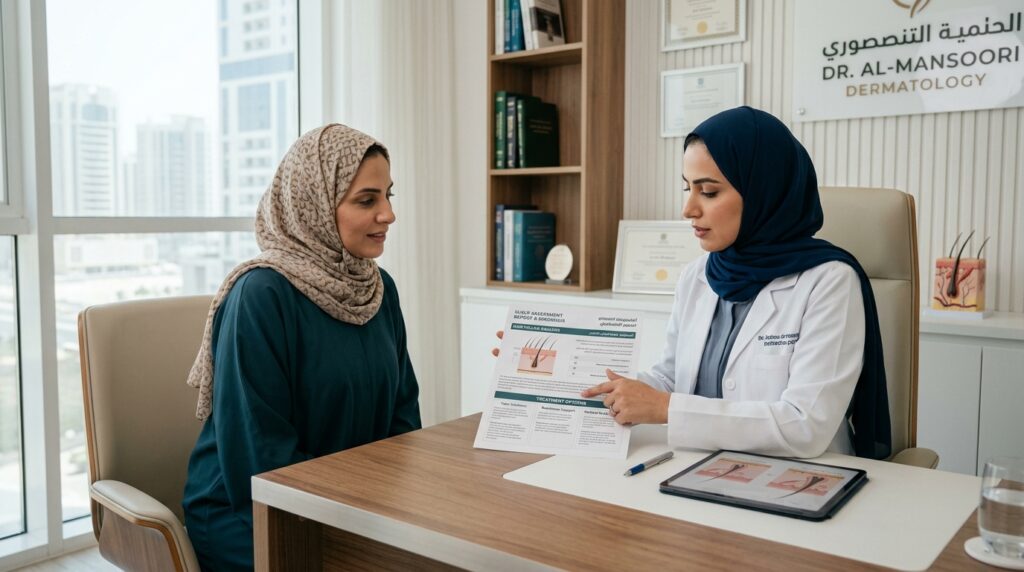
PRP for hair loss UAE searches have exploded in recent years, but so has the marketing surrounding it. You noticed it in the shower drain first, then on your pillow, and finally in your hairbrush. You told yourself it was seasonal, or stress, or the desalinated water here in the Emirates. It has been eight months and the shedding is still happening. You have tried the expensive thickening shampoo from the pharmacy, the biotin capsules your friend recommended, and the scalp serum you saw on Instagram. Despite all of it, your hair looks visibly thinner at the crown and at the temples than it did two years ago. You want to know honestly: does PRP actually work, or is it another treatment that sounds more promising than it is? Platelet-Rich Plasma therapy is one of the most searched aesthetic treatments in the region and also one of the most overpromised. This guide gives you what the marketing does not: a clear, evidence-based answer to whether PRP is appropriate for your specific type of hair loss, what realistic results look like, and exactly what to expect at Erum Saba Medical Center in Sharjah. Understanding Your Hair Loss First: Type Matters PRP does not work for every type of hair loss. The specific cause of your shedding determines whether PRP is an appropriate treatment, a complementary tool, or not indicated at all. Treating hair loss without first identifying the underlying clinical cause is one of the most common and most costly mistakes women make. Androgenetic Alopecia (Female Pattern Hair Loss) Gradual thinning at the crown and widening of the centre part line, caused by genetic sensitivity of hair follicles to dihydrotestosterone (DHT). This is the most common type of permanent hair loss in women and the condition with the strongest clinical evidence base for PRP therapy. Because the follicles are miniaturising but not yet lost, they remain responsive to growth factor stimulation. Telogen Effluvium (Diffuse Shedding) A sudden or gradual increase in overall shedding triggered by a specific event: childbirth, rapid weight loss, surgery, crash dieting, thyroid dysfunction, severe stress, or nutritional deficiency. This is extremely common among women in the UAE and frequently misidentified as permanent hair loss. In many cases it resolves on its own once the underlying trigger is removed. PRP can accelerate recovery but may not be strictly necessary if the root cause is addressed. Postpartum Hair Loss A specific and very common form of telogen effluvium triggered by the sudden drop in oestrogen levels after delivery. It affects a significant proportion of our patient population in Sharjah. It is often addressed as part of a comprehensive postpartum restoration plan alongside other treatments in the yummy mummy makeover Sharjah programme. Alopecia Areata Patchy hair loss caused by an autoimmune response. PRP has emerging evidence as a supportive treatment but is not a first-line option and must be managed with expert dermatological input to control the underlying inflammation. Traction Alopecia Hair loss localised at the hairline and temples from repeated tension caused by tight hairstyles, heavy braids, extensions, or securely fastened hijab pins. This is increasingly observed in UAE communities. PRP cannot reverse traction alopecia if the follicles have been permanently scarred. Early intervention before scarring occurs is essential. Scarring Alopecias A group of inflammatory conditions that permanently destroy hair follicles and replace them with scar tissue. PRP is strictly contraindicated in active scarring alopecias. These conditions require immediate specialist dermatological management. Do not begin any cosmetic hair treatment without a confirmed diagnosis. A proper clinical diagnosis before any treatment is the absolute foundation of effective hair loss management. The team at Aesthetics and Dermatology at ESMC assesses the exact cause of hair loss at every initial consultation before recommending any procedure. What Is PRP and How Does It Work for Hair? Platelet-Rich Plasma is a concentrated biological solution produced from a small sample of your own blood, drawn at the clinic and spun in a specialised centrifuge to isolate the platelet-rich plasma layer. Platelets contain a dense supply of growth factors including platelet-derived growth factor (PDGF), vascular endothelial growth factor (VEGF), insulin-like growth factor (IGF), and transforming growth factor (TGF-beta). When this concentrated growth factor solution is injected into the scalp at the level of the hair follicles, it extends the active growth phase of the hair cycle (anagen), stimulates microcirculation to improve nutrient supply to the follicle, and slows the miniaturisation process caused by androgenetic alopecia. According to a 2024 systematic review and meta-analysis published in PMC covering 21 randomised controlled trials and 628 participants, PRP treatment significantly enhances hair density and thickness in women experiencing telogen effluvium and female pattern hair loss, with adverse effects that were generally mild and transient. What PRP cannot do is equally important. It cannot regenerate follicles permanently destroyed by scarring. It cannot reverse advanced androgenetic alopecia where follicles have already been completely lost. It is not a permanent cure and requires maintenance. Results develop gradually and are not visible for 3 to 6 months after beginning treatment. What the Clinical Evidence Actually Says What the Evidence Supports The strongest clinical evidence for PRP exists for androgenetic alopecia and chronic telogen effluvium. The 2024 PMC systematic review covering 21 RCTs and 628 women confirmed statistically significant, measurable improvements in hair density and thickness across multiple independent trials, with no notable difference in pain or discomfort between PRP and control groups. A 2021 comprehensive PMC systematic review and meta-analysis on PRP for female androgenetic alopecia covering 42 studies and 1,569 cases including 776 female participants found that PRP showed positive efficacy in treating female pattern hair loss in hair density compared to control groups. For patients with a negative response to topical minoxidil, PRP offered an effective alternative treatment option. A 2024 meta-analysis comparing PRP versus topical minoxidil across 9 RCTs and 451 participants found no significant difference in hair density outcomes between the two treatments, meaning PRP is clinically comparable to minoxidil for androgenetic alopecia in terms of measurable outcomes.
Bleeding Gums in Pregnancy Sharjah: Why It Happens and What You Must Do About It

Bleeding gums in pregnancy Sharjah mothers experience is one of those changes that sits quietly in the background of an already overwhelming first trimester. You noticed it this morning. A pink tinge in the sink after brushing. Your gums look a little puffy, a little redder than usual. You mentioned it to your mother-in-law and she said it was perfectly normal in pregnancy and not to worry about it. You have had it in the back of your mind since. Normal or not, something has changed in your mouth and you want to know whether you are supposed to do something about it. The answer is yes. Bleeding gums in pregnancy are genuinely very common, but common does not mean harmless. The hormonal changes of pregnancy create a specific oral environment that can escalate from manageable gum inflammation to a condition with documented links to premature birth and low birth weight if it is left untreated. Here is what you need to know, trimester by trimester, and exactly what to do about it. Why Pregnancy Causes Bleeding Gums During pregnancy, oestrogen and progesterone levels rise dramatically. According to clinical research published in PMC on pregnancy gingivitis prevalence, the hormonal changes of pregnancy directly increase the inflammatory response of gum tissue to dental plaque. Progesterone in particular causes the same level of plaque that would cause minimal reaction before pregnancy to now trigger significant gum inflammation, redness, and bleeding. This condition has a specific clinical name: pregnancy gingivitis. According to a systematic review and meta-analysis published in PMC, gestational gingivitis affects between 36 and 100 percent of pregnant women globally, with the condition being amplified by elevated progesterone levels that alter the subgingival microflora and inflammatory mediator production. Progesterone levels peak in the second trimester, which is why many women notice a worsening of gum symptoms between weeks 14 and 28. However, symptoms can begin as early as the first trimester and persist through delivery. Pregnancy gingivitis is not caused by pregnancy hormones alone. It is caused by the interaction of those hormones with pre-existing dental plaque. A woman with excellent oral hygiene and minimal plaque before pregnancy will have a much milder reaction than a woman with moderate plaque buildup. This is clinically important because it means the condition is both preventable and manageable. The UAE morning sickness complication. In Sharjah’s community where dietary nausea can be pronounced in early pregnancy, morning sickness causes repeated exposure of teeth to stomach acid. This acid erodes enamel and inflames the gum margin over time. For women experiencing frequent vomiting in the first trimester, the combination of acid erosion and hormonal gum inflammation can be particularly severe. Why This Is Not Something to Ignore The link between periodontal disease and adverse pregnancy outcomes is one of the most well-researched areas of dental medicine. A systematic review and meta-analysis published in PMC covering 11 cohort studies found a statistically significant association between periodontal disease in pregnancy and preterm birth (relative risk 1.67) and low birth weight (relative risk 2.53). A separate PMC umbrella review confirmed that mothers with periodontal disease may have up to seven times the risk of delivering preterm or low birth weight babies compared to those with a healthy periodontium. How this happens: Periodontopathogenic bacteria from inflamed gums can enter the bloodstream and reach the fetoplacental unit directly. Inflammatory mediators including prostaglandin E2, interleukins, and TNF-alpha produced in the subgingival inflammation zone can trigger responses that mimic the prostaglandin cascade of labour, potentially stimulating premature contractions. The gestational diabetes connection. Periodontal inflammation can worsen insulin resistance, creating a bidirectional relationship with gestational diabetes. Women with gestational diabetes in Sharjah should have their oral health assessed as part of their overall pregnancy management. The critical distinction: Pregnancy gingivitis at the early stage is not the same as periodontal disease. Gingivitis is reversible inflammation of the gum surface. If treated promptly, it does not progress. If left untreated throughout pregnancy, it can advance to periodontitis, which involves destruction of the bone supporting the teeth and carries all of the above risks. Bleeding gums in pregnancy are not something to wait out. They are a signal that gum tissue needs professional attention. The earlier this is addressed, the simpler the treatment and the lower the risk to your pregnancy. What Pregnancy Does to the Rest of Your Mouth Pregnancy tumours (pyogenic granuloma). In some women, a localised overgrowth of gum tissue develops between teeth, usually in the second trimester. This looks alarming but is completely benign and not cancerous despite the name. It bleeds easily on contact, is caused by hormonal changes rather than infection, and typically resolves after delivery. If it causes significant discomfort or bleeding during eating, it can be safely removed during pregnancy. Increased cavity risk. Morning sickness acid, increased sugar cravings, reduced saliva production, and changes in snacking patterns all combine to increase cavity formation during pregnancy. Many women in Sharjah defer dental visits during pregnancy assuming treatment is unsafe, which allows cavities to progress unchecked throughout the full 9 months. Tooth mobility. Some women notice their teeth feel slightly looser during pregnancy. This is caused by the hormone relaxin affecting the periodontal ligament temporarily. It is usually reversible after delivery and is not a sign of impending tooth loss. Dry mouth. Pregnancy hormones can reduce saliva flow, which is the mouth’s natural defence against bacteria and acid. Reduced saliva increases the risk of both cavities and gum disease simultaneously. Is Dental Treatment Safe in Pregnancy? The short answer is yes, and this is one of the most important messages in this guide because avoidance of the dentist during pregnancy is one of the most common and most harmful patterns our team sees in Sharjah. The NHS is unequivocal that you should tell your dentist you are pregnant and continue having dental check-ups. The American College of Obstetricians and Gynecologists (ACOG) and the American Dental Association all state that routine and necessary dental treatment is safe throughout pregnancy. Dental